








What's Happening?
The Minneapolis City Council is currently deliberating the implementation of a drone first responder program. This initiative aims to enhance the city's emergency response capabilities by deploying drones to incident scenes ahead of traditional first responders.
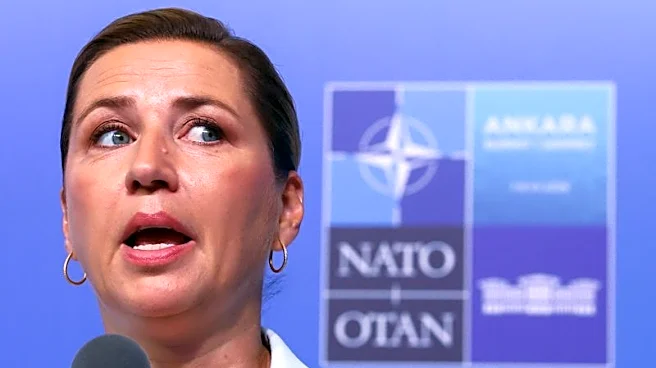
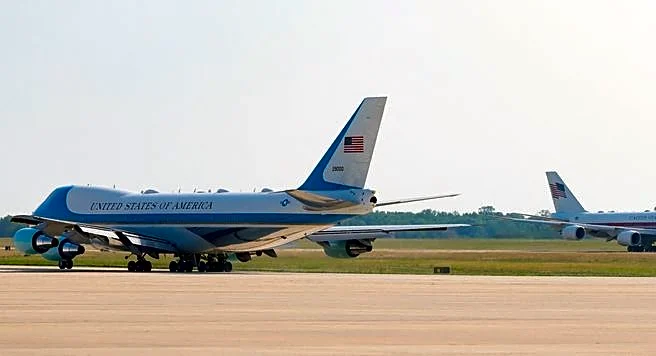
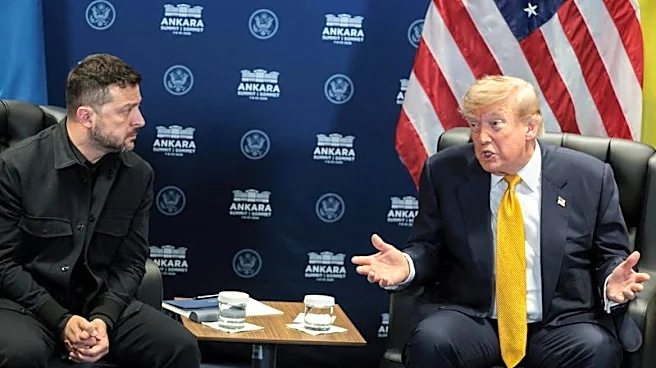
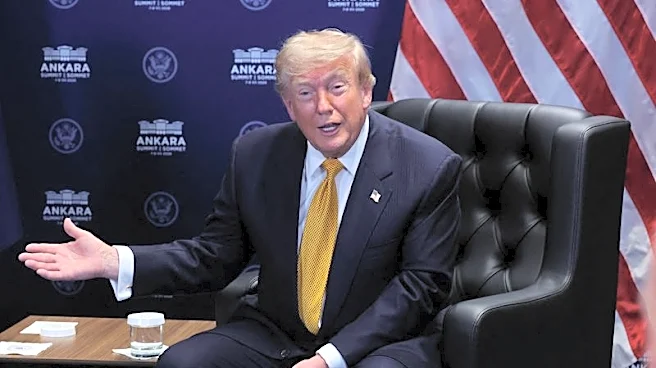
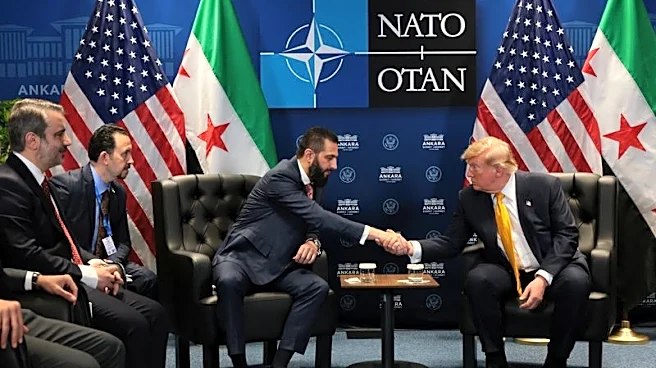
The discussion comes as President Trump returns to Washington after attending the NATO Summit in Turkey. The summit focused on various international security issues, with President Trump participating in discussions with other world leaders. The proposed drone program in Minneapolis is part of a broader effort to integrate advanced technology into public safety operations, potentially allowing for quicker assessment and response to emergencies.
Why It's Important?
The introduction of a drone first responder program in Minneapolis could significantly impact public safety and emergency response efficiency. By utilizing drones, the city aims to reduce response times and provide real-time data to emergency personnel, potentially saving lives and resources. This technological advancement reflects a growing trend in urban areas to incorporate innovative solutions for public safety challenges. Meanwhile, President Trump's participation in the NATO Summit underscores the ongoing importance of international alliances and security cooperation. His return to Washington may signal upcoming policy discussions or decisions influenced by the summit's outcomes, affecting U.S. foreign policy and defense strategies.
What's Next?
If the Minneapolis City Council approves the drone first responder program, the next steps would involve securing funding, establishing operational protocols, and training personnel. The program's implementation could serve as a model for other cities considering similar technological integrations. On the national stage, President Trump's return from the NATO Summit may lead to further discussions with Congress and defense officials regarding the U.S.'s role in international security and potential policy shifts based on summit agreements. These developments could influence future legislative actions and defense budget allocations.