




What's Happening?
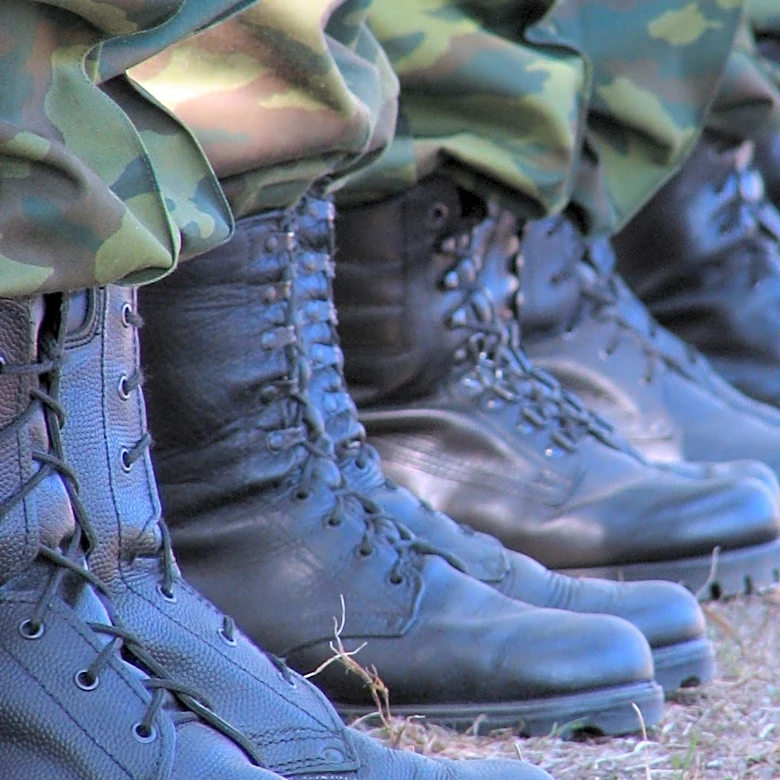
Alexander Lukashenko, the self-proclaimed president of Belarus, has announced a comprehensive readiness inspection of the country's armed forces, including mobilization. This decision follows previous inspections of tank and motorized rifle units, with
an artillery brigade currently undergoing review. Lukashenko stated that the entire army needs to be 'shaken up' and that these preparations are being conducted 'as it would be done during war.' However, he explicitly denied any intention to attack neighboring countries, describing such an action as 'suicidal.' He emphasized that Belarus is a pragmatic nation and understands it cannot win a conflict against the 'monsters' surrounding it, referring to the powerful states along its perimeter. The inspections are framed as a measure to prepare for war to prevent one, rather than to initiate hostilities.
Why It's Important?
This announcement from Belarus carries significant implications for regional stability, particularly given its proximity to ongoing conflicts and its close ties with Russia. While Lukashenko denies offensive intentions, the large-scale military inspections and the mention of mobilization could be perceived as escalatory by neighboring countries and international observers. Such actions can heighten tensions, lead to increased military posturing by other nations in the region, and potentially disrupt diplomatic efforts to de-escalate existing conflicts. For the U.S. and its allies, this development underscores the continued volatility in Eastern Europe and the need for vigilance regarding military movements and rhetoric from Belarus. It also highlights the complex geopolitical landscape where military readiness can be interpreted differently by various actors, potentially leading to miscalculations or unintended consequences.
What's Next?
Following the announced readiness inspections, observers will be closely monitoring the scale and nature of the mobilization efforts in Belarus. Neighboring countries and international bodies are likely to issue statements or take diplomatic actions in response to these military exercises. There could be increased surveillance of Belarusian borders and airspace by NATO members and other regional powers. The U.S. and its allies may consider further sanctions or diplomatic pressure on Belarus, depending on the perceived threat level and the transparency of the inspections. The rhetoric from Lukashenko will also be scrutinized for any shifts in tone or policy, as his statements often provide insight into the country's strategic alignment and intentions. The long-term implications will depend on whether these inspections are a one-off event or part of a sustained increase in Belarusian military activity.
Beyond the Headlines
Beyond the immediate military implications, Lukashenko's statements reflect a deeper geopolitical strategy aimed at projecting strength and deterring potential adversaries, while simultaneously attempting to avoid direct conflict. His acknowledgment of Belarus's inability to win against 'monsters' highlights the country's precarious position and its reliance on strategic alliances. This situation also raises questions about the internal dynamics within Belarus, including the extent of public support for such military readiness measures and the potential impact on the country's economy and social fabric. The inspections could also serve as a message to internal dissenters, reinforcing the government's control and readiness to maintain order. The interplay between internal political stability, regional security, and international relations will continue to shape Belarus's actions and the responses from the global community.