



What's Happening?
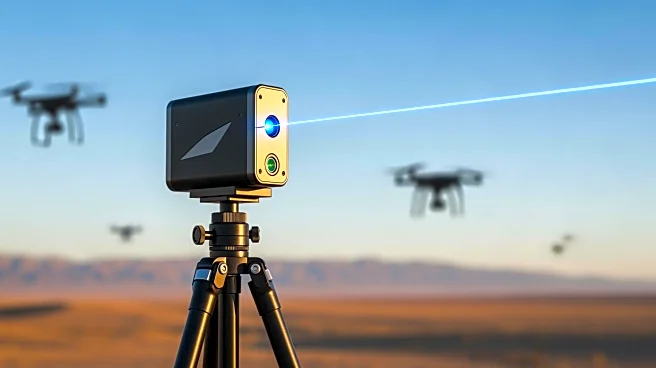
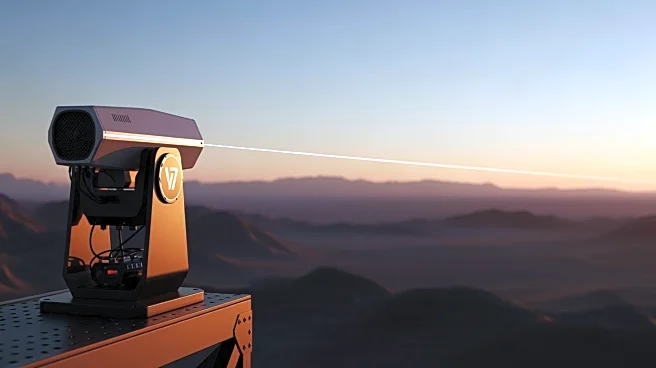
The Pentagon and the Federal Aviation Administration (FAA) have agreed to conduct anti-drone laser tests at the White Sands Missile Range in New Mexico. This decision follows two recent airspace closures in Texas, which were triggered by the military's
deployment of anti-drone lasers without prior FAA notification. The tests aim to address FAA safety concerns after a Customs and Border Protection drone was accidentally shot down by the military in February. The incident led to the FAA closing airspace over El Paso and Ft. Hancock, causing disruptions. The tests are part of efforts to improve coordination between the military and FAA to ensure public safety and address threats posed by unmanned aircraft systems.
Why It's Important?
The agreement between the Pentagon and FAA highlights the challenges of integrating military operations with civilian airspace management. The accidental shooting down of a Customs and Border Protection drone underscores the need for improved communication and coordination to prevent similar incidents. The tests in New Mexico are crucial for developing protocols that balance national security needs with airspace safety. This situation also reflects broader concerns about the increasing use of drones, both by government agencies and potentially hostile entities, and the need for effective counter-drone technologies. The outcome of these tests could influence future policies and regulations regarding drone operations in U.S. airspace.
What's Next?
The results of the anti-drone laser tests in New Mexico will likely inform future military and FAA protocols for drone operations. Lawmakers, including Sen. Tammy Duckworth, have called for independent investigations into the February incidents, which may lead to further scrutiny and potential policy changes. The military and FAA will need to continue working together to develop strategies that ensure both national security and the safety of the National Airspace System. Stakeholders, including government agencies and commercial drone operators, will be watching closely to see how these developments impact drone regulations and airspace management.