





What's Happening?
The U.S. Army has issued a market survey to assess the defense industrial base's capacity to produce and support nearly 21,000 Infantry Squad Vehicles (ISVs). This initiative focuses on two variants: the ISV-9, designed to carry nine passengers, and the ISV-Utility
(ISV-U), which accommodates five passengers and includes a utility bed for cargo. The total estimated requirement is for 20,787 vehicles, comprising 9,003 ISV-9s and 11,784 ISV-Us, contingent on funding availability and demand from the U.S. Army, other services, and potential Foreign Military Sales (FMS) customers. The Army aims to determine the most streamlined, competitive, and cost-effective procurement methods through this survey. The current ISV, manufactured by GM Defense, is based on commercial General Motors Colorado and Silverado pickups. GM Defense recently received a $697.7 million contract modification for engineering changes to the ISV-U and its winch kit, bringing the cumulative value to $915.6 million. Earlier, on October 12, GM Defense announced an expansion of ISV orders from an initial 649 to nearly 12,000 vehicles.
Why It's Important?
This large-scale procurement query signifies a significant investment in the U.S. Army's light infantry mobility capabilities, impacting the defense industrial base and potentially fostering competition among manufacturers. The substantial number of vehicles requested—nearly 21,000—suggests a long-term commitment to enhancing the operational effectiveness of infantry squads. For defense contractors, this represents a major business opportunity, prompting them to evaluate their manufacturing capabilities and cost efficiencies. The emphasis on both passenger and utility variants highlights the Army's need for versatile vehicles capable of troop transport and logistical support in diverse operational environments. The potential for Foreign Military Sales also indicates a broader strategic interest in equipping allied forces, which could further boost U.S. defense exports and strengthen international partnerships. The survey's focus on cost-effectiveness and various procurement pathways underscores the Army's intent to optimize spending while meeting critical operational requirements.
What's Next?
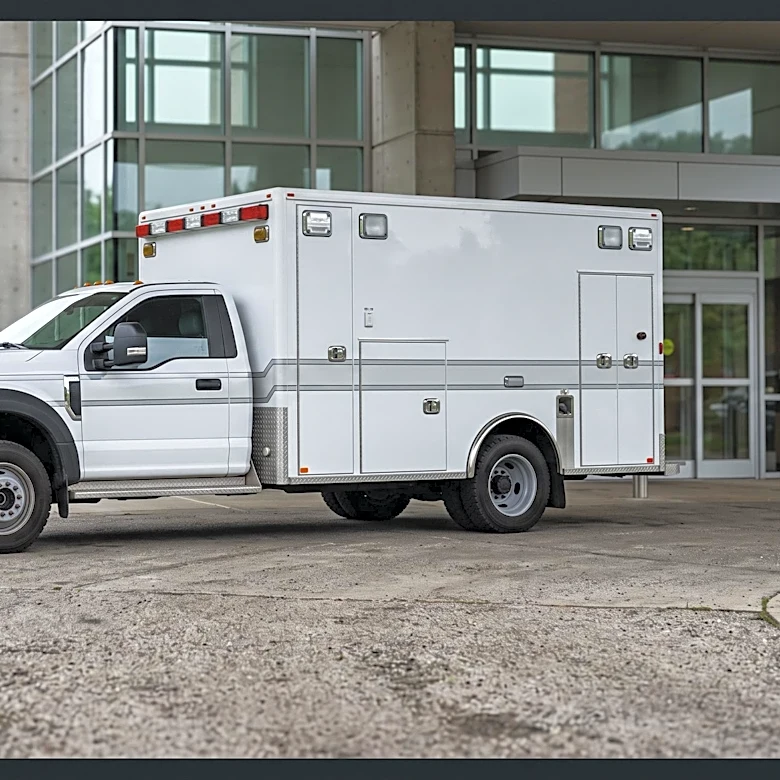
The Army's market survey requests contractors to provide manufacturing cost estimates for varying annual production volumes, ranging from 100 to over 1,500 units per year, to identify economy-of-scale thresholds. The proposed acquisition timeline is set to begin in fiscal year 2028 with an initial procurement of 106 vehicles. The plan projects annual acquisitions of approximately 2,000 to 2,100 vehicles, continuing through fiscal year 2036. The ISV-9 and ISV-U will feature specific technical requirements, including a maximum curb weight of 5,200 pounds, an operational payload of 5,000 pounds, and a gross vehicle weight rating of up to 10,200 pounds. Both versions will incorporate military modifications such as blackout lights, 24V electrical systems, run-flat tires, and the ability to ford water. The ISV-9 and ISV-U will also include full rollover protection, with the ISV-U specifically designed with a winch, a 4,000-watt inverter, and towing capacity up to 6,500 pounds, along with the capability to carry non-ambulatory patients.
Beyond the Headlines
The U.S. Army's extensive query for Infantry Squad Vehicles reflects a strategic shift towards enhancing the mobility and operational flexibility of its ground forces in complex terrains. The emphasis on light, agile vehicles capable of rapid deployment and sustained operations underscores a recognition of evolving battlefield dynamics, where traditional heavy armored vehicles may be less suitable. This move could also signal a broader trend in military procurement towards more adaptable and multi-role platforms, moving away from highly specialized equipment. The inclusion of features like rollover protection and the ability to carry non-ambulatory patients highlights a growing focus on soldier safety and medical evacuation capabilities, reflecting lessons learned from recent conflicts. Furthermore, the long-term acquisition plan extending to 2036 suggests a sustained commitment to modernizing infantry units, which could drive innovation within the defense industry and potentially lead to the development of new technologies and manufacturing processes.