




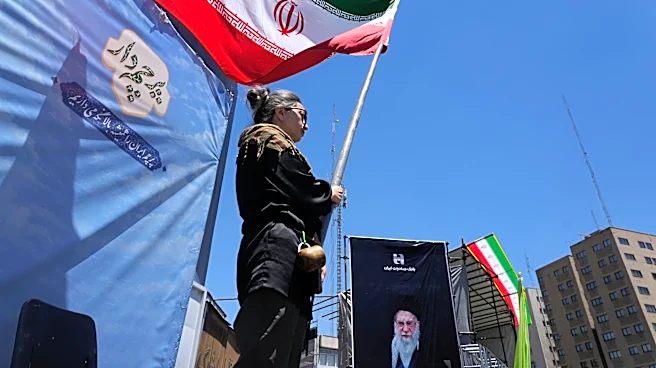


What's Happening?
Global stock markets experienced a cautious end to the week as initial optimism over a preliminary peace agreement between the US and Iran gave way to concerns about the challenges of securing a lasting deal. The Stoxx Europe 600 index saw a slight dip,
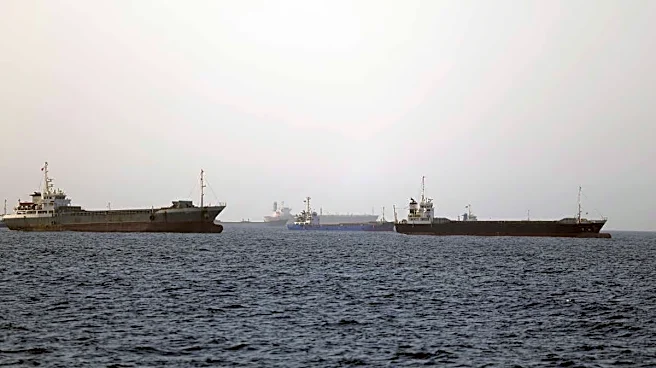
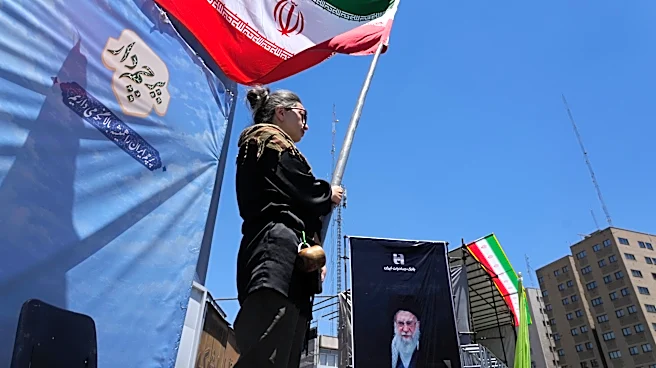
while Asian stocks also retreated from record highs. The delay in talks, originally scheduled for Friday in Switzerland, was attributed to overnight clashes between Israel and Iran-backed Hezbollah militants in Lebanon. A ceasefire has since been agreed upon, but the incident has postponed the negotiations. The talks were intended to initiate a 60-day period for negotiating a permanent agreement on Iran's nuclear activities. Meanwhile, Brent crude prices rose slightly, and traffic through the Strait of Hormuz, a critical oil passage, appeared to thin, with Iran asserting control over the waterway.
Why It's Important?
The delay in the US-Iran nuclear talks highlights the fragile nature of international diplomacy and its impact on global markets. A permanent agreement could lead to reduced geopolitical tensions and stabilize oil prices, benefiting global economic conditions. However, the postponement and ongoing regional conflicts underscore the uncertainty that investors face. The situation also affects energy markets, as the Strait of Hormuz is a vital route for global oil shipments. Any disruption could lead to significant fluctuations in oil prices, impacting industries reliant on energy. Additionally, the developments could influence US foreign policy and its relations with Middle Eastern countries, potentially affecting international alliances and economic partnerships.
What's Next?
The next steps involve rescheduling the US-Iran talks and monitoring the ceasefire between Israel and Hezbollah. Stakeholders will be watching for any further escalations in the region that could derail the peace process. Investors and market analysts will also be keenly observing the impact on oil prices and stock market trends. The outcome of these talks could have significant implications for global economic stability and energy markets. Additionally, political leaders may need to engage in further diplomatic efforts to ensure a lasting resolution, which could involve broader international cooperation.