




What's Happening?
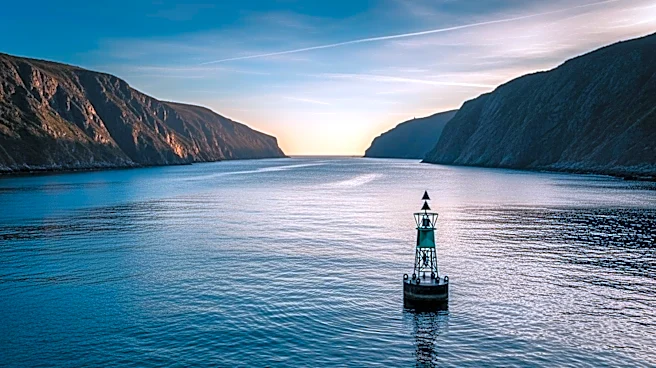
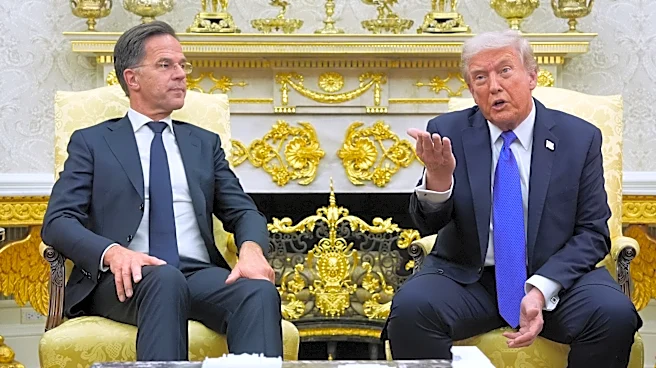
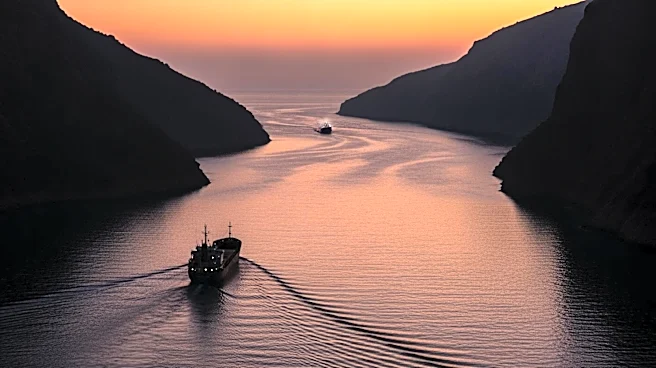
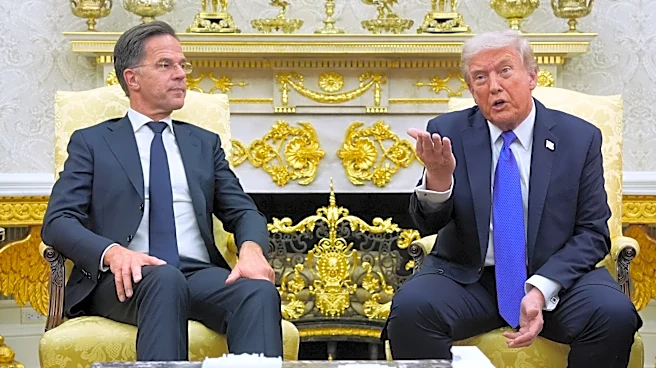
President Donald Trump has proposed a joint venture with Iran to establish tolls on the Strait of Hormuz, a strategic waterway recently reopened under a ceasefire. This idea has been met with criticism, notably from retired U.S. Navy Admiral James Stavridis,
who mocked the plan as the 'Aya Toll Booth.' Stavridis highlighted the geopolitical and legal issues of leaving Iran in control of the strait, which is crucial for global oil transport. The White House has since clarified that no official plans are in place, emphasizing the priority of reopening the strait without tolls.
Why It's Important?
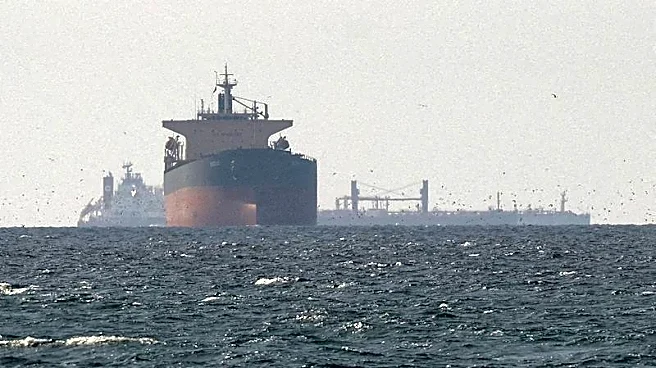
The Strait of Hormuz is a vital passage for global oil shipments, and any tolls could significantly impact international trade and energy prices. President Trump's proposal, if implemented, could alter the dynamics of U.S.-Iran relations and affect global shipping routes. The criticism from military and political figures underscores the potential risks and legal challenges of such a venture. The situation highlights the complexities of international maritime law and the strategic importance of the strait in global geopolitics.
What's Next?
The White House has distanced itself from the proposal, indicating that reopening the strait without tolls is the immediate priority. Future negotiations may focus on ensuring free passage and addressing broader geopolitical tensions. Stakeholders, including shipping companies and oil producers, will likely monitor developments closely, as any changes could affect their operations and costs.