






What's Happening?
While Continuous Positive Airway Pressure (CPAP) therapy remains the most effective treatment for obstructive sleep apnea (OSA), complementary approaches and tools are available to enhance its effectiveness and patient comfort. Chin straps, for instance,
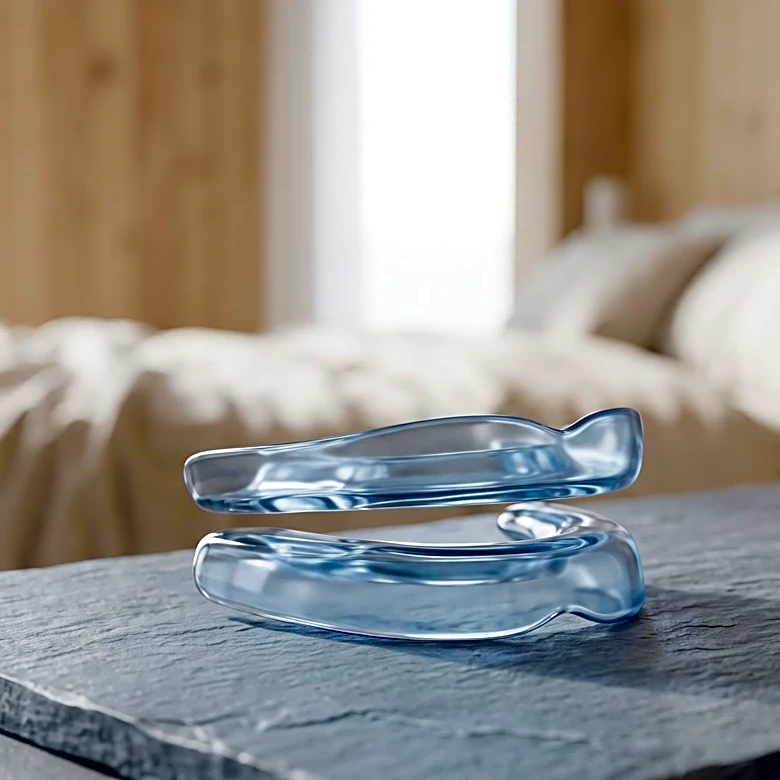
are not recommended as a standalone treatment for OSA but can be used in conjunction with CPAP therapy. They help keep the mouth closed during sleep, which can reduce air leaks from nasal CPAP masks, improve mask fit, and alleviate dry mouth symptoms. Other complementary options include oral appliances, which can help reduce the severity of OSA symptoms, and positional therapy, such as sleeping with the head elevated. Lifestyle changes like weight loss and reducing alcohol consumption also contribute to managing OSA. It is crucial for individuals to consult their doctor before incorporating chin straps or other accessories into their OSA treatment plan.
Why It's Important?
The integration of complementary therapies like chin straps and oral appliances with CPAP addresses a significant challenge in OSA treatment: patient adherence. Many individuals struggle with the discomfort or inconvenience of CPAP masks, leading to inconsistent use and suboptimal health outcomes. By improving mask fit, reducing leaks, and enhancing overall comfort, chin straps can make CPAP therapy more tolerable and effective for some users. This can lead to better compliance, ensuring that patients receive the full benefits of their prescribed treatment. Furthermore, the emphasis on lifestyle changes and other non-CPAP options highlights a holistic approach to OSA management, recognizing that a combination of strategies may be necessary to achieve optimal results and improve the quality of life for those affected by sleep apnea.
What's Next?
Individuals considering using a chin strap or other complementary devices with their CPAP therapy should first discuss these options with their doctor or CPAP equipment provider. This consultation will help determine if such additions are appropriate for their specific condition and can ensure proper fitting and usage. More research is needed to fully understand the effectiveness of chin straps as an adjunct to CPAP, but current findings suggest potential benefits for certain users. Ongoing monitoring and adjustments to the overall treatment plan, including CPAP settings, accessory use, and lifestyle modifications, will be essential to optimize outcomes and address any emerging issues. The goal is to create a personalized and sustainable treatment regimen that maximizes comfort and therapeutic efficacy.
Beyond the Headlines
The discussion around chin straps and other CPAP accessories points to a broader trend in healthcare: the continuous effort to refine existing treatments and improve patient experience. For chronic conditions like OSA, where long-term adherence is critical, even small improvements in comfort or convenience can have a profound impact on public health. This also underscores the importance of patient feedback in driving medical innovation; user experiences with CPAP discomfort have directly led to the exploration and development of supplementary tools. As technology advances, we can expect more personalized and integrated solutions that combine the efficacy of established treatments with enhanced user comfort, ultimately leading to better management of chronic diseases and a higher quality of life for patients.