
What's Happening?
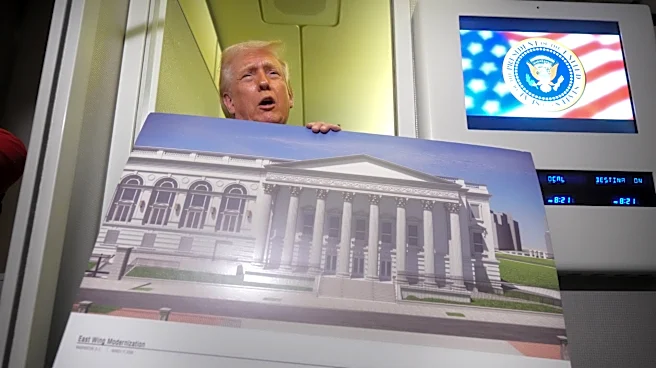
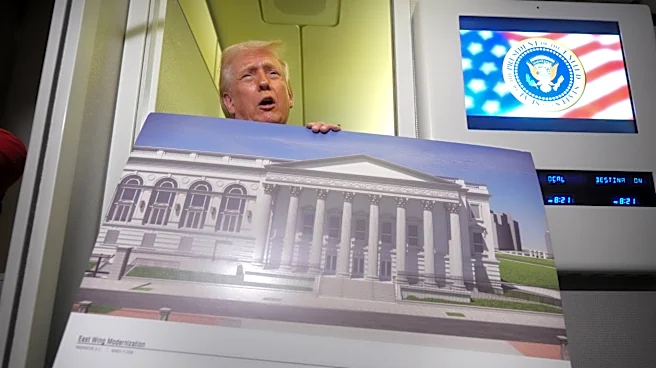
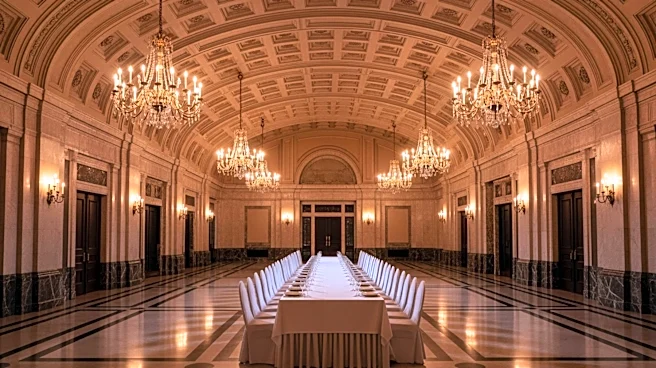
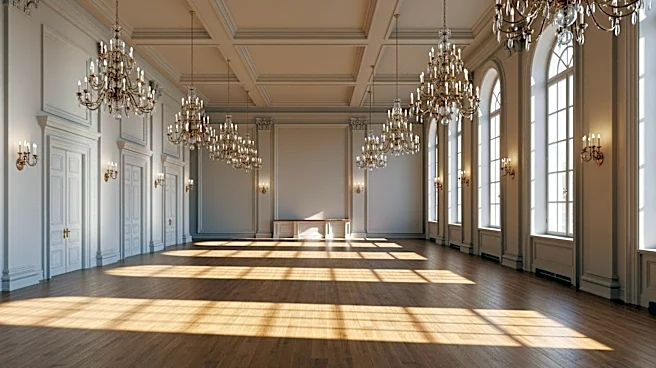
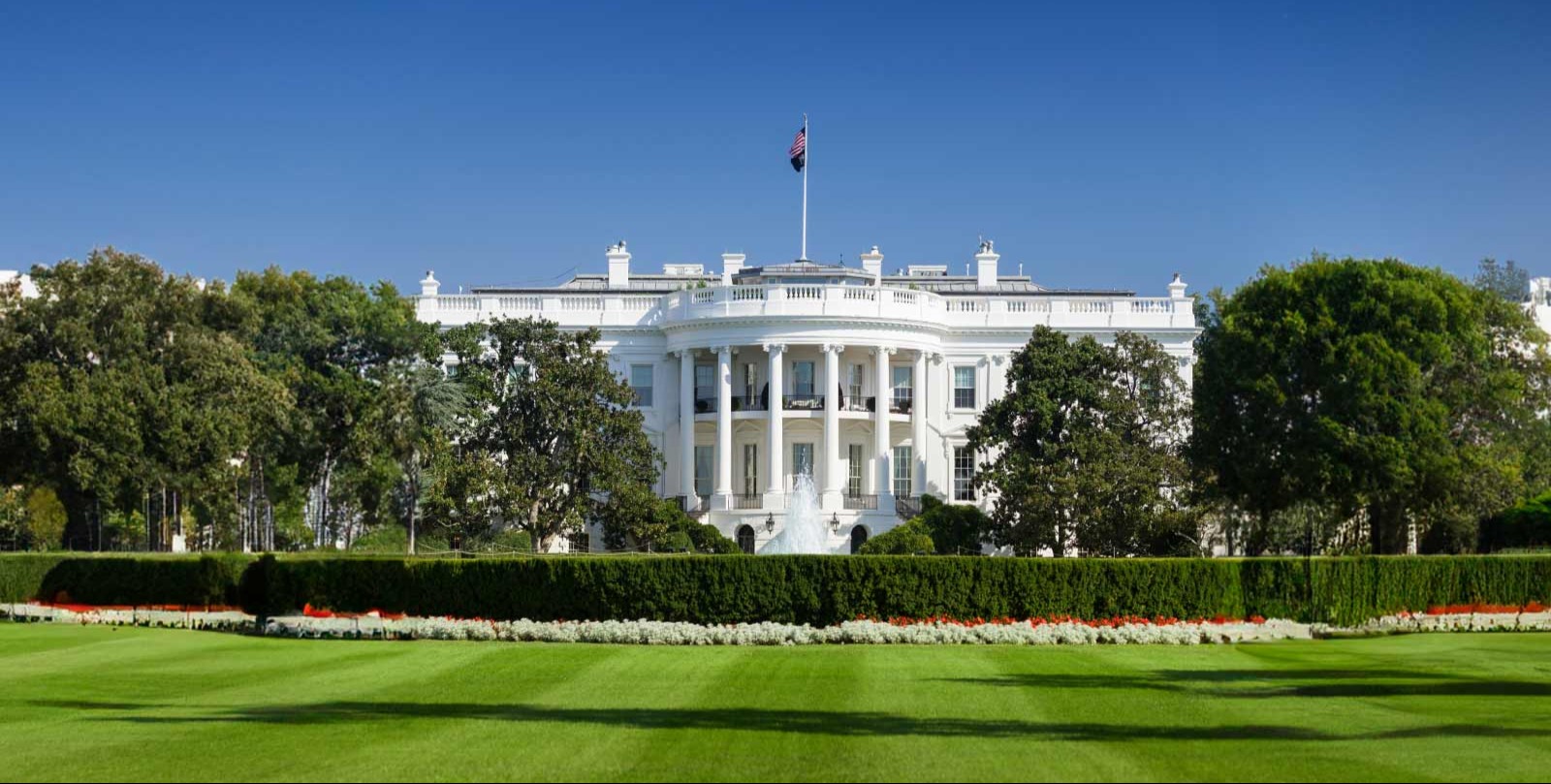
The National Capital Planning Commission is set to vote on President Trump's proposed White House ballroom project, which has faced legal challenges. The project involves constructing a $400 million, 90,000 square foot ballroom as part of a broader initiative
to reshape Washington's monumental core. This includes plans for a 250-foot arch and renovations to the Kennedy Center. The project has been halted by a federal judge's ruling, which requires congressional approval before proceeding. The National Trust for Historic Preservation filed a lawsuit, claiming President Trump exceeded his authority by demolishing the historic East Wing to make way for the new construction. The Justice Department has appealed the ruling, and the commission, chaired by Trump's former lawyer Will Scharf, will deliberate and vote on the project.
Why It's Important?
The outcome of this vote could have significant implications for the preservation of historic sites and the balance of power between the executive branch and Congress. If approved, the project would symbolize President Trump's influence on Washington's architectural landscape. However, it raises concerns about executive overreach and the preservation of historic landmarks. The decision could set a precedent for future presidential projects and their oversight. Stakeholders, including preservationists and political leaders, are closely watching the developments, as they could impact public policy regarding historic preservation and executive authority.
What's Next?
If the National Capital Planning Commission approves the project, it may still face further legal challenges and require congressional approval. The Justice Department's appeal of the federal judge's ruling will also play a crucial role in determining the project's future. Political leaders and preservation groups may continue to oppose the project, potentially leading to prolonged legal battles. The decision could influence future discussions on the preservation of historic sites and the extent of presidential authority in altering national landmarks.