





What's Happening?
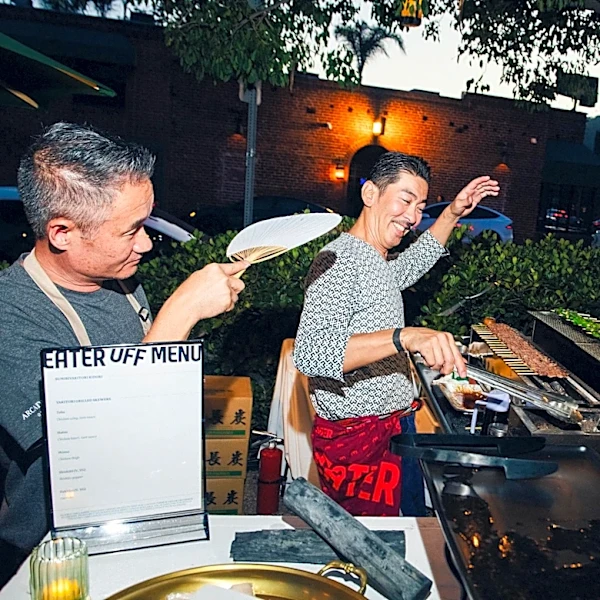
The Iowa State Fair recently featured a 'Farm to Fair — America’s Picnic' event, a three-course dinner prepared by three Iowa chefs using locally sourced ingredients and served by Iowa FFA students. Chef Andrea Love of Dinner Delights presented a breakfast
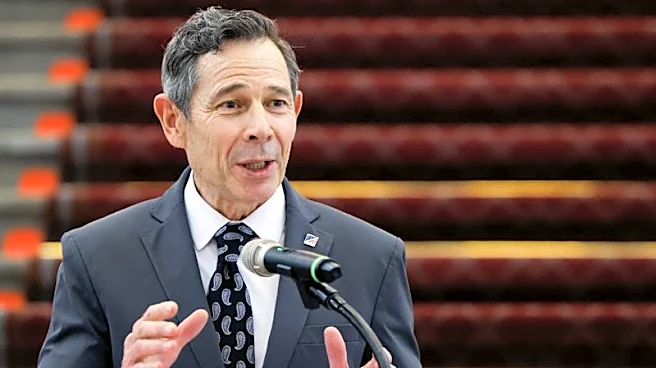
pot pie with Iowa-made flour and tomato jam. Chef Grant Gillion, winner of MasterChef: United Tastes of America Season 13, offered a chilled fire-roasted sweet corn bisque with smoked beef, requiring 25 dozen ears of corn. Chef Aaron Holt of Doolittle Farm contributed sous vide Iowa beef, confit whipped herbed potatoes, local harvest vegetables, peppercorn beef gravy, and pea tendrils. Dessert included raspberry ice cream from Picket Fence Creamery, and table centerpieces were local flowers from Sonshine Farms. The event was co-emceed by Iowa Secretary of Agriculture Mike Naig and promoted by Choose Iowa, the state’s official agricultural product marketing initiative, with sponsorship from major statewide agricultural industry organizations. Naig emphasized the importance of agriculture for national security and the sustainability of the republic.
Why It's Important?
This 'Farm to Fair' event underscores the significant role of local agriculture in Iowa's economy and culture, particularly in a state known for its agricultural heritage. By showcasing Iowa-grown ingredients and local culinary talent, the event promotes the farm-to-table movement, which supports local farmers and businesses. Iowa Secretary of Agriculture Mike Naig's participation highlights the political and economic importance of the agricultural sector, especially in the context of food security and national security, as he articulated during the event. The initiative by Choose Iowa and various agricultural organizations demonstrates a concerted effort to market and bolster the state's agricultural products. This focus on local sourcing can strengthen regional food systems, reduce reliance on distant supply chains, and provide economic benefits to rural communities. Furthermore, the involvement of FFA students emphasizes the educational aspect and the future generation's role in sustaining agricultural practices.
What's Next?
The continued promotion of farm-to-table initiatives like 'Farm to Fair' is likely to encourage greater consumer awareness and demand for locally sourced products in Iowa. This could lead to increased support for local farmers and agricultural businesses, potentially influencing agricultural policies to further diversify crops and strengthen local food economies. Iowa Secretary of Agriculture Mike Naig, who is in a re-election battle, will likely continue to use such platforms to advocate for the agricultural community and address issues like water quality, which requires farmer support. The event's success may inspire similar initiatives in other states, fostering a broader national movement towards local food systems. The engagement of FFA students suggests a long-term investment in agricultural education and workforce development, ensuring that future generations are equipped to contribute to the sector.
Beyond the Headlines
The 'Farm to Fair' event, while celebrating local produce, also subtly touches upon deeper societal and environmental considerations. The emphasis on local sourcing aligns with growing concerns about sustainability and the environmental impact of long-distance food transportation. By connecting consumers directly with the origins of their food, such events can foster a greater appreciation for agricultural labor and the challenges faced by farmers. The discussion around crop diversification, as implicitly suggested by the event's focus on varied ingredients, points to a potential shift in agricultural practices to enhance ecological resilience and economic stability for farmers. Moreover, the event's setting at the Iowa State Fair, a long-standing cultural institution, highlights how traditional gatherings can evolve to address contemporary issues like food security and local economic development, bridging the gap between heritage and modern agricultural challenges.