






What's Happening?
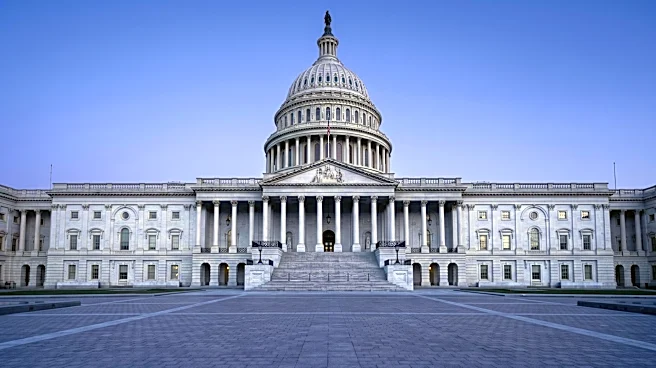
The U.S. Congress is currently reviewing several legislative measures aimed at increasing accountability and transparency across various sectors, including energy infrastructure, congressional financial dealings, judicial oversight, consumer data privacy,
and government automation. A key bill, H.R. 7257, known as the SECURE Grid Act, seeks to broaden the scope of state energy-security planning. This expansion would require states to include local distribution systems, physical attacks, weather-related threats, cybersecurity risks, and supply-chain vulnerabilities for electricity equipment in their energy plans. The legislation also mandates consultation with suppliers of generation, transmission, and distribution equipment. This initiative links expanded planning requirements to existing federal financial assistance structures, thereby incentivizing states to adopt more comprehensive resilience strategies. Other proposed bills address restricting stock trading by members of Congress and their families, establishing a judicial-branch inspector general, regulating the collection and sale of consumer car data, standardizing recycled-content claims, and increasing transparency for federal agencies using automated systems.
Why It's Important?
These legislative efforts are significant because they aim to shift various critical systems from informal practices to more formalized procedures, disclosures, and enforcement mechanisms. For the energy sector, the SECURE Grid Act is particularly impactful as it directs attention to the distribution network, which is the part of the grid closest to homes and businesses and where outages directly affect hospitals, schools, and local economies. By tying broader planning mandates to federal funding, the bill could lead to more robust and coordinated state-level efforts to protect against grid disruptions. The proposed changes in congressional stock trading and judicial oversight reflect a public concern for transparency and accountability within institutions making crucial decisions. Similarly, bills concerning consumer car data and recycled-content claims seek to empower consumers with more information and control, potentially influencing industry practices and market dynamics. The overall thrust of these measures is to enhance resilience, transparency, and public trust in both public and private systems.
What's Next?
The immediate next steps involve the legislative process within Congress. H.R. 7257, the SECURE Grid Act, will continue through committee review and potential votes in both chambers. The effectiveness of this bill, if passed, will largely depend on how states develop and implement their expanded energy-security plans, the level of technical assistance provided by the Department of Energy, and the degree of consistency achieved across different states. For other bills, such as those on congressional stock trading and judicial oversight, their progression will depend on overcoming institutional resistance and finding common ground between different procedural approaches in the House and Senate. The consumer-focused bills on car data and recycled content will likely lead to new compliance burdens for companies and require updated guidance from regulatory bodies like the FTC. The TAG Act, addressing federal automation, will necessitate new OMB guidance, public inventories, and appeals processes for agencies. The ultimate impact of these measures will hinge on whether they lead to genuinely improved governance and accountability or primarily result in increased administrative paperwork.
Beyond the Headlines
Beyond the immediate policy changes, these legislative initiatives highlight a deeper societal demand for accountability in an increasingly complex and interconnected world. The focus on infrastructure, from energy grids to digital systems, underscores a growing recognition that the reliability and security of these foundational elements are paramount to national well-being. The push for transparency in congressional finances and judicial conduct reflects a broader erosion of public trust in institutions and an attempt to restore it through stricter ethical guidelines and oversight. Furthermore, the bills addressing consumer data and automated government decisions touch upon fundamental questions of individual rights, privacy, and the ethical implications of technology. These measures signal a long-term shift towards embedding accountability and transparency as core principles in the design and operation of critical systems, potentially setting precedents for future regulations in emerging technological domains and areas of public concern.