

What's Happening?
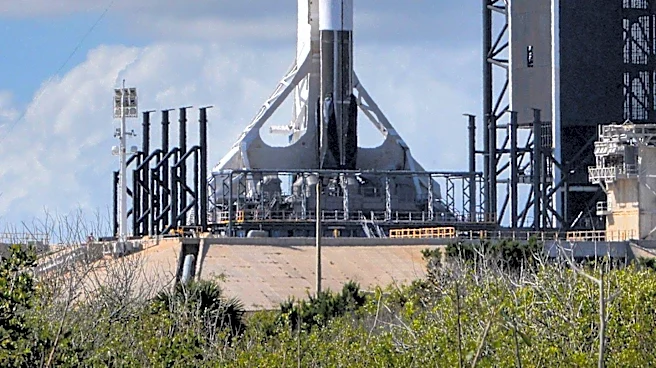
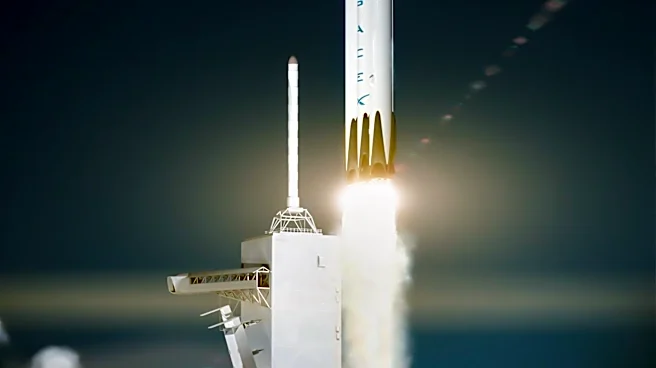
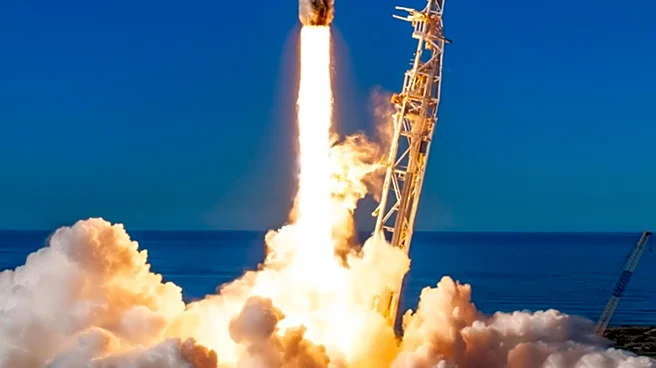
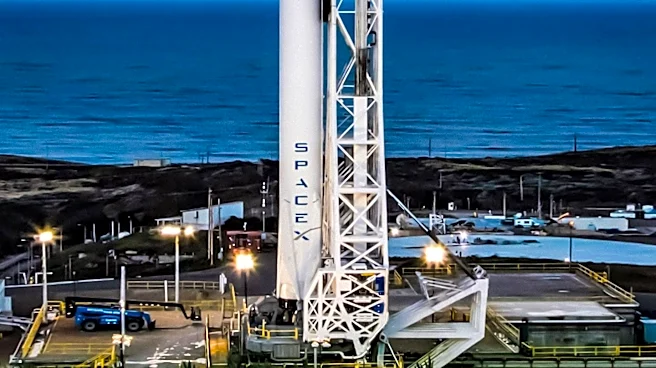
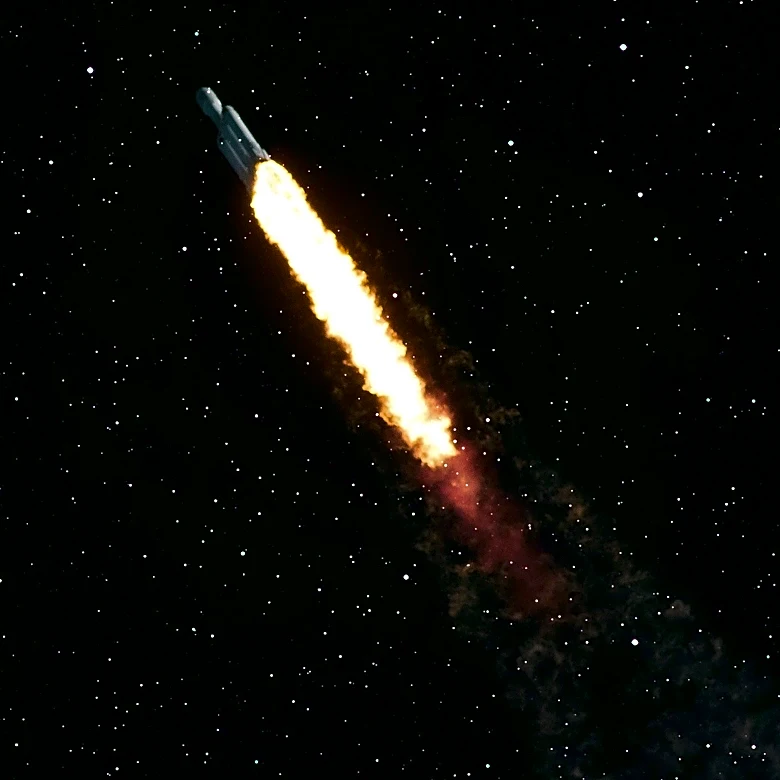
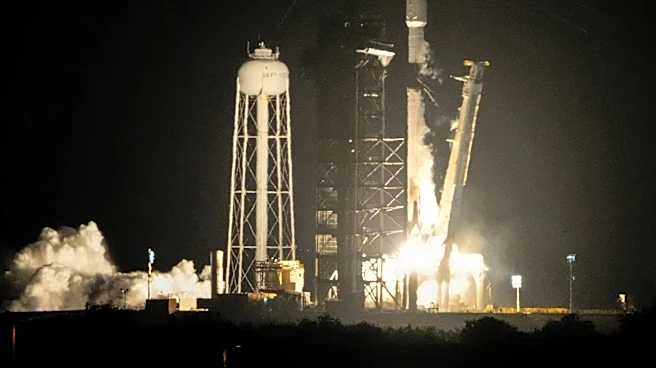
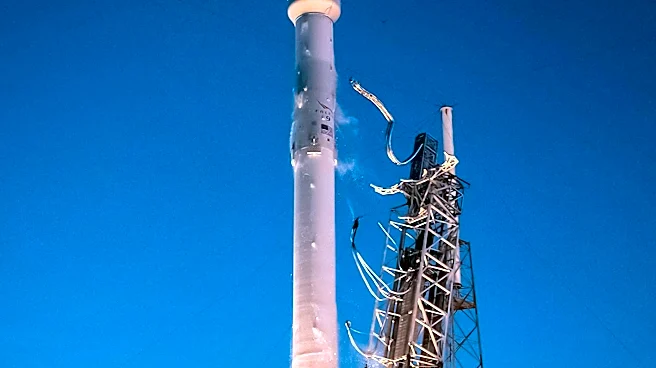
A SpaceX Falcon 9 rocket, launched in January 2025, is set to impact the moon on August 5, 2026. The rocket's second stage will collide with the moon's daylight side, an event that astronomers worldwide are preparing to observe. The impact is expected
to create a significant plume of rock and dust, with over a million kilograms of debris potentially being ejected into space. This event provides a unique opportunity for astronomers to study the effects of such impacts on the lunar surface. The best viewing opportunities will be in central and eastern Canada, the U.S., and parts of the Caribbean and South America.
Why It's Important?
This event is significant for the scientific community as it offers a rare chance to observe the impact of a human-made object on the moon. The data collected could enhance understanding of lunar geology and the potential risks posed by artificial impacts, especially as more missions to the moon are planned. The findings could inform future lunar exploration and the development of strategies to mitigate risks to astronauts and equipment on the moon.
What's Next?
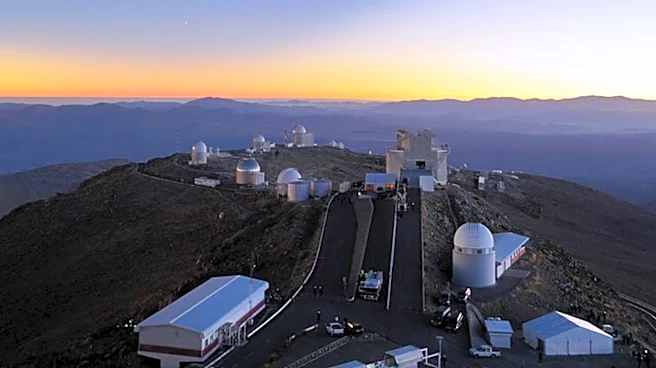
Astronomers will be closely monitoring the impact to gather data on the resulting plume and any visible flash. The observations will contribute to ongoing research on lunar impacts and their implications. The event also underscores the need for continued tracking of space debris and its potential interactions with celestial bodies.