





What's Happening?
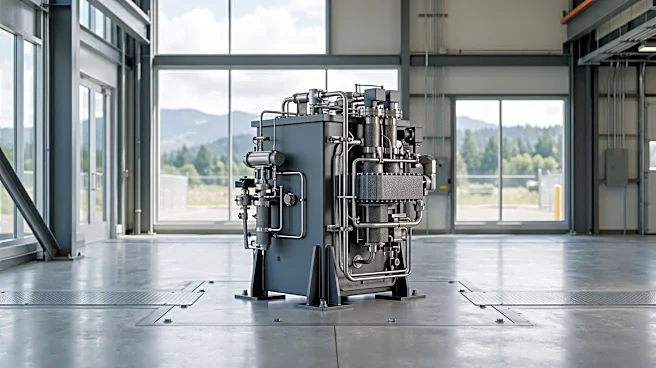
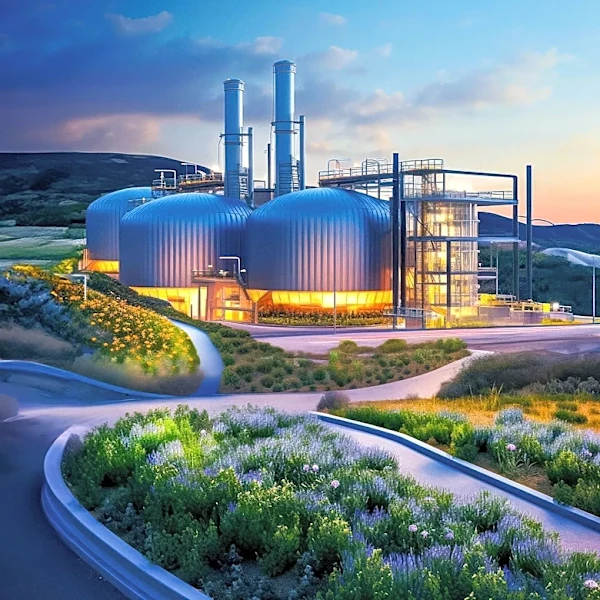
American Electric Power (AEP), Amazon, and reactor developer X-energy are conducting a feasibility study for a new nuclear power facility in Sullivan County, Indiana. The proposed project would utilize 12 small modular reactors (SMRs) of X-energy's Xe-100
design at the former coal-fired Breed Generating Station site. Each reactor is designed to generate approximately 80 megawatts of electricity, totaling a capacity of 960 megawatts for the entire facility. This capacity is comparable to a typical large American nuclear reactor, which has about 1,000 megawatts. The companies announced their agreement on October 19, with Amazon intending to be the first customer to purchase power under a long-term contract if the project proceeds. No final decision to build has been made, and the project would require regulatory approvals before operation. Sullivan County Commissioners President Bob Davis views the project as a potential source of jobs and reliable energy, while Kerwin Olson, executive director of the Citizens Action Coalition, has raised concerns regarding costs, the commercial readiness of the technology, and radioactive waste management.
Why It's Important?
This feasibility study represents a significant step in exploring advanced nuclear energy solutions to meet growing electricity demand in the U.S., particularly from sectors like data centers and manufacturing, which are expanding due to artificial intelligence. The potential development of a 960-megawatt SMR facility could provide a substantial, carbon-dioxide-free power source, aligning with goals for grid stabilization and decarbonization. For Sullivan County, the project could bring over 1,000 construction jobs and more than 100 permanent positions, along with an expanded local tax base. However, the project also highlights ongoing debates about the commercial viability and financial risks associated with SMR technology, as well as the long-term management of radioactive waste. The Citizens Action Coalition's skepticism about public subsidies and the unproven commercial operation of the Xe-100 design underscore the challenges in deploying new nuclear technologies and ensuring consumer protection.
What's Next?
The immediate next step is the completion of the feasibility study by AEP, Amazon, and X-energy. Following this, if the project is deemed viable, it would require extensive licensing, construction, and operational authorizations from regulatory bodies. The companies have not yet announced a construction schedule or an estimated start date for operations. Sullivan County is preparing for community meetings through Indiana’s Advanced Nuclear Ready Communities program to inform residents about the project's pros and cons. Key questions remain regarding the final project cost, local infrastructure requirements, and a specific plan for spent fuel management. Stakeholders, including local leaders, residents, and regulators, will be engaged as the study progresses, with ongoing discussions expected on potential local tax abatements and the financial structure of the project.
Beyond the Headlines
The proposed SMR facility in Sullivan County reflects a broader national trend towards re-evaluating nuclear power as a critical component of future energy grids, especially in the context of increasing electrification and the demands of AI. The choice of a former coal plant site for nuclear development symbolizes a potential transition from fossil fuels to advanced clean energy sources, addressing both environmental concerns and economic revitalization in coal-dependent regions. However, the project also brings to the forefront the persistent challenge of nuclear waste disposal, as there is currently no permanent solution for long-term storage in the U.S. The debate over whether such projects can proceed without public financial support also highlights the tension between private sector investment in advanced energy and the potential for public risk, raising questions about how the costs and benefits of large-scale energy infrastructure are distributed among corporations, taxpayers, and utility customers.