





What's Happening?
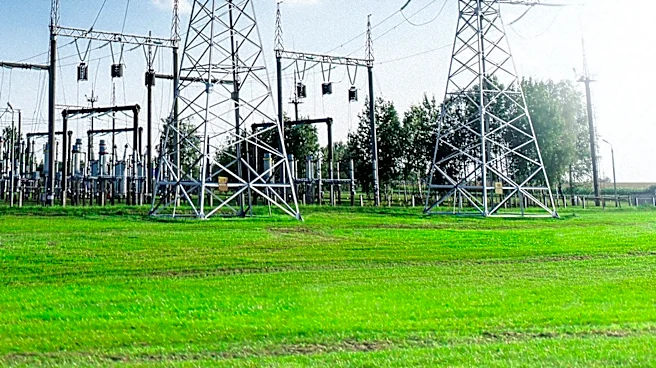
A major grid upgrade project by BGE in Baltimore, initially estimated at approximately $105 million, has seen its costs escalate dramatically to an estimated $520 million by September 2026, according to the Maryland Office of People’s Counsel. BGE had
previously reported an increase to $407.25 million. The utility paused design and engineering work on the Baltimore Peninsula project in March due to changes in the surrounding development plans, specifically after Kevin Plank’s development company stepped back from future development at the site, though Under Armour remains headquartered there. BGE attributes the higher costs to several factors, including increased labor and material costs, site constraints, engineering and design changes, routing challenges, and a compressed construction schedule. The Office of People’s Counsel has expressed concern that BGE customers could ultimately bear substantial costs if the anticipated commercial growth in the area does not materialize as expected.
Why It's Important?
The significant cost escalation of BGE's grid upgrade project in Baltimore carries substantial implications for both the utility and its 1.3 million electric customers across central Maryland. The potential for customers to absorb hundreds of millions in additional costs raises concerns about affordability and fairness, especially since electric bills are already a major household expense. This situation highlights the challenges in accurately estimating and managing large-scale infrastructure projects, particularly when external factors like development plan changes and fluctuating material/labor costs come into play. Consumer advocates argue that customers should not automatically bear the burden of decisions they did not make, emphasizing the need for regulators to carefully consider the project's purpose, spending, and changing circumstances before allocating costs. The outcome of this regulatory review will set a precedent for how future infrastructure project overruns are handled and could influence public trust in utility companies and their oversight bodies.
What's Next?
Regulators will now face the critical task of determining who should bear the increased costs of BGE's grid upgrade project. This process will involve a thorough review of the project's justification, the reasons for the cost overruns, and the impact on ratepayers. The Office of People’s Counsel will likely advocate strongly against customers absorbing the full extent of the increased costs, especially if commercial growth projections, which partly justified the initial investment, do not materialize. BGE will need to present a compelling case for the necessity of the expenditures and demonstrate prudent management despite the challenges. The decisions made by regulators will directly influence future utility bills for BGE customers for years to come. This situation may also lead to increased scrutiny of future infrastructure projects and potentially stricter oversight mechanisms to prevent similar cost escalations.
Beyond the Headlines
The soaring costs of BGE's grid upgrade project in Baltimore illuminate a deeper, systemic challenge in modern infrastructure development: the inherent unpredictability of long-term projects in dynamic economic and urban environments. Beyond the immediate financial burden on ratepayers, this situation raises ethical questions about accountability and risk allocation. Should the public, through utility rates, always absorb the financial risks associated with unforeseen project complexities and external market shifts? This case also underscores the critical role of transparent communication and robust oversight in public utility projects. The pause in design work due to changes in surrounding development plans highlights the interconnectedness of urban planning and infrastructure, suggesting a need for more integrated and adaptive planning strategies. Ultimately, this event serves as a stark reminder of the delicate balance between investing in essential infrastructure, managing costs, and protecting consumer interests in an evolving economic landscape.