





What's Happening?
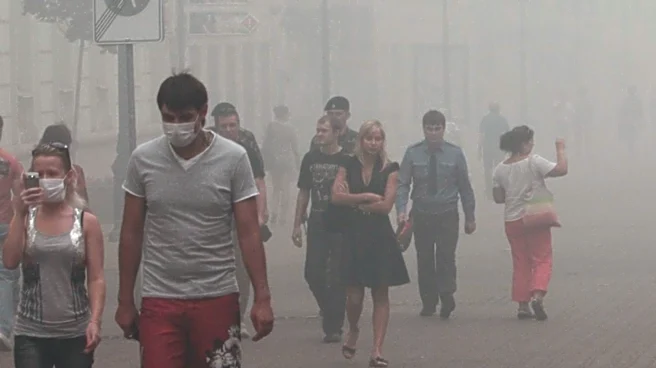
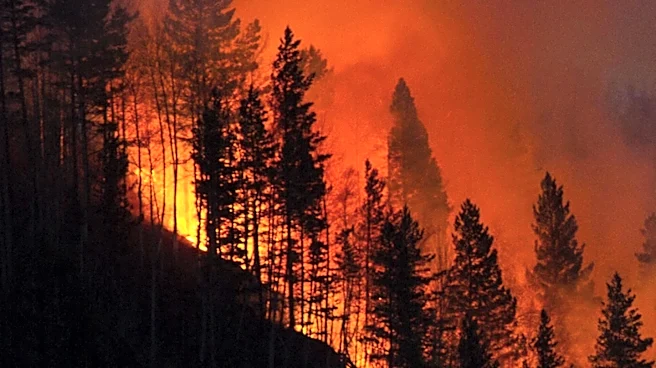
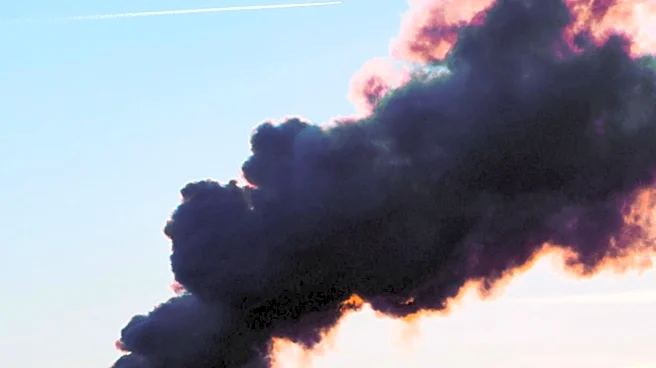
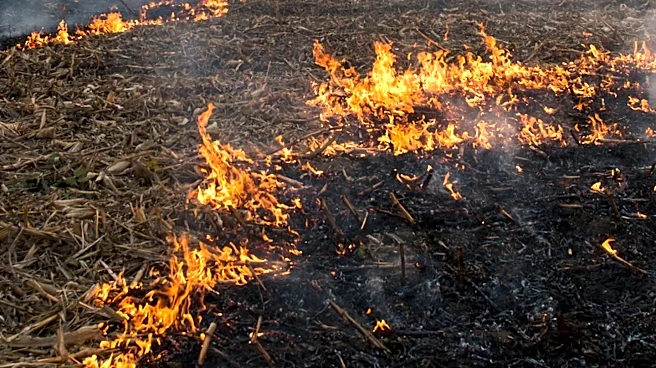
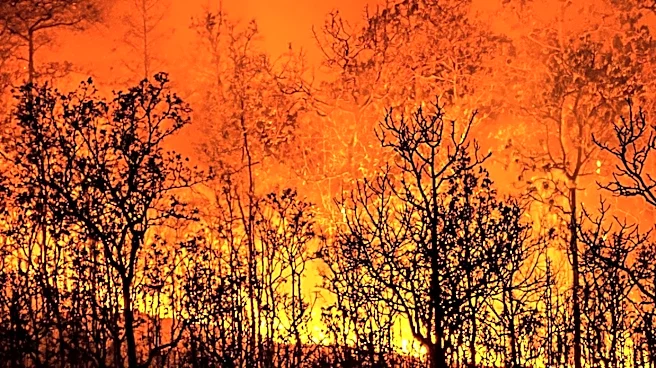
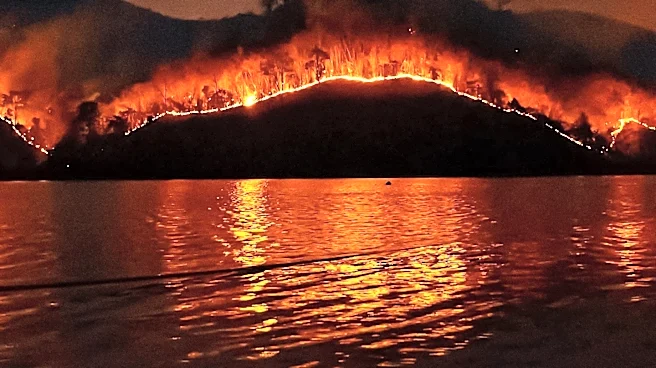
The Michigan Department of Environment, Great Lakes, and Energy (EGLE) has issued a statewide air quality alert due to hazardous levels of fine particulate matter (PM2.5) from Canadian wildfires. The U.S. Environmental Protection Agency's Air Quality
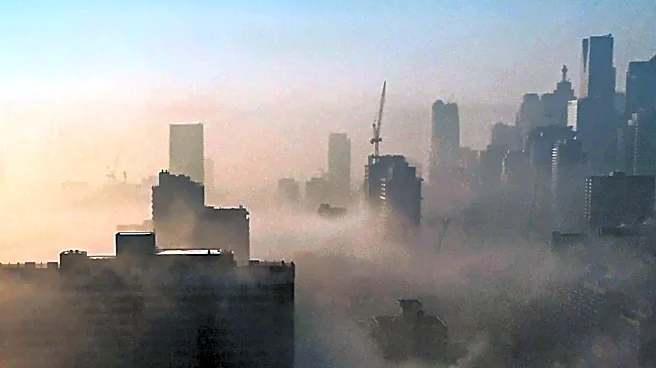
Index (AQI) has classified the air quality in Escanaba as 'hazardous,' advising residents to stay indoors and limit physical activities. The smoke has led to the postponement of several local events, including the Escanaba City Band's show and the Escanaba Public Library's Live on the Lawn. The Michigan Department of Health and Human Services (MDHHS) recommends residents monitor air quality and take protective measures, such as staying in air-conditioned environments.
Why It's Important?
The hazardous air quality poses significant health risks, particularly to vulnerable groups such as individuals with heart or lung conditions, older adults, and children. The situation underscores the broader environmental impact of wildfires, which are becoming more frequent and intense due to climate change. The economic implications are also notable, as local businesses and events face disruptions. The alert highlights the need for effective communication and preparedness in managing air quality events, emphasizing the importance of public health advisories and community resources like cooling centers.
What's Next?
Residents are encouraged to stay informed through resources like AirNow and the EnviroFlash alert system. The Michigan Department of Health and Human Services advises checking the Air Quality Index regularly and adjusting outdoor activities accordingly. State agencies continue to collaborate to provide updated information and resources to protect public health. The ongoing situation may prompt further postponements or cancellations of outdoor events, and residents are advised to remain vigilant and prioritize safety.
Beyond the Headlines
The current air quality crisis in Michigan is part of a larger pattern of environmental challenges exacerbated by climate change. The increasing frequency and severity of wildfires highlight the urgent need for comprehensive climate action and adaptation strategies. This event also raises questions about cross-border environmental impacts and the necessity for international cooperation in addressing transboundary pollution issues.