




What's Happening?
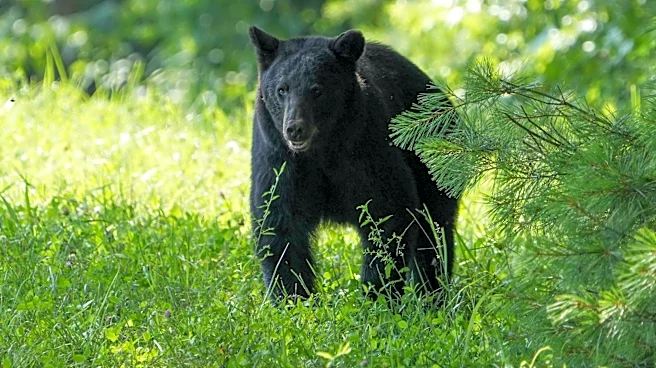
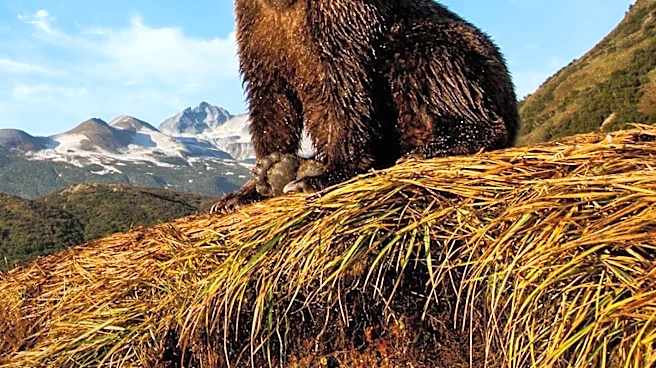
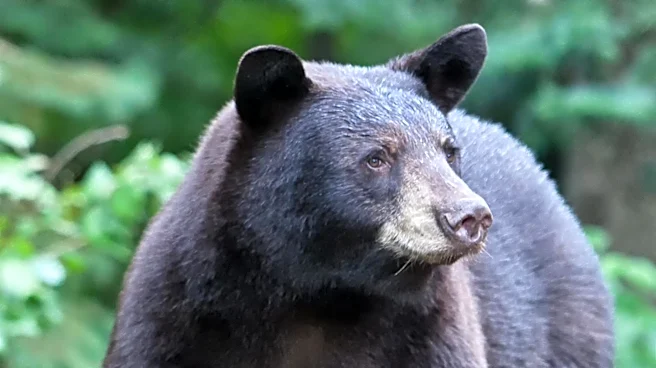
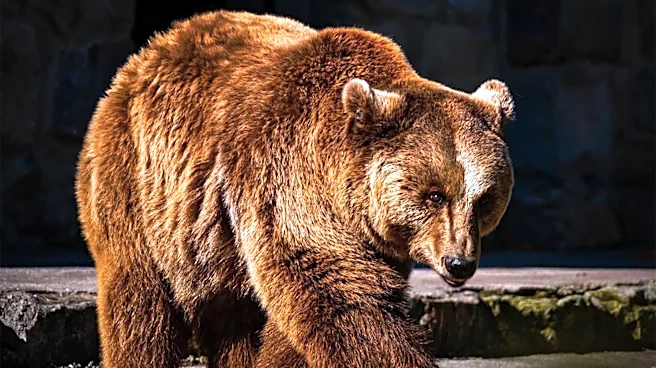
Multiple trails in Anchorage, Alaska, including Rover’s Run Trail and Salmon Run Trail at Far North Bicentennial Park and the Campbell Tract, have been temporarily closed due to heightened brown bear activity. This decision was made by the Anchorage Parks
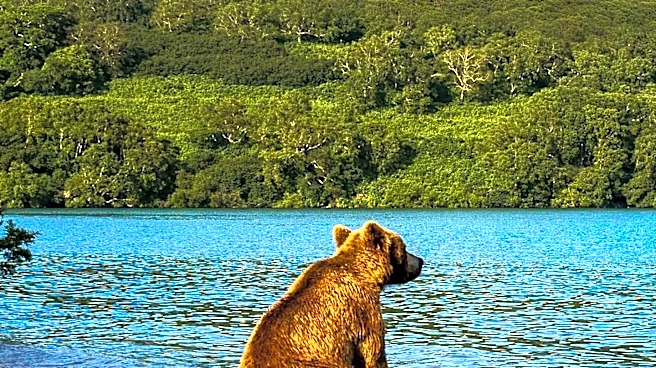
and Recreation Department in conjunction with the federal Bureau of Land Management and the Alaska Department of Fish and Game. The closures come after a brown bear attacked and injured an Alaska athlete on the nearby Wolverine Bowl trail last week. Officials stated that the closures provide space for bears to forage in areas where they naturally congregate seasonally. Additionally, the Albert Loop Trail in Eagle River was closed earlier this month as bears returned to feed on spawning salmon, a seasonal closure that typically lasts until freezing conditions prompt hibernation. The current closures are expected to remain in effect until further notice, with authorities urging the public to respect these restrictions and exercise caution.
Why It's Important?
The temporary closure of popular trails in Anchorage due to bear activity highlights the ongoing challenges of human-wildlife coexistence in areas bordering wilderness. For local residents and tourists, these closures disrupt recreational activities such as trail running and hiking, impacting outdoor enthusiasts and potentially local businesses that cater to them. The incident involving an athlete underscores the potential dangers and the necessity of such preventative measures to ensure public safety. From an ecological perspective, these closures are crucial for allowing bears to forage undisturbed, particularly during periods when they are bulking up for hibernation. This management strategy aims to reduce human-bear conflicts, which can often lead to negative outcomes for both humans and wildlife, including the potential for bears to be euthanized if they become habituated or aggressive towards people.
What's Next?
The trails in Anchorage will remain closed until further notice, with authorities continuously monitoring bear activity in the affected areas. The Anchorage Parks and Recreation Department, along with the Bureau of Land Management and the Alaska Department of Fish and Game, will assess when it is safe to reopen the trails to the public. This will likely depend on a decrease in bear sightings and incidents, as well as the natural progression of the bears' seasonal foraging and hibernation patterns. Public awareness campaigns will continue to emphasize the importance of respecting closures and practicing bear safety, including carrying bear spray and making noise on trails. Future actions may include increased patrols in affected areas and educational initiatives to inform the public about living safely in bear country.
Beyond the Headlines
The recurring issue of bear activity leading to trail closures in Alaska points to broader implications regarding urban expansion into natural habitats and the increasing interface between human populations and wildlife. As more people seek outdoor recreation, the potential for encounters with large predators like bears rises, necessitating adaptive management strategies. This situation also highlights the delicate balance between conservation efforts and public access to natural spaces. The seasonal nature of some closures, tied to events like salmon spawning, illustrates the ecological rhythms that dictate wildlife behavior and, consequently, human land use. These events serve as a reminder of the need for comprehensive land-use planning that considers wildlife corridors and natural foraging areas to minimize conflict and ensure the long-term health of both ecosystems and communities.