




What's Happening?
The El Niño weather phenomenon is expected to become one of the most intense in recent decades, according to scientists. The current El Niño is predicted to have significant impacts on global weather patterns, with the potential to set new temperature
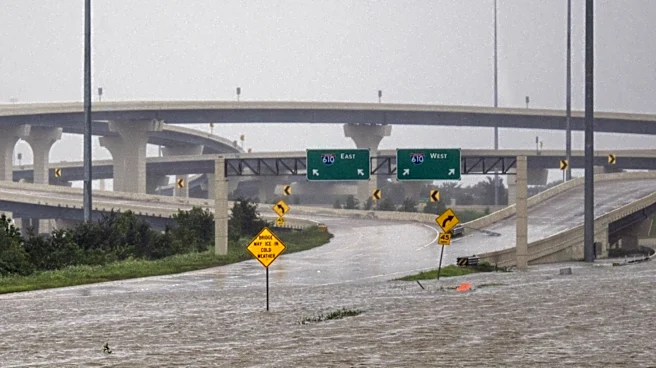
records. The phenomenon, characterized by the warming of sea surface temperatures in the Pacific Ocean, is expected to influence weather conditions across Latin America, including increased rainfall in some regions and severe droughts in others. The United States' National Oceanic and Atmospheric Administration (NOAA) has indicated an 81% probability of a very strong El Niño occurring from October to December. This event could lead to extreme weather conditions, such as intense heatwaves and heavy rainfall, affecting agriculture and energy production in various countries.
Why It's Important?
The intensification of the El Niño phenomenon has significant implications for global weather patterns and economic activities. In the United States, the potential for extreme weather events could impact agriculture, energy production, and infrastructure. The agricultural sector may face challenges due to altered rainfall patterns, affecting crop yields and food supply. Energy production, particularly hydropower, could be disrupted by changes in water availability. Additionally, the increased likelihood of extreme weather events poses risks to infrastructure, necessitating preparedness and adaptation measures. The broader impact on global markets and supply chains could also affect the U.S. economy, highlighting the need for coordinated international efforts to mitigate the effects of such climate phenomena.
What's Next?
Governments and organizations are expected to implement contingency plans to address the potential impacts of the El Niño phenomenon. In the United States, this may involve enhancing weather monitoring systems, improving infrastructure resilience, and supporting affected industries. Internationally, countries in Latin America are likely to take measures to mitigate the effects on agriculture and energy production. The scientific community will continue to monitor the development of El Niño and provide updates on its potential impacts. Collaboration between nations will be crucial in addressing the challenges posed by this climate event and ensuring the safety and well-being of affected populations.