







What's Happening?
New research published in the Journal of the American Geriatrics Society indicates that older adults in North Carolina who rely on electricity-dependent medical devices, such as ventilators, respirators, and dialysis machines, face significant health
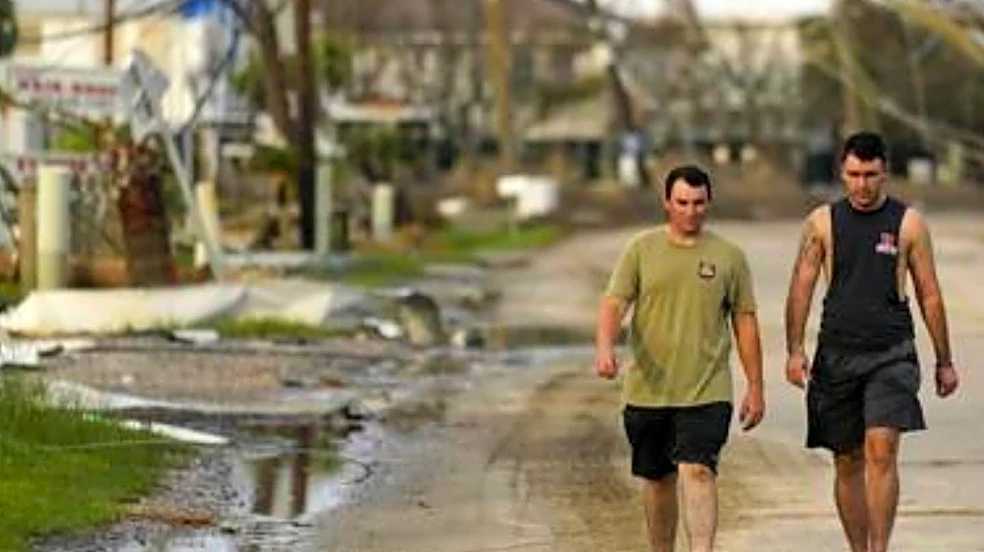
risks during and after hurricanes. The study evaluated the immediate and sustained effects over one year following Hurricanes Matthew (2016) and Florence (2018) on hospitalizations and deaths among Medicare beneficiaries aged 65 and older using such equipment. While no significant immediate changes were observed following either hurricane based on Federal Emergency Management Agency (FEMA) presidential disaster declarations, sustained increases in hospitalizations and deaths were noted for a year after Hurricane Matthew. More detailed analyses using the North Carolina Flood Extent Archive showed stronger and more consistent links between hurricane exposure and adverse health outcomes, with Black individuals experiencing worse short- and long-term outcomes as flooding severity increased. Jennifer L. Lund, Ph.D., of the UNC Gillings School of Global Public Health, highlighted that this work establishes a foundation for studying how hurricanes and floods impact medically vulnerable populations and for collaborating with community organizations and agencies to enhance disaster preparedness.
Why It's Important?
This research is crucial because it highlights a specific and vulnerable population segment—older adults dependent on electricity-powered medical devices—whose health is disproportionately affected by natural disasters like hurricanes. The findings underscore the need for more targeted disaster preparedness and response strategies that account for the unique challenges faced by these individuals, particularly in areas prone to severe flooding. The observed disparities in outcomes for Black individuals as flooding severity increased also point to existing inequities in disaster resilience and recovery, suggesting that current preparedness measures may not adequately protect all communities. Understanding these long-term health impacts can inform public health policies, emergency management protocols, and resource allocation to better safeguard vulnerable populations, potentially reducing hospitalizations and fatalities in the aftermath of future hurricanes. The study's emphasis on sustained effects beyond the immediate disaster period also calls for extended support systems and monitoring for these at-risk groups.
What's Next?
The findings from this research are expected to inform and strengthen disaster preparedness and planning efforts by community organizations and local and state agencies in North Carolina and potentially other hurricane-prone regions. The study's authors, including Jennifer L. Lund, Ph.D., aim to use this work as a foundation for broader studies on how hurricanes and floods affect medically vulnerable populations. This could lead to the development of more specific guidelines and resources for older adults using electricity-dependent medical devices, such as pre-storm evacuation plans, backup power solutions, and enhanced post-disaster medical support. Furthermore, the identified disparities in outcomes for Black individuals may prompt a closer examination of equitable disaster response and recovery strategies, potentially leading to initiatives aimed at addressing systemic vulnerabilities in affected communities. Future efforts will likely focus on integrating these research insights into practical, actionable plans to mitigate health risks during and after severe weather events.
Beyond the Headlines
Beyond the immediate health implications, this research sheds light on the broader societal challenges posed by climate change and extreme weather events, particularly for an aging population. The reliance on electricity for essential medical devices highlights a critical vulnerability in modern healthcare infrastructure when faced with prolonged power outages. This situation raises ethical questions about the responsibility of communities and governments to ensure continuous care for those with life-sustaining medical needs during disasters. The disproportionate impact on Black individuals also underscores the intersection of environmental justice and public health, revealing how pre-existing social and economic inequalities can exacerbate the effects of natural disasters. This study could catalyze discussions on investing in resilient community infrastructure, promoting equitable access to resources, and developing innovative solutions for medical device users in disaster-prone areas, moving beyond reactive emergency responses to proactive, inclusive resilience planning.