



What's Happening?
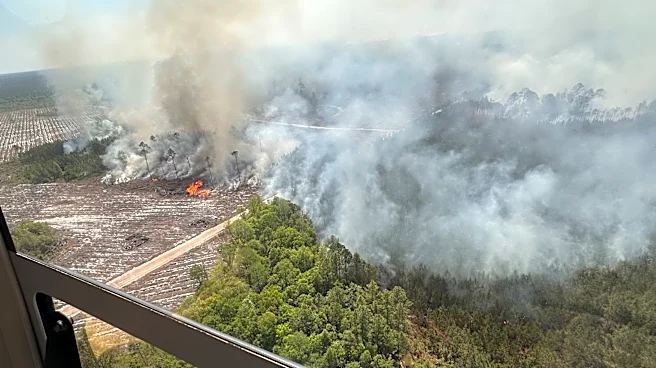
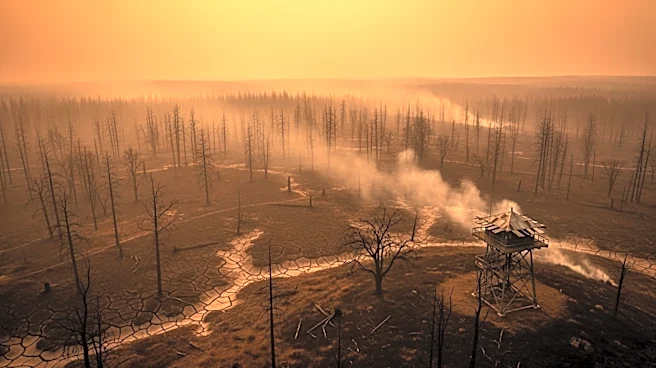
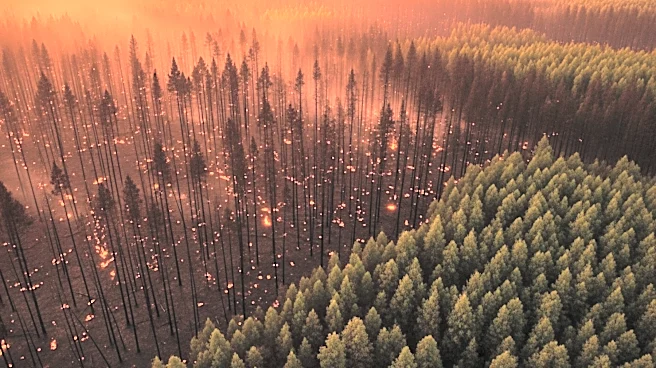
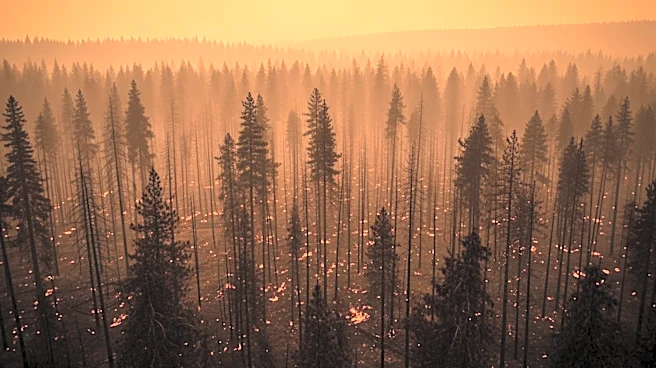
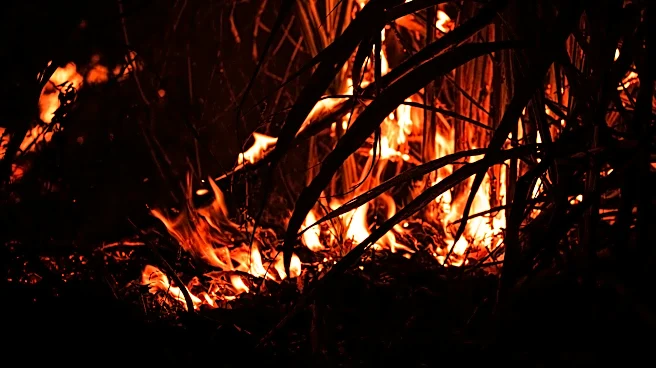
Wildfires in southeastern Georgia have destroyed more than 120 homes and continue to pose a threat to property and lives. The Highway 82 fire, which began when a foil balloon hit power lines, has destroyed at least 87 homes and is only 10% contained.
Another fire, the Pineland Road fire, started by sparks from a welding operation, has destroyed at least 35 homes and is similarly contained. These fires have led Governor Brian Kemp to declare a 30-day state of emergency in 91 counties. Firefighters are battling over 150 wildfires in Georgia and Florida, with strong winds threatening to spread the flames further.
Why It's Important?
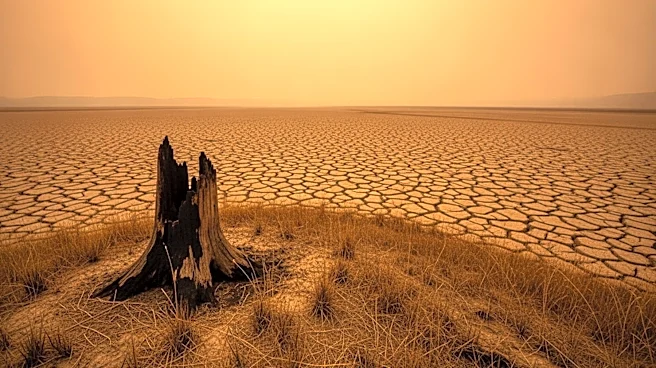
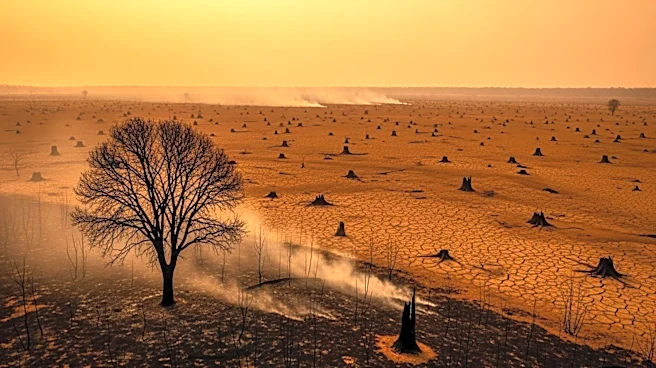
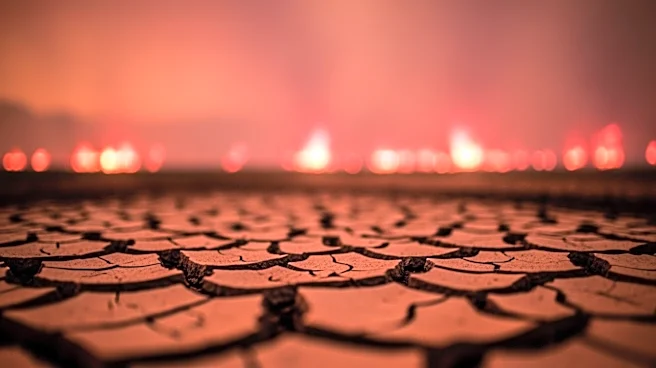
The wildfires in Georgia highlight the increasing vulnerability of regions to natural disasters exacerbated by climate change. The destruction of homes and the declaration of a state of emergency underscore the severe impact on local communities, displacing residents and straining emergency services. The fires also pose a significant risk to air quality, affecting health and safety in areas far from the flames. The situation reflects broader environmental challenges, including extreme drought and the aftermath of previous natural disasters, which have left forests more susceptible to fires.
What's Next?
Efforts to contain the fires are ongoing, with firefighters using infrared technology to map the fire perimeters. The state of emergency allows for additional resources and support to be mobilized. Residents in affected areas are urged to evacuate if ordered, as strong winds could exacerbate the situation. The focus will be on preventing further spread and minimizing damage, while addressing the underlying conditions that have contributed to the fires' severity.