








What's Happening?
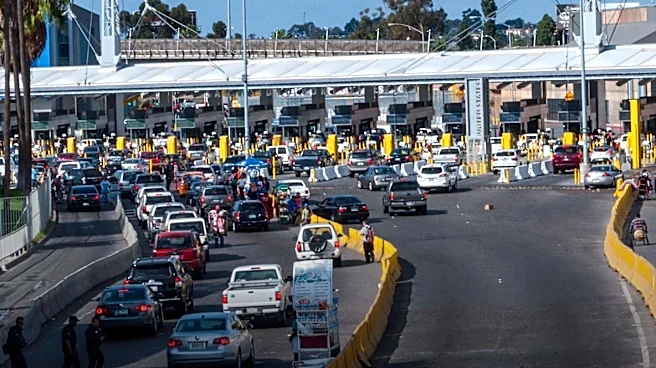
The Immigration and Checkpoints Authority (ICA) of Singapore has issued a warning to travelers regarding anticipated long queues and heavy traffic at the Woodlands and Tuas land checkpoints connecting Singapore and Malaysia. This congestion is expected
to occur from November 6 to 9, coinciding with the Deepavali holiday weekend. The ICA advises motorists to plan their journeys in advance, avoid peak travel periods, and consider traveling during early morning or late evening hours. Travelers are also encouraged to monitor real-time traffic conditions before departing. The authority noted that increased security checks, implemented since February 28 due to a 'heightened global security environment,' will contribute to longer waiting times. To expedite immigration clearance, the ICA recommends using QR codes generated via the MyICA mobile app, and for short-term visitors, ensuring the app is updated to its latest version. QR code clearance, alongside facial recognition for motorcyclists, has reportedly boosted processing capacity by over 35% during peak departure times. The ICA also stressed adherence to traffic rules and cooperation with officers, warning that queue-cutters will be turned back.
Why It's Important?
This advisory is significant for regional travel and economic activity between Singapore and Malaysia. The land checkpoints are crucial arteries for daily commuters, tourists, and cross-border trade. Extended delays can lead to substantial economic costs due to lost productivity, increased fuel consumption, and potential disruptions to supply chains. For individuals, the inconvenience of prolonged waiting times can deter travel, impacting tourism and personal engagements. The mention of 'heightened global security environment' and increased security checks underscores a broader concern for national security, indicating that these measures are not temporary but a response to ongoing international developments. This could set a precedent for future travel experiences, where security protocols might continue to prioritize vigilance over speed, potentially altering travel patterns and expectations for cross-border movement. The emphasis on digital solutions like QR codes highlights a push towards technology-driven efficiency, which, if widely adopted, could mitigate some of the congestion challenges in the long term.
What's Next?
Travelers intending to cross the Singapore-Malaysia land checkpoints between November 6 and 9 should anticipate significant delays and adjust their travel plans accordingly. The ICA's recommendations, such as traveling during off-peak hours and utilizing the MyICA mobile app for QR code clearance, will be critical for minimizing individual waiting times. The authority is expected to maintain its increased security checks, meaning that even outside of holiday periods, travelers might experience longer processing times compared to historical norms. Further enforcement actions against traffic violations, such as queue-cutting, are likely to be implemented to manage traffic flow and ensure fairness. The success of digital solutions like QR codes in alleviating congestion during this period could influence future policy decisions regarding border management and the integration of technology to enhance efficiency and security at checkpoints. The Deepavali holiday period will serve as a test for these measures under high-demand conditions.
Beyond the Headlines
The recurring issue of congestion at the Singapore-Malaysia land checkpoints, exacerbated by holiday periods and heightened security, points to a deeper challenge in managing high-volume cross-border movements in a densely populated region. While immediate solutions focus on traffic management and digital tools, the long-term implications could involve a re-evaluation of infrastructure capacity and alternative transportation methods. The increased security measures, driven by a 'heightened global security environment,' reflect a broader trend where national security concerns are increasingly influencing daily life and international travel. This could lead to a permanent shift in how borders are managed, with a greater emphasis on surveillance and data collection. The reliance on technology, such as QR codes and facial recognition, while offering efficiency, also raises questions about data privacy and the potential for increased digital monitoring of citizens and visitors. The balance between security, efficiency, and individual freedoms will likely remain a critical consideration in future border management strategies.