


What's Happening?
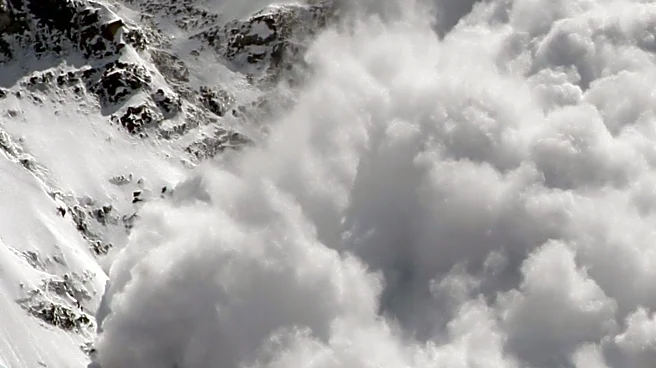
The body of U.S. climber Sarah Mallory Geis, who died in an avalanche on Broad Peak on July 30, has been recovered. Geis was part of a 10-member international expedition led by British-Nepali mountaineer Nirmal Purja. The avalanche cut off contact with
the team, and Purja’s company later confirmed there were no survivors. While the bodies of eight other expedition members, including Pakistan’s Sohail Sakhi, were found in earlier missions, Geis and Nepal’s Nawang Thindu Sherpa remained missing. Alpine Club of Pakistan President (retired) Major General Irfan Arshad Khan confirmed on Friday that local rescue volunteers found Geis’s body on the slopes of Broad Peak. The body is currently being transported to base camp and will subsequently be airlifted to Skardu by Pakistan Army helicopters. The search for the remaining missing Nepali climber is ongoing. Separately, a team has been dispatched to Spantik to retrieve the body of Pakistani climber Dr. Asma Mushtaq, who died after a medical emergency during her descent.
Why It's Important?
The recovery of Sarah Mallory Geis's body brings a measure of closure to her family and highlights the extreme dangers inherent in high-altitude mountaineering. The incident underscores the significant risks faced by climbers, even those participating in expeditions led by experienced mountaineers. The involvement of local rescue volunteers and the Pakistan Army in the recovery efforts demonstrates the international cooperation often required in such challenging environments. This event also draws attention to the broader issue of safety protocols and emergency response capabilities in remote mountainous regions. For the mountaineering community, such tragedies serve as a stark reminder of the unpredictable nature of the sport and the critical importance of preparedness and risk assessment. The ongoing search for the remaining missing climber further emphasizes the dedication and perseverance of rescue teams in these perilous conditions.
What's Next?
Following the recovery, Sarah Mallory Geis's body will be transported to base camp and then airlifted to Skardu by Pakistan Army helicopters for further arrangements. The search efforts for the remaining missing Nepali climber, Nawang Thindu Sherpa, will continue. This ongoing search underscores the commitment to locating all victims of the avalanche. Additionally, the separate mission to retrieve the body of Pakistani climber Dr. Asma Mushtaq from Spantik is underway, indicating continued efforts to bring closure to other affected families. These events may prompt discussions within the mountaineering community and among expedition organizers regarding enhanced safety measures, improved communication systems, and more robust emergency response plans for future high-altitude expeditions in the region.
Beyond the Headlines
The tragic loss of Sarah Mallory Geis and other climbers on Broad Peak extends beyond the immediate incident, touching upon the profound human desire for exploration and the inherent risks associated with pushing the boundaries of human endurance. It raises questions about the psychological toll on families awaiting news of loved ones in such remote and dangerous environments, as well as the emotional burden on rescue teams. The incident also highlights the global nature of mountaineering, with individuals from various countries participating in expeditions, fostering a sense of international camaraderie and shared risk. Furthermore, it subtly brings to light the economic and logistical challenges faced by local communities and governments in supporting and conducting high-altitude rescue operations, often relying on volunteer efforts and military assistance. The stories of these climbers, like Dr. Asma Mushtaq, who balance demanding professional lives with their passion for mountaineering, reflect a broader cultural narrative of adventure and personal challenge.