




What's Happening?
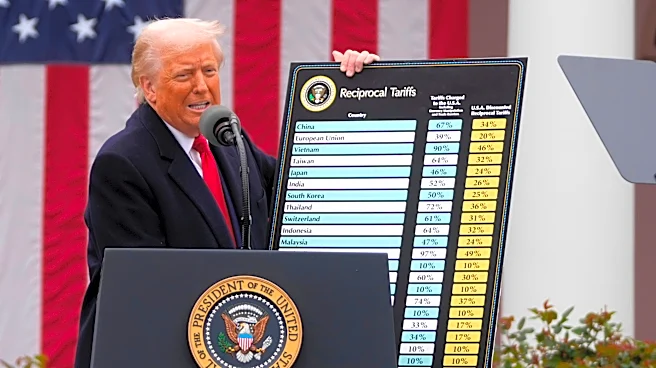
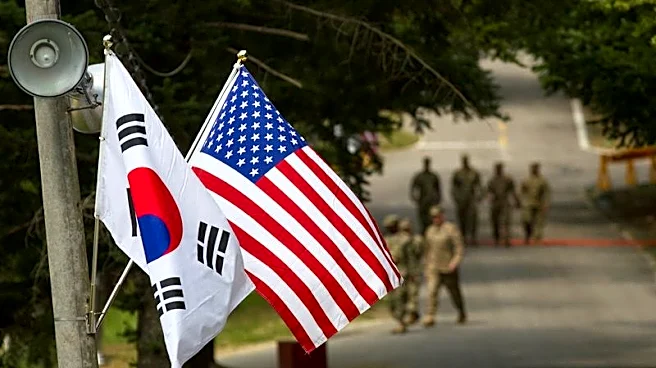
The United States has confirmed its commitment to maintaining a 15% tariff cap on South Korean goods, as per the existing Seoul-Washington trade agreement. This comes in light of newly announced Section 301 tariffs on imports from 60 trade partners, which
range from 10% to 12.5%. The announcement follows the expiration of temporary 10% worldwide tariffs and a Supreme Court decision that struck down previous reciprocal tariffs. South Korea, along with Japan and Switzerland, is subject to a 12.5% tariff under the new scheme. The South Korean government, led by Industry Minister Kim Jung-kwan, has been in talks with U.S. officials to ensure that any tariffs resulting from ongoing investigations into forced labor and excess industrial capacity remain within the agreed 15% ceiling.
Why It's Important?
This development is significant as it impacts the trade dynamics between the U.S. and South Korea, which is the latter's second-largest trading partner. The reaffirmation of the tariff cap provides stability and predictability for South Korean exporters, who sent $122.9 billion worth of goods to the U.S. last year. The ongoing investigations and potential tariffs could affect industries reliant on U.S. imports, influencing economic relations and trade policies. Ensuring compliance with the tariff agreement is crucial for maintaining balanced trade relations and avoiding potential economic disruptions.
What's Next?
The South Korean government plans to continue close consultations with the U.S. to ensure that the balance of interests secured through the existing tariff agreement is maintained. As the Section 301 investigation into overproduction is ongoing, South Korea will actively respond to the investigation process to protect its economic interests. The outcome of these investigations could lead to further adjustments in trade policies and tariffs, affecting bilateral trade relations.