



What's Happening?
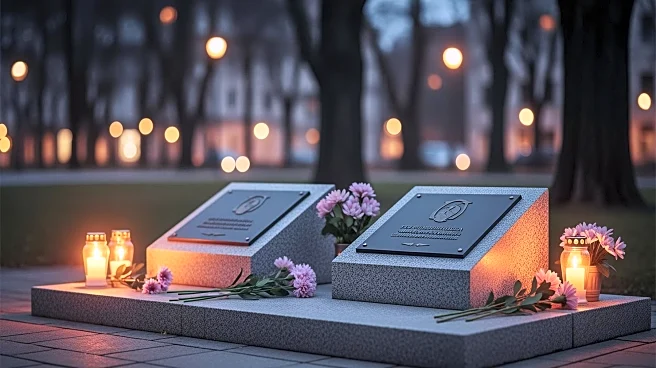
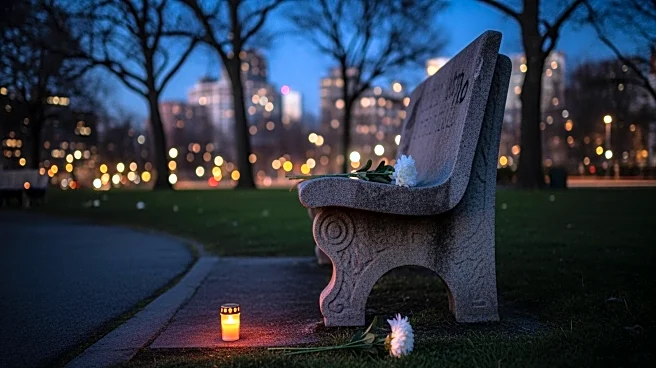
In Minneapolis, the city is grappling with how to manage makeshift memorials for Renee Good and Alex Pretti, two U.S. citizens killed by federal officers. These memorials have become sites of public mourning, echoing the community-driven memorial for George
Floyd. The city previously took over five years to decide on the official memorialization of George Floyd Square, and now faces similar challenges with these new sites. The memorials for Good and Pretti have drawn community support and are seen as symbols of solidarity. The city is currently engaging with the community to determine the future of these memorials, while ensuring public safety and access for emergency vehicles.
Why It's Important?
The situation highlights ongoing tensions between federal law enforcement actions and community responses in Minneapolis. The memorials serve as focal points for public grief and protest against perceived injustices by federal authorities. The city's handling of these sites could set precedents for how similar situations are managed in the future, impacting community relations and trust in law enforcement. The memorials also reflect broader national conversations about police accountability and the role of federal agencies in local communities.
What's Next?
Minneapolis officials are actively working on next steps, including continued community engagement regarding the memorials. The city must balance the need for public mourning spaces with logistical considerations like traffic management and emergency access. Decisions made could influence future policies on public memorials and community engagement in the aftermath of law enforcement actions.