

What's Happening?
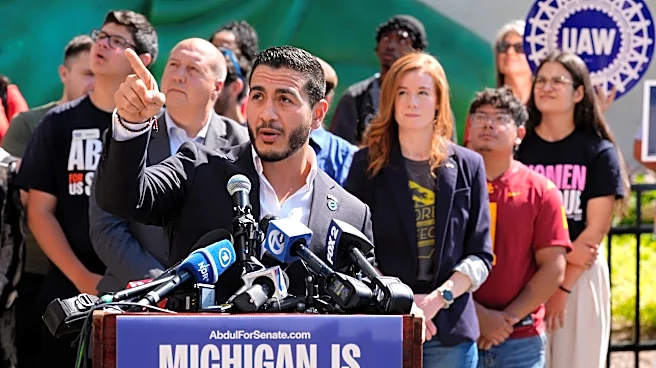
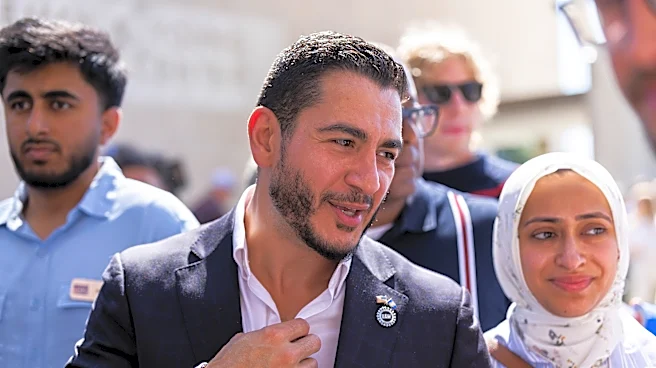
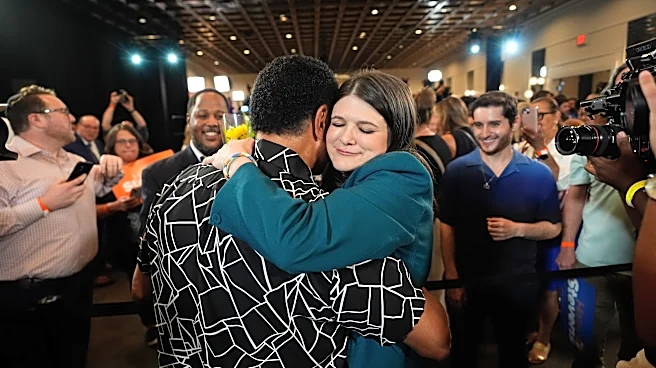
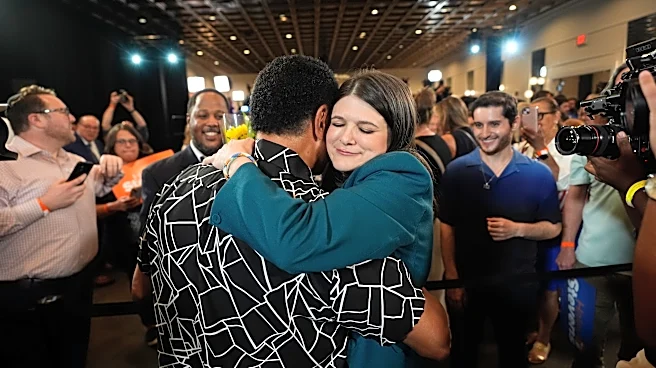
During a Senate Judiciary Committee subcommittee hearing, Senator Ted Cruz accused Dr. Abdul El-Sayed, the Democratic nominee for the U.S. Senate in Michigan, of having connections to the Muslim Brotherhood. Cruz, who chaired the session titled 'Hidden
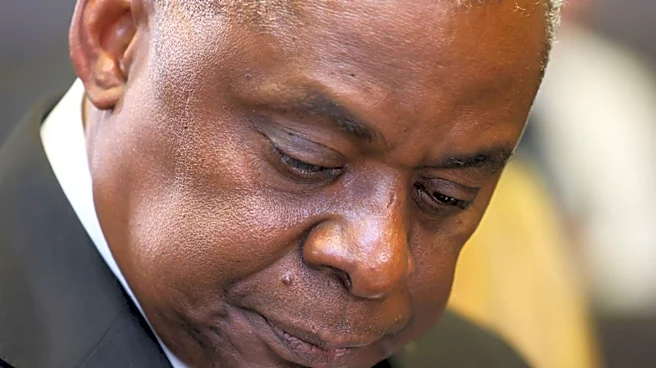
in Plain Sight: Confronting the Muslim Brotherhood Network in America,' claimed that El-Sayed's political rise is supported by an entrenched network linked to the Brotherhood. The hearing featured testimony from Kyle Shideler, a security analyst, who alleged that El-Sayed's father-in-law, Dr. Tayeb Jukaku, has ties to organizations affiliated with the Brotherhood, including the Council on American-Islamic Relations (CAIR). Subcommittee Democrats boycotted the hearing, arguing it unfairly targeted American Muslims. El-Sayed's connections to Islamic organizations and his progressive stance are expected to be focal points in the upcoming general election.
Why It's Important?
The accusations against Abdul El-Sayed highlight ongoing tensions in U.S. politics regarding the influence of Islamic organizations and their perceived connections to extremist groups. This development could impact the Michigan Senate race, a pivotal contest that may influence the balance of power in the Senate. The allegations also underscore the broader political divide over Middle East policy, particularly concerning U.S. relations with Israel and support for Palestinian causes. The controversy may affect voter perceptions and campaign strategies, especially among pro-Israel Democrats and progressive factions. Additionally, the hearing reflects the contentious nature of discussions around national security and civil liberties, particularly for American Muslims.
What's Next?
As the general election approaches, El-Sayed's alleged ties to the Muslim Brotherhood and his stance on Middle East policy are likely to remain central issues. The Republican nominee, Mike Rogers, is expected to capitalize on these controversies to gain support. The outcome of this race could have significant implications for Senate control. Furthermore, the accusations may prompt further scrutiny of El-Sayed's affiliations and policy positions, potentially influencing campaign dynamics and voter turnout. Political leaders and advocacy groups may also intensify their efforts to sway public opinion and secure electoral victories.