
What's Happening?
President Trump has successfully negotiated with at least seven major pharmaceutical companies, including GlaxoSmithKline, Merck, and Sanofi, to voluntarily reduce drug prices. This initiative, announced
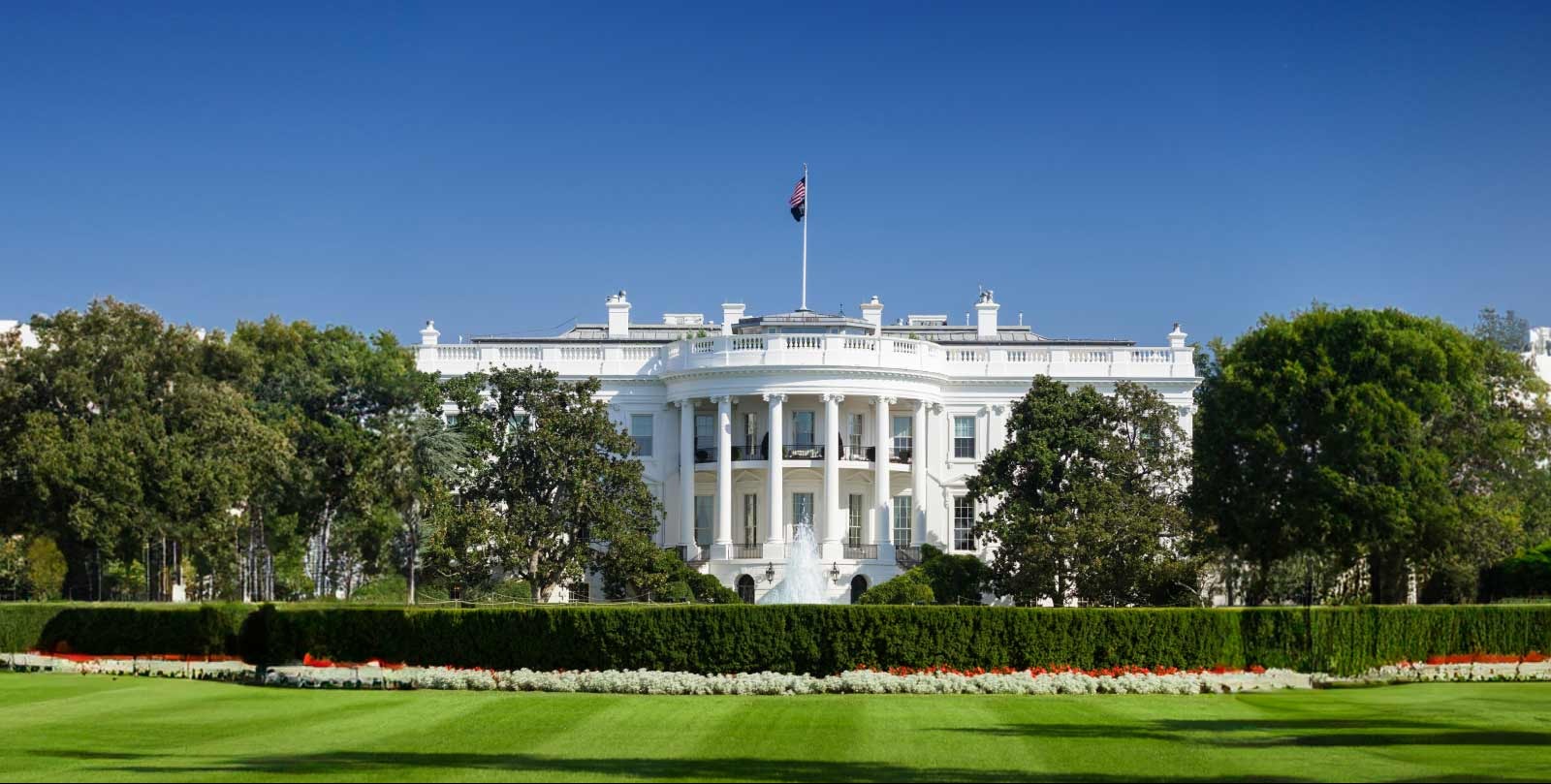
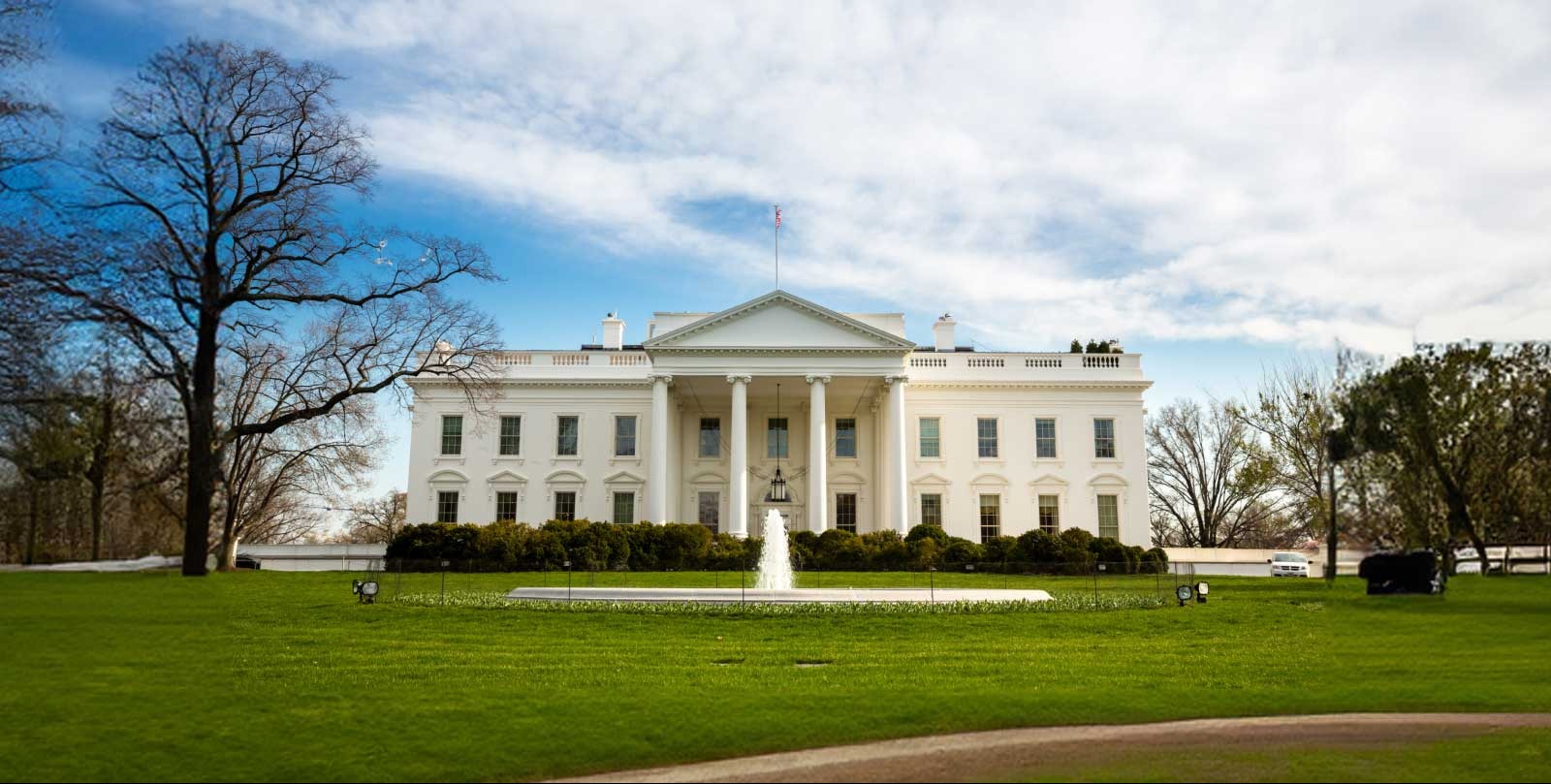
at the White House, is part of a broader effort to align U.S. drug prices with lower international costs. In exchange for these price cuts, the companies will receive tariff relief and expedited FDA reviews for future drug approvals. This move follows similar agreements with other companies since September, aiming to curb rising healthcare costs. The administration has used various incentives, including the Centers for Medicare and Medicaid Services' innovation center, to encourage compliance.
Why It's Important?
The agreements represent a significant shift in the pharmaceutical industry, which has historically resisted major price reforms. By securing these deals, President Trump aims to address voter concerns over healthcare costs, a critical issue as the country approaches mid-term elections. The initiative could lead to substantial savings for American consumers and the government, potentially setting a precedent for future negotiations. However, the deals have raised concerns among Democrats and former FDA officials about the legality and safety implications of expedited drug reviews.
What's Next?
The administration plans to continue announcing similar deals, with more companies expected to join the initiative. As the agreements unfold, there may be increased scrutiny from Congress and public health advocates regarding the ethical and legal aspects of the expedited review process. The pharmaceutical industry will likely monitor the financial impact of these deals closely, balancing potential revenue losses against the benefits of tariff relief and faster drug approvals.