


What's Happening?
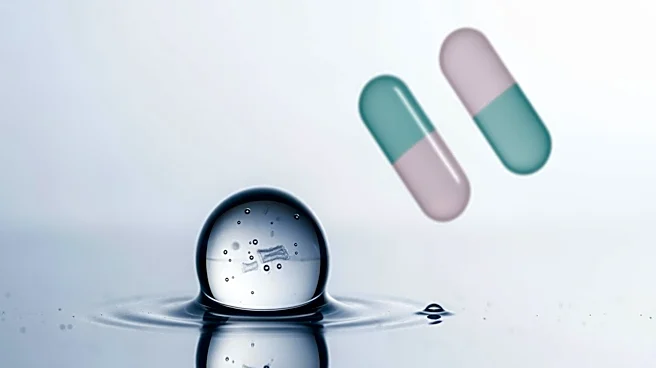
The Environmental Protection Agency (EPA) has included microplastics and pharmaceuticals in its draft Contaminant Candidate List, a move that could lead to future regulation of these substances in drinking water. This decision is part of the EPA's efforts
to address public health concerns about the presence of microplastics in water supplies. The Department of Health and Human Services (HHS) has also announced a $144 million initiative, called STOMP, to study the effects of microplastics on human health and develop methods to remove them from drinking water. This initiative aims to create a scientific foundation for understanding and mitigating the impact of microplastics.
Why It's Important?
The inclusion of microplastics on the EPA's list is a response to growing concerns about the safety of drinking water. Microplastics have been found in human organs and are linked to potential health risks, including cancer and fertility issues. The EPA's action is seen as a preliminary step towards regulation, which could lead to stricter controls on water quality and impact industries involved in plastic production and waste management. The initiative reflects a broader governmental effort to address environmental and public health challenges posed by plastic pollution.
What's Next?
The draft list will be open for public comment for 60 days, allowing stakeholders to provide feedback. Following this period, the EPA will decide whether to implement regulations that set limits on microplastics in drinking water. This process could take several years, as more research is needed to determine safe exposure levels. The outcome could lead to significant changes in how water is treated and monitored, with potential implications for public health and environmental policy.