








What's Happening?
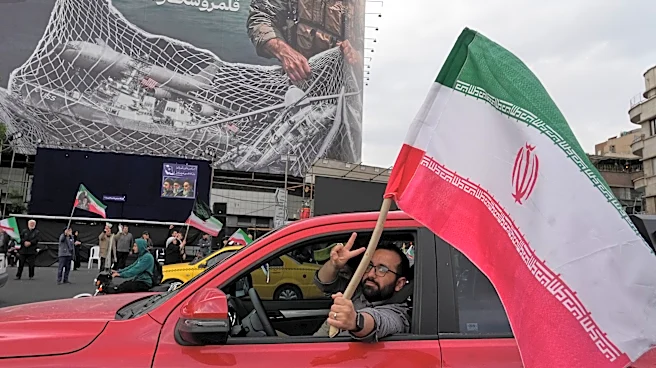
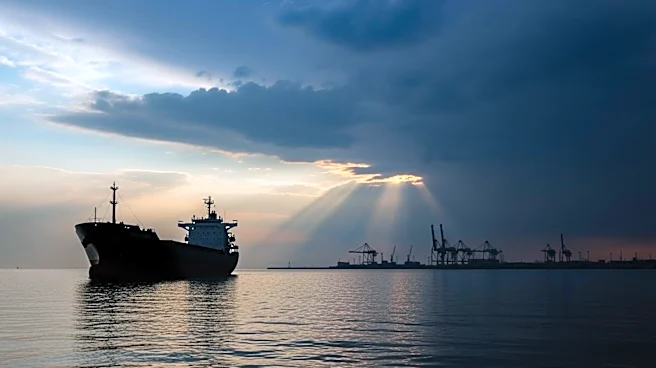
The ongoing conflict with Iran and China's reported support for Iran have heightened concerns about a potential crisis involving Taiwan. The closure of the Strait of Hormuz is impacting the global economy, while China's military preparations for a possible
invasion of Taiwan pose a significant threat. The situation is exacerbated by the lack of a clear U.S. strategy to address a potential conflict over Taiwan, which is central to global high-tech supply chains. The scenario underscores the complexities of U.S.-China relations and the broader geopolitical implications of the Iran conflict.
Why It's Important?
Taiwan is a critical player in the global technology industry, and any conflict involving the island could have severe economic repercussions worldwide. The U.S.'s strategic ambiguity regarding Taiwan's defense raises concerns about its ability to deter Chinese aggression and maintain stability in the Asia-Pacific region. The potential for a Taiwan crisis highlights the interconnectedness of global conflicts and the need for comprehensive strategies to address multiple geopolitical challenges simultaneously. The situation also emphasizes the importance of international cooperation and dialogue in preventing escalation and ensuring regional security.
What's Next?
The U.S. may need to develop a more explicit strategy for Taiwan's defense to deter potential Chinese aggression. Diplomatic efforts to engage China and address underlying tensions could be crucial in preventing a crisis. The international community might also play a role in supporting Taiwan and maintaining stability in the region. The situation calls for a reassessment of global security priorities and the development of multilateral frameworks to address emerging threats and ensure peace.