


What's Happening?
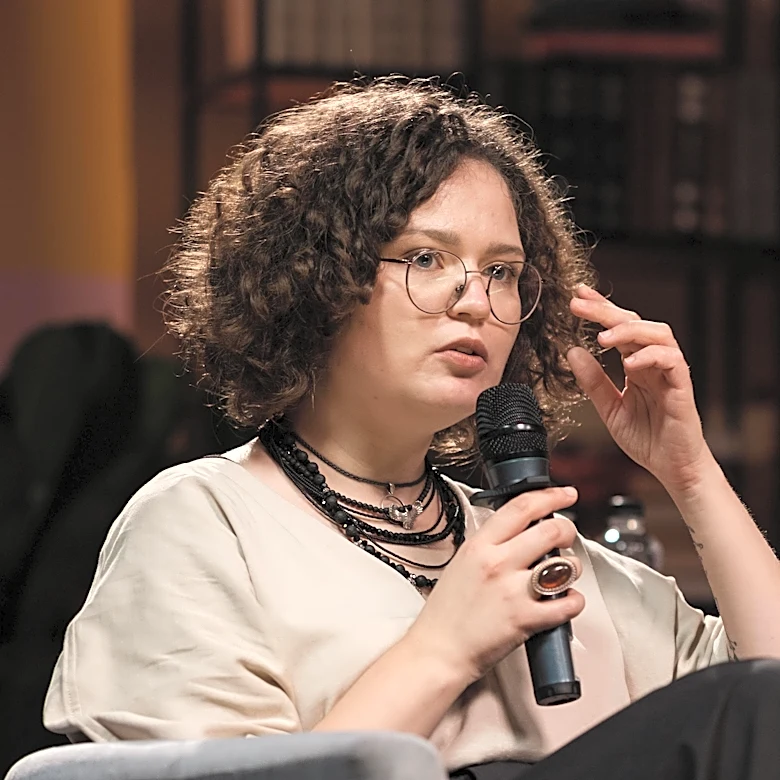
Nabil Hudda has joined the GSMA as Senior Market Engagement Manager within the Mobile for Humanitarian Innovation programme. In this role, Hudda collaborates with mobile operators, humanitarian organizations, and other partners to enhance the integration
of mobile technology in crisis preparedness, response, and recovery efforts. His work specifically focuses on areas such as early warning systems and humanitarian connectivity. Hudda brings extensive experience from the humanitarian and development sectors across the Middle East, Africa, Asia, and Europe, with a specialization in cash and market-based programming and economic recovery. Prior to joining GSMA, he led emergency cash, food security, and livelihoods programming with Action Against Hunger in Gaza, Palestine. His commitment is rooted in ensuring crisis-affected communities are active participants in aid programs, fostering dignity, choice, and agency.
Why It's Important?
Nabil Hudda's role at GSMA is crucial for advancing the use of mobile technology in humanitarian contexts, which has significant implications for the efficiency and effectiveness of aid delivery. Mobile technology can provide vital communication channels during crises, facilitate early warning systems to mitigate disaster impacts, and enable more direct and transparent aid distribution through mobile money. His focus on strengthening partnerships between mobile operators and humanitarian organizations can bridge critical gaps in connectivity and service provision in vulnerable regions. By empowering communities to be co-creators of aid programs, Hudda's work aligns with modern humanitarian principles that prioritize local ownership and dignity, moving away from traditional top-down aid models. This approach can lead to more sustainable and contextually relevant solutions, ultimately improving outcomes for populations affected by crises.
What's Next?
Nabil Hudda's ongoing work at GSMA will likely lead to the development and scaling of innovative mobile-based solutions for humanitarian challenges. This could include the expansion of mobile early warning systems in disaster-prone areas, improved digital payment systems for cash assistance, and enhanced connectivity solutions for displaced populations. His efforts to foster collaboration between mobile operators and humanitarian groups are expected to result in new partnerships and pilot projects aimed at testing and refining these technologies. Furthermore, Hudda's emphasis on community co-creation suggests future initiatives will increasingly involve local populations in the design and implementation of mobile humanitarian programs, ensuring that solutions are tailored to their specific needs and contexts. The insights and best practices derived from these initiatives could also influence global standards for mobile technology use in humanitarian aid.
Beyond the Headlines
The increasing reliance on mobile technology in humanitarian aid also brings forth deeper implications regarding digital inclusion and data privacy. While mobile phones offer unprecedented access and efficiency, ensuring equitable access for all, especially the most vulnerable, remains a challenge. There are also critical ethical considerations around the collection and use of personal data in crisis zones, requiring robust data protection protocols to prevent misuse or exploitation. Hudda's work, by strengthening the role of mobile technology, implicitly contributes to these discussions, highlighting the need for responsible innovation. The long-term impact could be a more digitally integrated humanitarian ecosystem, where mobile technology is not just a tool but a fundamental component of resilience-building and recovery, transforming how aid is delivered and how affected communities interact with humanitarian actors.