








What's Happening?
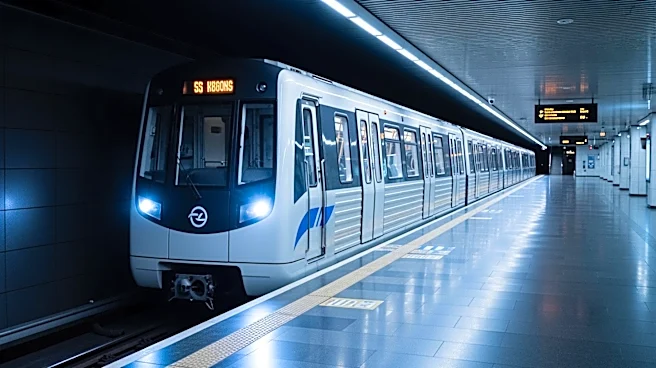
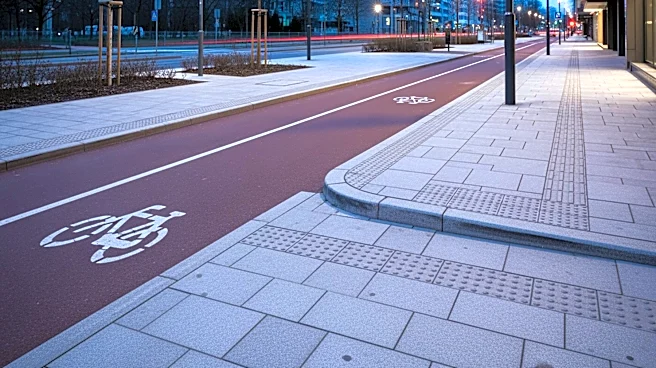
In Bellingham, a debate is unfolding over the city's transportation planning, particularly concerning the needs of elderly and disabled residents. The advocacy group Walk and Roll Bellingham is promoting a vision for a more active transportation system,
emphasizing walking, biking, and public transit. Their mission is to create safer and more livable communities by enhancing infrastructure and policy. However, this vision has been met with criticism from some residents who feel that the focus on reducing car dependency overlooks the needs of those who rely on vehicles due to mobility issues. Critics argue that the reduction of parking spaces and the emphasis on bike lanes do not consider the challenges faced by the disabled and elderly, who may find it difficult to use alternative modes of transportation.
Why It's Important?
The controversy highlights a significant challenge in urban planning: balancing environmental goals with accessibility needs. As cities strive to reduce carbon emissions and promote sustainable transportation, they must also ensure that all residents, including those with mobility challenges, are considered. The situation in Bellingham underscores the broader issue of inclusivity in urban development. If the needs of the disabled and elderly are not adequately addressed, these groups may face increased isolation and reduced quality of life. This debate is crucial as it reflects the need for comprehensive planning that accommodates diverse populations while pursuing environmental sustainability.
What's Next?
The ongoing discussions in Bellingham may lead to revisions in the city's transportation plans to better accommodate the needs of all residents. Stakeholders, including advocacy groups, city planners, and residents, are likely to engage in further dialogue to find a balanced approach. Potential outcomes could include the integration of more accessible parking options and improved public transit services that cater to those with mobility issues. The city may also consider conducting more inclusive consultations to ensure that the voices of all community members are heard in the planning process.
Beyond the Headlines
This situation in Bellingham could serve as a case study for other cities facing similar challenges. It raises important questions about the ethical responsibilities of urban planners to ensure equitable access to transportation. The debate also highlights the potential for long-term shifts in how cities approach transportation planning, with a growing emphasis on inclusivity alongside sustainability. As more cities aim to reduce their carbon footprints, the lessons learned from Bellingham could inform future policies that better balance environmental goals with the needs of diverse populations.