





What's Happening?
Kenya has significantly increased its long-term target for expanding renewable energy capacity to 5,500 megawatts (MW), a substantial rise from its current 1,500 MW. This ambitious plan is designed to meet surging demand and support the nation's industrialization
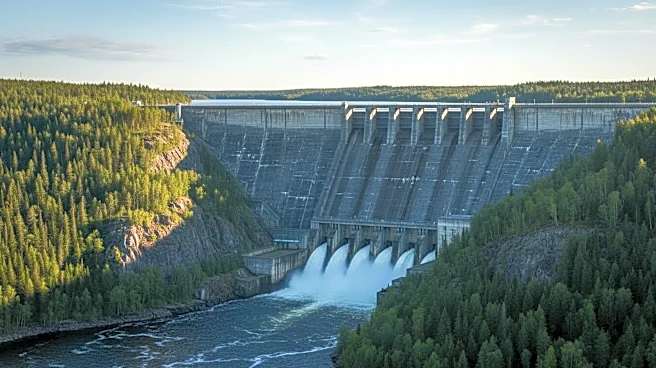
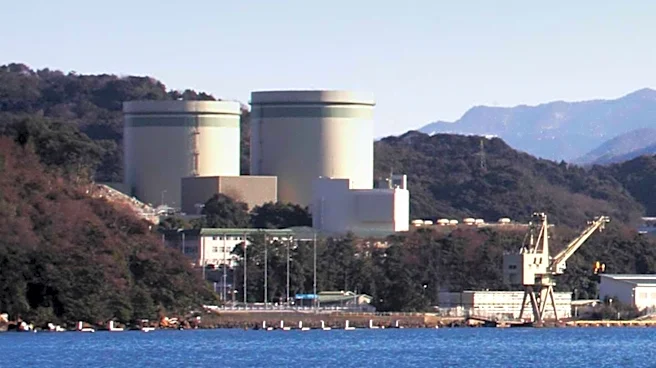
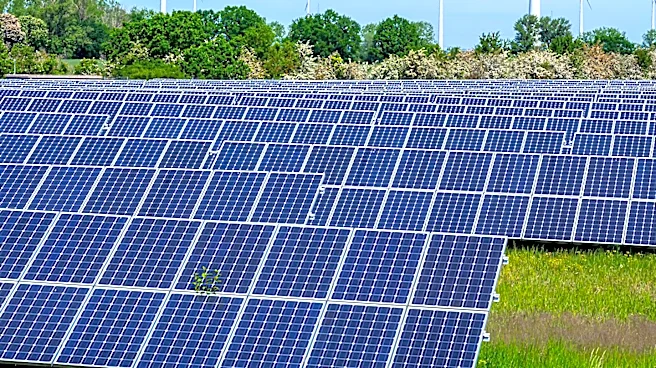
efforts. The expanded capacity is projected to include 2,000 MW of nuclear power, alongside 700 MW of hydropower and new geothermal projects. While Kenya already generates 93% of its electricity from renewable sources, experts indicate that reforms in utility contracts, electricity grids, financing, and pricing are crucial to translate this growth into more affordable power for consumers. Peter Njenga, CEO of KenGen, the state-owned utility producing approximately 60% of Kenya's power, confirmed the recalibrated growth trajectory. Lawmakers are actively pushing the government to reduce electricity rates, with the parliament directing Energy Minister Opiyo Wandayi in July to develop a policy for renegotiating electricity supply agreements with major power producers.
Why It's Important?
This move is significant as it positions Kenya to further solidify its role as a global leader in renewable energy. The inclusion of nuclear power marks a notable diversification in its energy strategy, aiming for a more robust and stable power supply. However, the challenge lies in ensuring that this expansion benefits consumers through more affordable electricity. Currently, industrial consumers in Kenya pay between $0.18 and $0.23 per kilowatt-hour, which is considerably higher than rates in other African nations like South Africa ($0.03) and Egypt ($0.03). The high cost is attributed to factors such as infrastructure costs, electricity tariff structures, outstanding bill recoveries, and the expensive installation and maintenance of green energy infrastructure. Mugwe Manga, climate finance lead at FSD Kenya, emphasizes the need for a holistic view of the entire energy system to understand the drivers of the end cost of power, suggesting that simply increasing generation capacity may not lead to cheaper electricity without addressing underlying systemic issues.
What's Next?
The immediate next steps involve the Energy Minister Opiyo Wandayi developing a policy for renegotiating electricity supply agreements with major power producers, as directed by parliament. This initiative aims to lower wholesale prices, potentially allowing Kenya Power to reduce consumer rates without compromising its financial stability. Energy experts suggest that the focus should shift from merely building new generation capacity to making existing electricity cheaper. This will likely involve addressing inefficiencies in the distribution network, where over 20% of electricity is lost to technical failures and illegal connections, compared to a global average of 8%-10%. Additionally, high financing costs for renewable energy developers, who face higher interest rates due to perceived risks, will need to be tackled. Proposed open-access electricity market reforms could also increase competition by enabling large consumers to purchase electricity directly from generators. The success of these ambitious targets will depend on predictable investment policies and comprehensive reforms, as highlighted by Cynthia Angweya-Muhati, CEO of the Kenya Renewable Energy Association.
Beyond the Headlines
The deeper implications of Kenya's energy strategy extend beyond mere capacity expansion. The high cost of electricity, despite a predominantly renewable energy mix, highlights a critical economic and social challenge. Unlike some other countries, Kenya provides limited direct subsidies to cushion electricity prices, meaning consumers bear the brunt of financing costs, transmission and distribution losses, taxes, and foreign exchange movements. This situation underscores the complex interplay between energy policy, economic development, and social equity. The 'take-or-pay' clauses in power purchase agreements, which obligate Kenya to pay for contracted electricity even if not fully consumed, further complicate the cost structure. While these guarantees are often necessary to secure financing for capital-intensive projects, they can lead to consumers paying for surplus electricity. The ongoing efforts to reform these agreements and improve grid efficiency are not just about reducing costs but also about fostering a more equitable and sustainable energy ecosystem that supports industrial growth and improves the quality of life for its citizens.