





What's Happening?
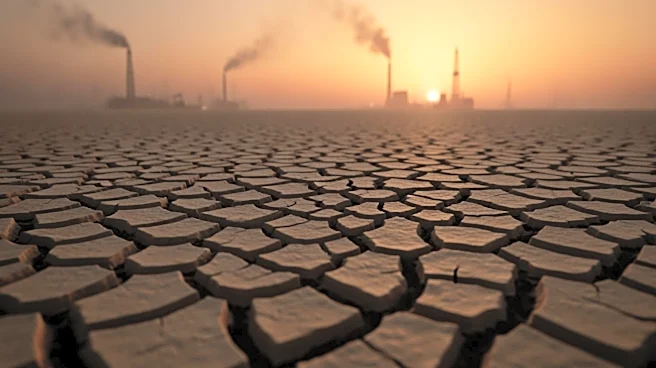
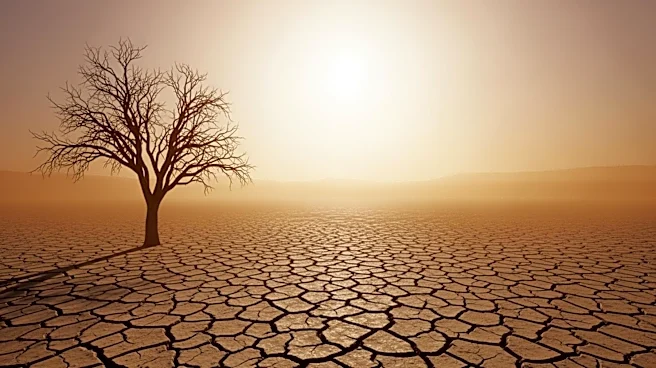
Climate experts warn that rising temperatures and increased dust storms, exacerbated by climate change, could render parts of Israel uninhabitable by the end of the 21st century. Professor Oded Potchter and Professor Menachem Luria highlight that regions
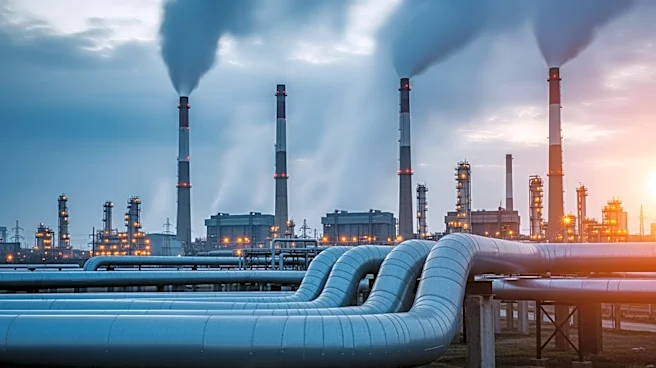
like the southern Arava, Eilat, and the Jordan Valley may face unsustainable living conditions as temperatures could exceed 50 degrees Celsius. The frequency of dust storms is expected to rise, worsening air pollution and public health risks. The reliance on coal by major economies like the U.S. and China is cited as a significant contributor to global temperature increases.
Why It's Important?
The potential uninhabitability of parts of Israel due to climate change poses significant challenges for the region's population and infrastructure. Rising temperatures and extreme weather events could lead to displacement, economic instability, and increased health risks. The situation underscores the urgent need for global cooperation in reducing greenhouse gas emissions and transitioning to sustainable energy sources. The impact on Israel serves as a microcosm of the broader global climate crisis, highlighting the need for immediate action to mitigate long-term consequences.
What's Next?
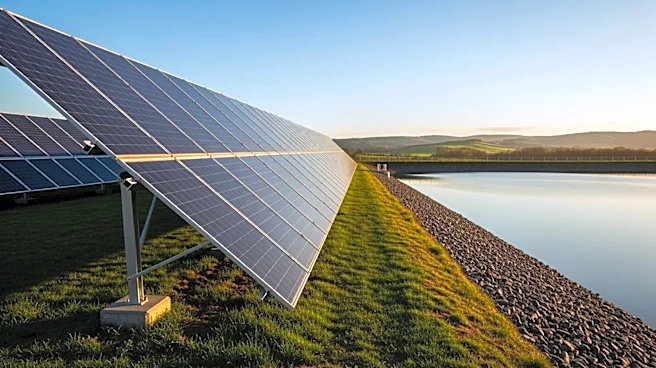
As climate conditions worsen, Israel may need to implement adaptive strategies, such as developing heat-resistant infrastructure and enhancing water management systems. International collaboration on climate policy and technology transfer could play a crucial role in addressing these challenges. The upcoming El Niño phenomenon is expected to further intensify weather patterns, necessitating preparedness measures to protect vulnerable populations. Long-term planning and investment in renewable energy sources will be critical to mitigating the impacts of climate change.