






What's Happening?
The Food and Drug Administration (FDA) has upgraded the recall of Publix's GreenWise Organic Whole Blueberries and Whole Mixed Berries to a Class I recall, its most severe classification. This upgrade signifies that consumption or exposure to these products
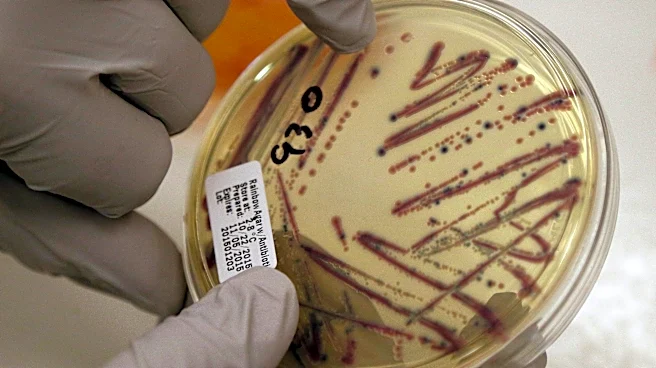
could lead to serious health problems or death. The initial recall in July involved one lot of frozen blueberries due to potential E. coli contamination, which Publix later expanded to include all lots of GreenWise Organic Whole Blueberries and Whole Mixed Berries. The berries have been linked to a multistate E. coli outbreak that has sickened a dozen people, with four hospitalizations. While illnesses have been reported in Florida and Georgia, no cases have been confirmed in North Carolina. The affected products include 10-ounce and 48-ounce bags of GreenWise Organic Whole Blueberries (UPC 41415-06453 and 41415-12053) and GreenWise Organic Whole Mixed Berries (UPC 41415-06753 and 41415-12153). Consumers are advised to discard these products or return them to Publix for a full refund. The FDA is actively investigating the source of the contamination.
Why It's Important?
This Class I recall highlights a significant public health risk, as E. coli contamination can cause severe symptoms such as stomach cramping, diarrhea, and vomiting, and in some cases, lead to serious health complications or even death. The elevation to the highest risk level underscores the potential severity of the outbreak and the urgency for consumers to take immediate action. The multistate nature of the outbreak, with reported illnesses in Florida and Georgia, indicates a broad reach of the contaminated products, impacting consumer safety across multiple regions where Publix operates. For the food industry, this incident emphasizes the critical importance of stringent food safety protocols throughout the supply chain, from sourcing to distribution. Recalls of this magnitude can lead to substantial financial losses for retailers and suppliers, including costs associated with product retrieval, refunds, and potential legal liabilities. Furthermore, such events can erode consumer trust in organic products and the brands involved, potentially affecting sales and market share in the long term.
What's Next?
The FDA and the U.S. Centers for Disease Control and Prevention (CDC) are continuing their investigation to pinpoint the exact source of the E. coli contamination. This investigation may involve further inspections of the supplier, Frutas y Hortalizas del Sur S.A. in Chile, and a review of their procedures and hazard controls. The FDA has indicated that frozen blueberries from this firm offered for entry into the United States may be detained without physical examination, suggesting potential import restrictions until the company demonstrates resolution of the contamination issues. Consumers who have purchased the recalled products should dispose of them immediately or return them to Publix for a full refund. Individuals experiencing symptoms consistent with E. coli infection are urged to contact their healthcare providers. Publix will likely continue to communicate updates regarding the recall and any further actions taken. The incident may also prompt other retailers and food safety organizations to review their own protocols for frozen produce to prevent similar outbreaks.
Beyond the Headlines
The recall of organic frozen berries due to E. coli contamination raises broader questions about the safety and oversight of imported organic produce. While organic certification implies certain standards, this incident demonstrates that even organic products are not immune to serious contamination risks, particularly when sourced internationally. The FDA's remote inspection of the Chilean supplier highlights the challenges of ensuring food safety across global supply chains, where direct oversight can be limited. This event could lead to increased scrutiny and potentially stricter regulations on imported organic foods, impacting trade relationships and the availability of certain products in the U.S. market. Furthermore, it underscores the ongoing public health challenge posed by foodborne pathogens and the need for continuous vigilance from both regulatory bodies and consumers. The incident also serves as a reminder of the potential for severe health consequences from seemingly innocuous food items, prompting a re-evaluation of consumer trust in food labeling and origin claims.