







What's Happening?
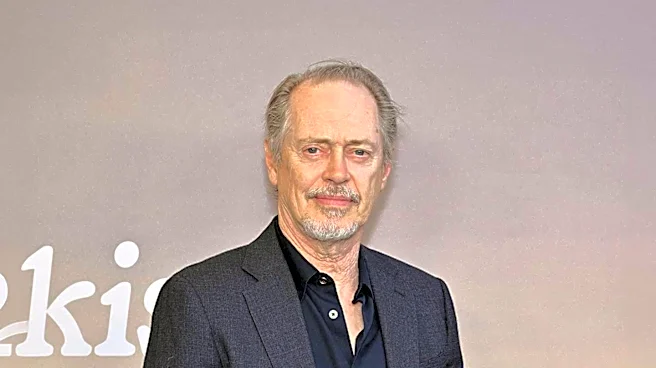
In 2001, actor Steve Buscemi returned to his former profession as a firefighter to assist in the aftermath of the 9/11 tragedy. Buscemi, who had been a firefighter at the age of 18, joined the bucket crew, working through the rubble of the Twin Towers
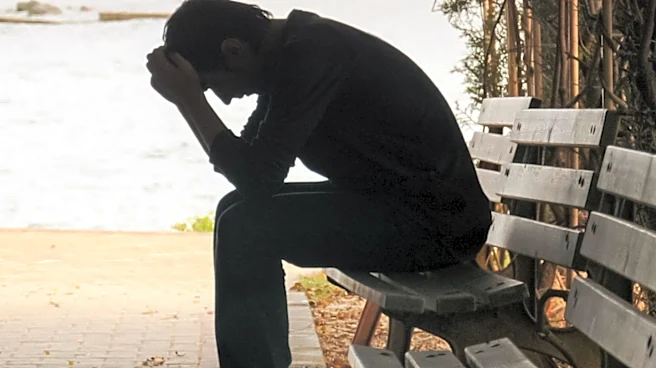
to search for survivors. Following the incident, he became an advocate for first responders, addressing mental health issues and depression experienced by many involved in the rescue efforts. Buscemi has openly shared his own struggles with depression and PTSD stemming from his experiences during 9/11.
Why It's Important?
Steve Buscemi's actions during the 9/11 tragedy highlight the profound impact of such events on individuals, even those in the public eye. His decision to return to active duty as a firefighter underscores a deep sense of civic responsibility and solidarity with emergency services. Furthermore, his subsequent advocacy for first responders' mental health brought crucial attention to the often-overlooked psychological toll of traumatic events. This sheds light on the long-term consequences faced by those who serve on the front lines, emphasizing the need for comprehensive support systems for emergency personnel. His personal disclosure of depression and PTSD helps destigmatize mental health challenges among first responders and the wider public.
What's Next?
While the immediate aftermath of 9/11 is long past, the ongoing conversation around mental health for first responders continues to evolve. Buscemi's past advocacy contributes to a broader movement pushing for better resources and recognition for these individuals. Future efforts will likely focus on strengthening mental health programs, ensuring access to therapy and support groups, and integrating mental health screenings into standard protocols for emergency services. His story serves as a powerful reminder for continued vigilance and support for those who bravely respond to national crises, influencing policy discussions and funding allocations for first responder welfare.
Beyond the Headlines
Steve Buscemi's return to firefighting during 9/11 transcends a simple act of heroism; it speaks to the enduring bonds within professions dedicated to public service and the personal sacrifices made during national crises. His experience underscores the idea that some callings, once answered, leave an indelible mark, capable of resurfacing in moments of extreme need. This event also highlights the often-invisible struggles of mental health, particularly PTSD, among those who witness and participate in large-scale trauma. His public acknowledgment of his own challenges helps to normalize these experiences, fostering a more empathetic societal understanding of the psychological burdens carried by heroes and encouraging open dialogue about mental well-being.