






What's Happening?
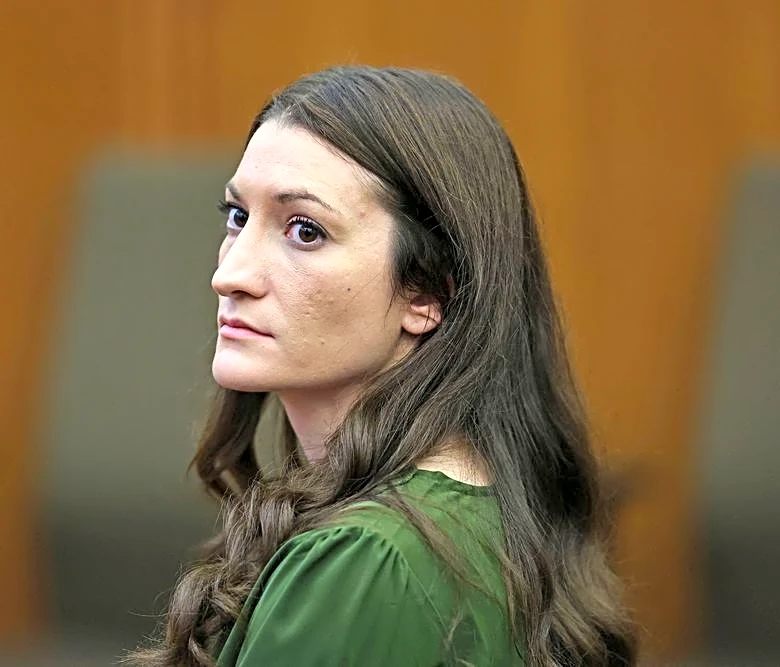
Amanda DeVos, the former Madison County treasurer, has entered a plea agreement, pleading guilty to one count of third-degree fraudulent practice, an aggravated misdemeanor. This development occurred less than 24 hours before her trial was scheduled to begin.
As part of the agreement, prosecutors dismissed several other charges against her, including two counts of felonious misconduct in office (Class D felonies), one count of second-degree fraudulent practice (a Class D felony), one count of tampering with records (an aggravated misdemeanor), and one count of third-degree theft (an aggravated misdemeanor). The charges stemmed from accusations that DeVos falsified documents while in office. Specifically, she allegedly altered records in October 2024 to show she had paid for her vehicle registration plates and, in May of the same year, allegedly falsified documents related to her personal property taxes. Her sentencing hearing is set for Monday, November 2, 2026, at 10:30 a.m. Under Iowa's sentencing guidelines, DeVos could face up to two years in prison and fines ranging from $855 to $8,540.
Why It's Important?
This case is important as it highlights issues of public trust and accountability within local government. The conviction of a county treasurer for fraudulent practice can erode public confidence in financial oversight and the integrity of public officials. For Madison County residents, it underscores the need for robust internal controls and transparency in financial dealings to prevent such abuses. The legal proceedings and subsequent sentencing will serve as a precedent for how similar cases of official misconduct are handled in Iowa. Furthermore, the plea agreement, which saw several felony charges dismissed in exchange for a guilty plea to a lesser charge, could spark discussions about the effectiveness of the justice system in addressing white-collar crime and ensuring appropriate penalties for those who misuse their public positions. The outcome will likely influence future audits and oversight mechanisms for county treasurers across the state, potentially leading to stricter regulations and increased scrutiny to safeguard public funds and records.
What's Next?
Amanda DeVos's sentencing hearing is scheduled for Monday, November 2, 2026, at 10:30 a.m. During this hearing, the court will determine the specific penalties she will face, which could include imprisonment, fines, or both, within the guidelines for an aggravated misdemeanor. The outcome of this sentencing will likely be closely watched by other public officials and the community, as it will set a clear example of the consequences for fraudulent practices in public office. Beyond the immediate sentencing, there may be further discussions or actions regarding the internal financial controls and oversight within Madison County to prevent similar incidents in the future. This could involve new policies, enhanced auditing procedures, or training for county officials on ethical conduct and financial management. The case may also prompt a review of the state's sentencing guidelines for public officials found guilty of similar offenses.
Beyond the Headlines
The conviction of a public official for fraudulent practice extends beyond the immediate legal ramifications, touching upon the broader ethical landscape of public service. Such incidents can foster public cynicism towards government institutions, making citizens less likely to trust their elected and appointed representatives. This erosion of trust can have long-term effects on civic engagement and participation. Moreover, the case may prompt a re-evaluation of the vetting processes for individuals seeking public office, particularly those handling significant financial responsibilities. It also brings to light the psychological and social pressures that might lead individuals in positions of power to engage in illicit activities, and the systemic vulnerabilities that allow such actions to occur. The community's reaction to the sentencing will be indicative of its expectations for integrity in public office and its demand for accountability, potentially influencing future political discourse and reform efforts aimed at strengthening ethical governance.