





What's Happening?
Several communities in Maine, including Auburn, have encountered significant delays in the removal of automated license plate reader (ALPR) cameras operated by Flock Safety, even after terminating their contracts. In Auburn, the city had to actively pressure
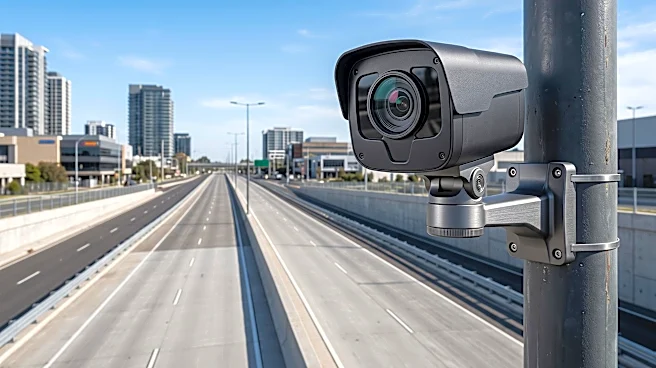
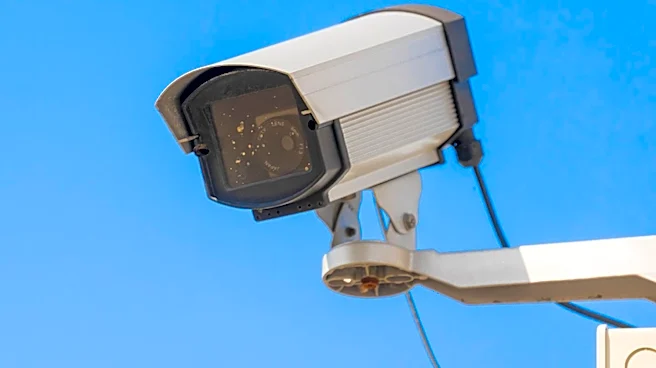
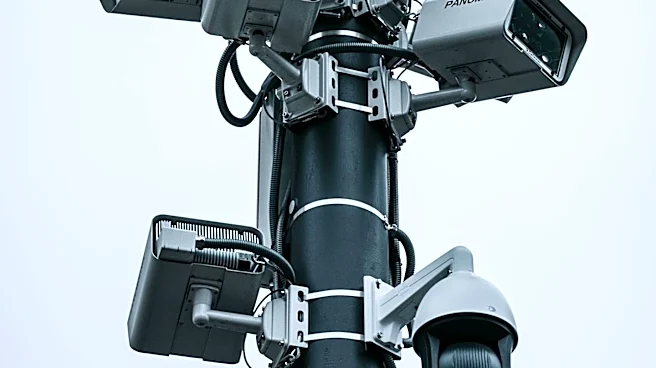
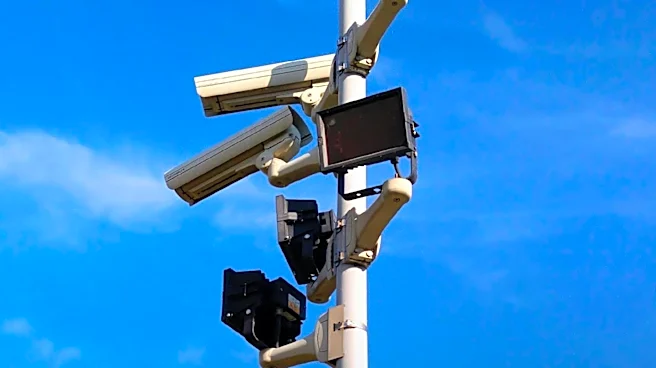
Flock Safety to cancel its contract and subsequently demand the removal of cameras that remained in place for months after the agreement was officially terminated in mid-August. Emails obtained by CBS 13 I-Team reveal that Flock Safety initially attempted to renew Auburn's contract due to a missed 30-day notice period, a claim that Auburn Police Chief Jason Mohen strongly pushed back against, citing potential negative press and legislative implications. Eventually, Flock waived the notice, but cameras persisted, leading Auburn's City Manager to issue a formal demand for their removal by mid-October. The last camera was removed only after this demand. Similar delays were reported in Falmouth and York, with York resorting to covering its cameras with plastic bags due to concerns about continued data collection.
Why It's Important?
The prolonged presence of ALPR cameras after contract termination raises significant privacy and civil liberties concerns. Even if local access to data is shut off, the potential for these cameras to continue collecting and transmitting data to Flock Safety's nationwide network remains a critical issue, as highlighted by Michael Kebede of the ACLU of Maine. This situation undermines public trust in technology vendors and local government oversight. For communities, it means that surveillance infrastructure can persist against their will, potentially violating residents' privacy expectations. The delays also expose a loophole in contract agreements, where Flock Safety's standard clause only requires removal within a 'commercially reasonable time period,' a term that lacks clear definition and can be exploited. This issue could fuel further legislative action, as evidenced by Rep. David Boyer's (R-Poland) plan to introduce a bill to restrict ALPR technology use in Maine, and local votes like York's ban and Auburn's upcoming proposal.
What's Next?
Auburn residents are scheduled to vote on a proposal regarding automated license plate reader cameras in March, following York voters' overwhelming approval of a ban on such technology. This local action indicates a growing public demand for greater control over surveillance technologies. On a state level, Representative David Boyer (R-Poland) plans to introduce legislation in January aimed at further restricting the use of ALPR technology in Maine. These legislative efforts, both local and state-wide, could set precedents for how other communities and states manage contracts with surveillance technology providers and address privacy concerns. The ongoing scrutiny from media outlets like the CBS 13 I-Team will likely keep pressure on Flock Safety and other similar companies to ensure timely and transparent removal of equipment once contracts are terminated, potentially leading to revised contract terms that include clearer removal deadlines.
Beyond the Headlines
The recurring issue of ALPR cameras remaining active after contract cancellations points to a broader systemic challenge in regulating private surveillance technology. The lack of clear, enforceable clauses for equipment removal in vendor contracts creates a power imbalance, allowing companies to dictate timelines and potentially continue data collection without explicit consent. This situation highlights the need for more robust legal frameworks and contractual obligations that prioritize community autonomy and privacy rights over vendor convenience. The 'commercially reasonable time period' clause, often found in such contracts, proves to be insufficient in protecting public interest. This could lead to a push for standardized contract language in municipal agreements with technology providers, mandating specific, short deadlines for equipment removal and clear penalties for non-compliance, thereby strengthening local governments' ability to control surveillance infrastructure within their jurisdictions.