







What's Happening?
New preliminary research indicates that artificial intelligence (AI) analysis of data from portable cuff-based blood pressure monitors and wrist-worn devices could predict a hypertensive crisis up to three days before it occurs. This study, to be presented
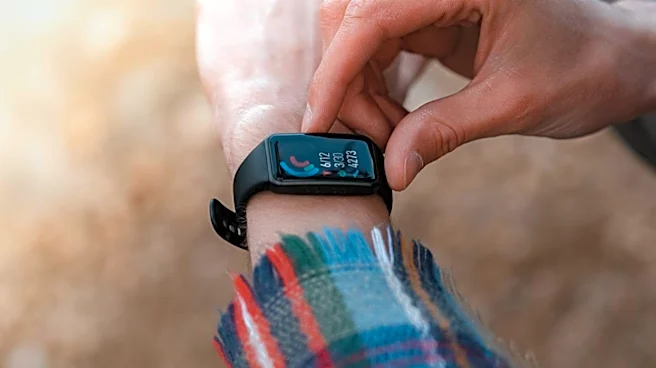
at the American Heart Association’s Scientific Sessions 2026, focused on adults with stage 2 high blood pressure. Researchers evaluated whether AI, combined with continuous monitoring, could identify early warning signs of dangerously high blood pressure episodes, defined as readings greater than 180/120 mm Hg with acute end-organ damage. The AI tool analyzed blood pressure patterns throughout the day and night, as well as cardiovascular signals like heart rate and heart rate variability. An alert was issued if the AI model predicted a risk of hypertensive crisis, prompting physicians to contact patients and adjust medication if necessary. Over a 12-month period, 312 out of 4,190 participants experienced 418 hypertensive crises. The AI tool effectively distinguished patients at higher versus lower risk up to 72 hours in advance. Among those with a positive alert, approximately 32% experienced a hypertensive crisis, while 97.4% of those without an alert remained crisis-free.
Why It's Important?
This research holds significant implications for U.S. healthcare and public health, particularly in managing hypertension, which affects nearly half of U.S. adults and is a leading modifiable risk factor for heart attack, stroke, and heart failure. The ability to predict a hypertensive crisis days in advance could revolutionize preventive care, allowing for timely interventions that may reduce emergency department visits and serious complications. According to Maria Delgado-Lelievre, M.D., a Hypertension Specialist at the University of Miami Leonard M. Miller School of Medicine, this technology offers greater insight into blood pressure patterns between office visits, supporting more personalized care and encouraging earlier discussions about treatment and lifestyle changes. The study found that timely alert-triggered interventions, such as medication adjustments within 24 hours, led to approximately 61% fewer hypertensive crises and 45% fewer emergency department visits. This proactive approach could alleviate the burden on emergency services and improve patient outcomes by preventing severe health events.
What's Next?
Further research is needed to validate these findings across more diverse populations and healthcare settings beyond the single hospital in Sindh, Pakistan, where the study was conducted. The American Heart Association’s 2025 scientific statement on cuffless devices emphasizes the need for more research and standardized testing before such technologies are widely adopted for patient care. While the AI tool shows promise, clinical responses to high-risk alerts, including confirming blood pressure, reviewing symptoms, and adjusting medication, require clear guidelines. The study highlights the potential for digital health technologies to complement clinical decision-making, but not replace it. Future steps will likely involve refining the AI algorithms, conducting larger-scale trials in various demographic groups, and developing protocols for integrating these predictive tools into routine clinical practice to ensure their effectiveness and safety.
Beyond the Headlines
The integration of AI and wearable technology into healthcare raises broader ethical and legal considerations, particularly concerning data privacy and the potential for algorithmic bias. While continuous monitoring offers unprecedented insights into individual health, it also necessitates robust data security measures and transparent policies regarding data usage. The study's finding that participants whose blood pressure did not decrease during sleep or who experienced a significant rise after waking had a higher risk of hypertensive crisis underscores the importance of understanding individual physiological patterns, moving beyond single-point-in-time measurements. This shift towards personalized, predictive medicine could lead to a re-evaluation of current hypertension management guidelines, emphasizing continuous monitoring and dynamic intervention strategies. However, ensuring equitable access to these advanced technologies and addressing potential disparities in their application will be crucial to avoid exacerbating existing health inequalities.