



What's Happening?
Utah's agriculture water optimization program is demonstrating positive results in conserving water, as reported during a budget hearing at the Utah State Legislature's Natural Resources Appropriations Committee. The program, which encourages farmers
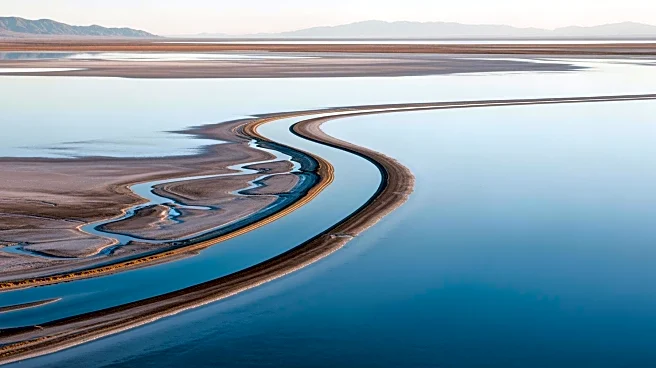
to adopt water-saving technologies, has reportedly saved approximately 100,000 acre-feet of water annually. This initiative is part of a broader effort to address the declining water levels of the Great Salt Lake. Senator Scott Sandall highlighted that the water saved is contributing to the lake's preservation. The state has invested $153 million, combining state and private funds, into 689 projects aimed at optimizing agricultural water use. Despite criticism that state leaders are not doing enough, Utah has passed numerous bills and allocated around $1 billion towards water conservation efforts for the Great Salt Lake and the Colorado River.
Why It's Important?
The success of Utah's agriculture water optimization program is crucial as it addresses the pressing issue of water scarcity affecting the Great Salt Lake. The lake's declining water levels have significant ecological and economic implications, impacting local wildlife and industries reliant on the lake. By saving substantial amounts of water, the program not only aids in preserving the lake but also sets a precedent for sustainable agricultural practices. This initiative reflects a growing recognition of the need for innovative solutions to environmental challenges, potentially influencing policy and conservation strategies in other regions facing similar issues.
What's Next?
Continued implementation and expansion of the agriculture water optimization program are expected as Utah seeks to further mitigate the decline of the Great Salt Lake. Monitoring and evaluation of the funded projects will be crucial to ensure their effectiveness and to make necessary adjustments. The state may also explore additional legislative measures and funding opportunities to enhance water conservation efforts. Stakeholders, including environmental groups and policymakers, will likely continue to advocate for comprehensive strategies to address the broader water management challenges in the region.