





What's Happening?
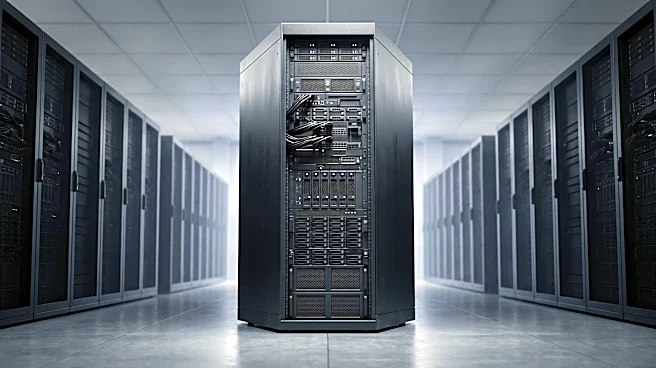
Indiana 2nd District Congressman Rudy Yakym, a Republican, announced his intention to seek answers in Washington regarding recent widespread technology outages. These disruptions have impacted major institutions and transportation systems, including Microsoft,
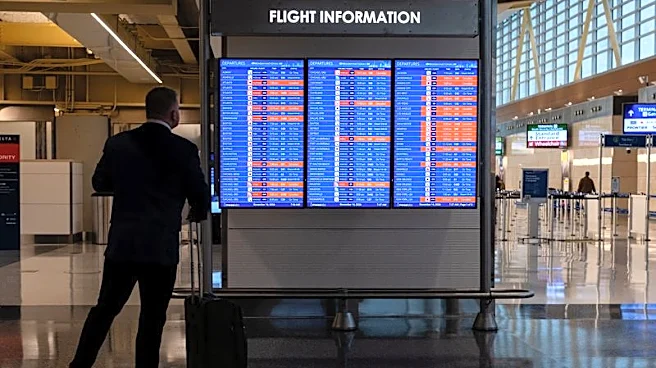
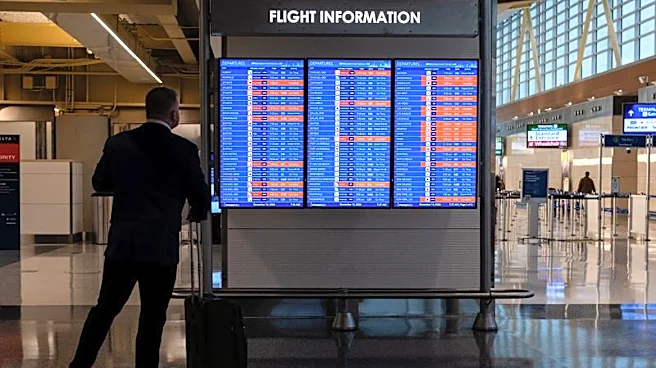
the Federal Aviation Administration (FAA) telecommunications networks, United Airlines, and JPMorgan Chase. The outages have led to significant inconveniences such as flight delays and a nationwide ground stop. While the possibility of a larger cybersecurity threat is being assessed, experts, including Cynthia Kaiser, former deputy assistant director with the FBI cyber division, suggest that the incidents are more likely tied to technical problems. Kaiser noted that companies are actively working to strengthen their security systems, and these efforts, while necessary, can sometimes lead to outages. The FAA has specifically attributed its recent ground stop to outdated technology, highlighting a broader issue within critical infrastructure.
Why It's Important?
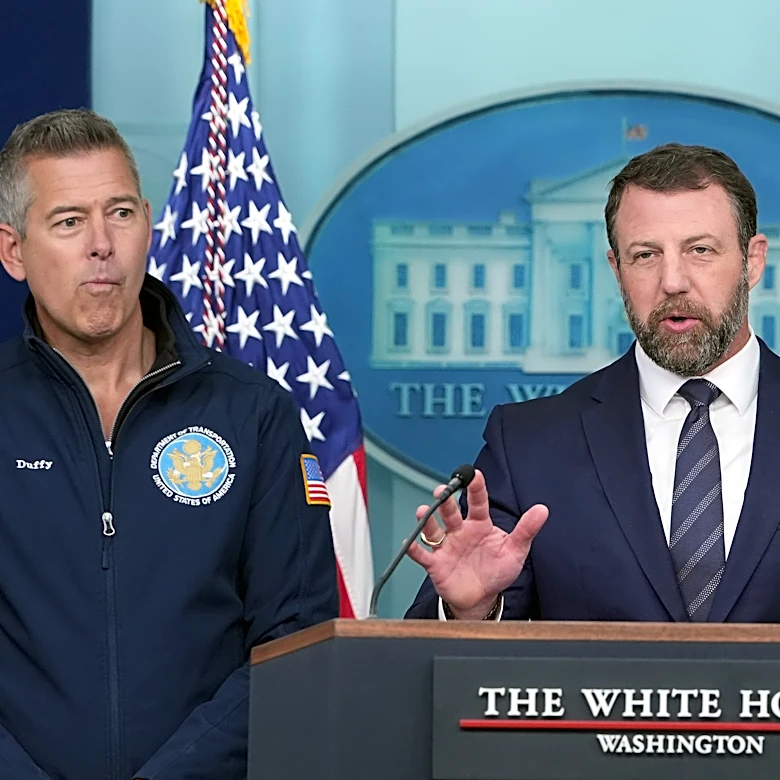
The recent wave of technology outages underscores significant vulnerabilities within the systems that millions of Americans rely on daily. These disruptions, affecting critical sectors like air travel, finance, and communication, highlight the potential for widespread economic and social impact. For instance, flight delays and ground stops directly affect business travelers, vacationers, and individuals attempting to reach loved ones, leading to lost productivity and personal distress. The call for answers from Congressman Yakym reflects a growing concern among policymakers about the reliability and security of national infrastructure. The statement from Transportation Secretary Sean Duffy, requesting $50 billion in emergency funding for infrastructure and technology, further emphasizes the perceived urgency and scale of the problem. The ongoing technical issues, even if not direct cyberattacks, reveal a systemic fragility that could be exploited by malicious actors or simply lead to continued operational failures, impacting public trust and economic stability.
What's Next?
Congressman Rudy Yakym plans to address these concerns in Washington, seeking explanations for the disruptions and their impact on constituents. This initiative suggests a potential for congressional inquiry into the causes and preventative measures for such outages. Transportation Secretary Sean Duffy's request for $50 billion in emergency funding for infrastructure and technology concerns will likely be a key point of discussion in Congress. If approved, this funding could lead to significant investments in upgrading outdated systems across various sectors, potentially mitigating future disruptions. Experts anticipate that companies will continue to prioritize strengthening their security systems, which may involve further updates and changes that could, in the short term, lead to additional technical issues. The ongoing assessment of whether these outages are purely technical or indicative of broader cybersecurity threats will also shape future policy and investment decisions.
Beyond the Headlines
The recurring technology outages, even if not classified as cyberattacks, expose a deeper societal reliance on complex, interconnected digital systems that are prone to failure. This situation raises ethical questions about the responsibility of corporations and government agencies to maintain robust and resilient infrastructure in an increasingly digital world. The emphasis on technical problems rather than cyberattacks suggests that the immediate challenge might be one of maintenance, modernization, and investment rather than solely defense against external threats. However, the vulnerabilities highlighted by these technical issues could serve as an invitation for future cyberattacks, making the distinction increasingly blurred. The long-term implication is a potential shift in public and private sector investment priorities, moving towards proactive infrastructure upgrades and resilience planning, rather than merely reactive responses to incidents. This could also lead to increased regulatory scrutiny on critical infrastructure providers to ensure minimum standards of operational reliability and security.