




What's Happening?
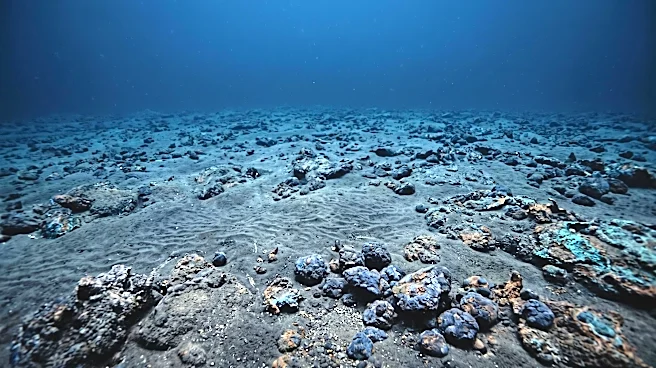
A new study published in the journal Scientific Reports has revealed that polymetallic nodules, potato-sized rocks found miles below the Pacific Ocean, are not just part of a delicate ecosystem but are ecosystems themselves. These nodules, rich in metals
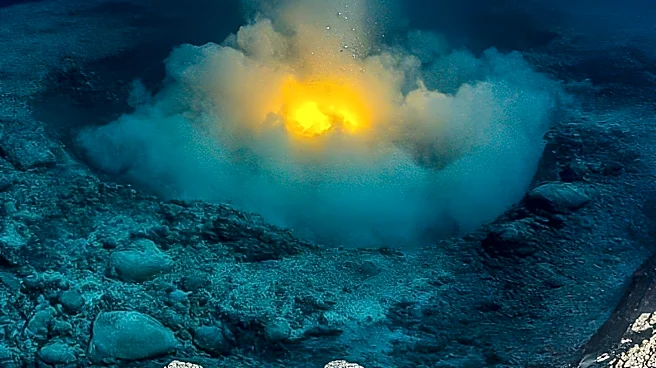
vital for emerging technologies like manganese, cobalt, copper, zinc, and iron, are located primarily in the Clarion–Clipperton Zone, approximately 4,000 to 6,000 meters deep. The study analyzed 244 nodules, finding over 4,000 individual animals on their surfaces, with some nodules hosting as many as 245 lifeforms, including single-celled species, nematodes, and small crustaceans. The porous internal structure of these nodules provides unique shelters and habitats for these creatures, many of which are distinct from those found in the surrounding sediment and some appear to live nowhere else. This discovery intensifies the ongoing deep-sea mining controversy, as commercial extraction of these nodules could lead to an irreversible loss of unique biodiversity.
Why It's Important?
This research significantly alters the understanding of deep-sea ecosystems and has profound implications for the burgeoning deep-sea mining industry. The finding that polymetallic nodules are self-contained ecosystems, harboring unique and potentially endemic species, elevates the environmental stakes of their extraction. Previously, concerns focused on the broader impact of mining on the seafloor; now, the nodules themselves are identified as critical habitats. For U.S. industries reliant on these metals, such as electronics and renewable energy, the study presents a dilemma: balancing the demand for critical minerals with the imperative of biodiversity conservation. The potential loss of undescribed species and entire ecosystems that have evolved over millions of years could have unforeseen consequences for marine biodiversity and ecosystem function. This study will likely fuel calls for stricter environmental regulations and moratoriums on deep-sea mining until the full ecological impact is understood and mitigated.
What's Next?
The findings of this study are expected to intensify the debate surrounding deep-sea mining and influence policy decisions by international bodies and national governments. Environmental organizations will likely leverage this research to advocate for stronger protections for deep-sea environments and potentially push for a moratorium on mining activities in areas like the Clarion–Clipperton Zone. Mining companies, on the other hand, may face increased pressure to demonstrate that their extraction methods can be conducted without irreversible damage to these newly identified ecosystems. Further scientific expeditions are anticipated to continue studying these nodules, including ongoing research into the possibility of 'dark oxygen' production, which could add another layer of ecological significance. The scientific community will likely focus on identifying and cataloging the unique species found on and within these nodules to better understand what stands to be lost if mining proceeds.
Beyond the Headlines
The revelation that polymetallic nodules are intricate ecosystems highlights a broader ethical challenge: humanity's impact on unexplored and ancient environments. This situation forces a re-evaluation of the concept of 'wasteland' in deep-sea environments, demonstrating that even seemingly barren landscapes can harbor complex life. The potential destruction of ecosystems that have taken millions of years to form, before they are even fully understood, raises fundamental questions about our responsibility to preserve biodiversity, especially in areas beyond national jurisdiction. This could trigger a shift in how international law and environmental policy approach resource extraction in the deep sea, moving towards a more precautionary principle. Furthermore, it underscores the urgent need for comprehensive baseline studies of deep-sea biodiversity before any large-scale industrial activities commence, ensuring that decisions are made with a full understanding of the ecological costs.