




What's Happening?
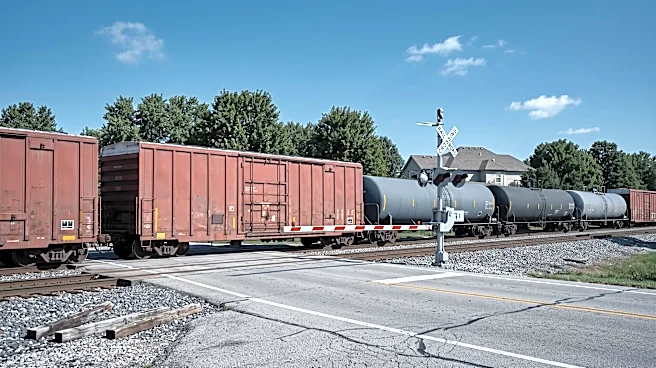
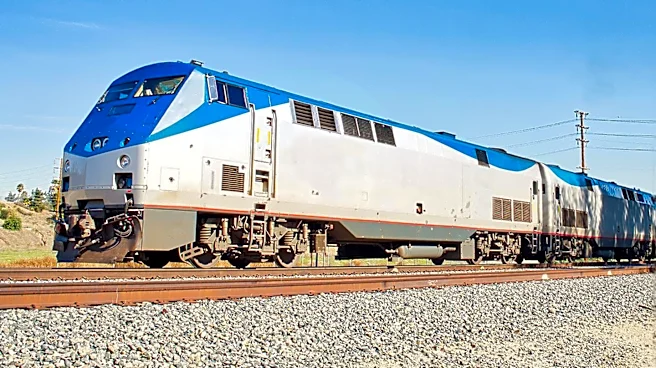
U.S. Rep. Debbie Dingell has sent a letter to CSX Corporation demanding answers regarding a prolonged train blockage that occurred in Canton Township, Michigan. The train blocked the Joy Road railroad crossing for over 36 hours, starting on Tuesday morning
and clearing on Thursday evening at approximately 6:21 p.m. ET. This incident caused significant traffic disruptions and raised serious public safety concerns, particularly regarding emergency vehicle access. Canton Township Supervisor Anne Marie Graham-Hudak stated that local officials have limited authority over railroad operations, which fall under federal jurisdiction, necessitating intervention from federal representatives. Rep. Dingell's letter to the president of CSX Corporation described the situation as a critical public safety issue and requested information on the cause of the blockage, the steps taken to resolve it, and the timeline for reopening the crossing. A similar incident involving the same train occurred in Livonia, where a crossing was blocked for nearly 48 hours due to a reported mechanical failure.
Why It's Important?
The prolonged train blockage highlights a critical issue concerning public safety and infrastructure management in U.S. communities. When railroad crossings are blocked for extended periods, it can impede emergency services, such as ambulances and fire trucks, from reaching their destinations, potentially leading to life-threatening delays. This incident also caused significant inconvenience for residents and businesses, disrupting daily commutes and local commerce. The fact that local authorities have limited jurisdiction over federally regulated railroads underscores a systemic challenge in addressing such issues promptly and effectively. Rep. Dingell's intervention emphasizes the need for accountability from railroad companies and better coordination between federal and local entities to prevent future occurrences. The economic impact includes lost productivity due to traffic delays and potential financial strain on businesses affected by reduced accessibility. This event brings to light the broader implications of railroad operations on community well-being and the necessity for robust regulatory oversight.
What's Next?
Following Rep. Dingell's demand for answers, CSX Corporation is expected to provide a detailed explanation of the incident, including the root cause of the prolonged blockage and the measures being implemented to prevent recurrence. Canton Township officials, despite the crossing being cleared, are also seeking answers to ensure such an event does not happen again. This situation may prompt further discussions at federal and local levels regarding railroad regulations, emergency response protocols, and the need for improved communication between railroad companies and affected communities. There could be legislative efforts to grant local authorities more power in managing prolonged blockages or to impose stricter penalties on railroad companies for such disruptions. The incident may also lead to a review of existing federal guidelines for railroad operations to enhance public safety and minimize community impact, potentially influencing policy changes to address the jurisdictional limitations faced by local governments.
Beyond the Headlines
The incident in Canton Township reveals a deeper tension between the operational autonomy of federally regulated industries and the immediate needs of local communities. While railroads are vital for national commerce and transportation, their operations can inadvertently create significant local challenges, particularly in densely populated areas. This situation brings to the forefront questions about corporate responsibility, the adequacy of current regulatory frameworks, and the balance of power between federal and local governance. The reliance on federal lawmakers to address local infrastructure issues highlights a potential gap in the system, where communities are left vulnerable to disruptions without direct recourse. This event could serve as a catalyst for broader conversations about modernizing railroad infrastructure, implementing advanced technologies to prevent mechanical failures, and establishing clearer protocols for managing emergencies that impact public access and safety. It also underscores the importance of proactive engagement from elected officials in advocating for their constituents' well-being against the backdrop of large-scale industrial operations.