




What's Happening?
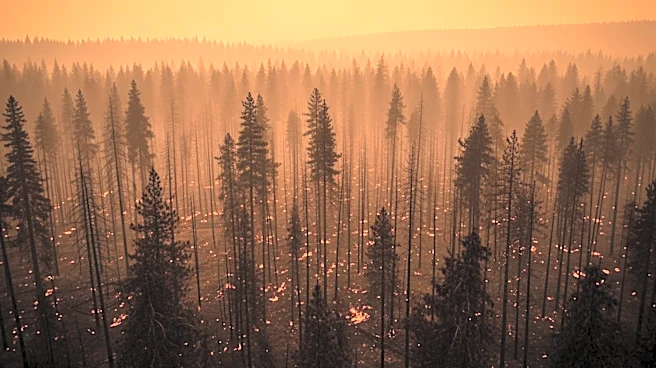
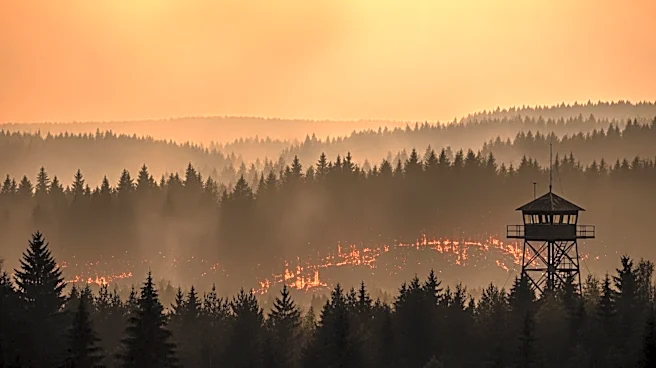
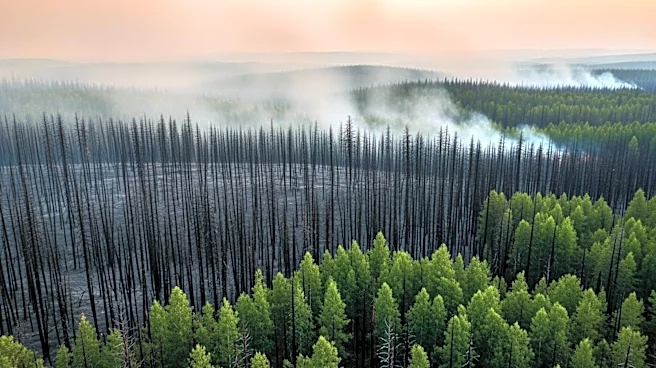
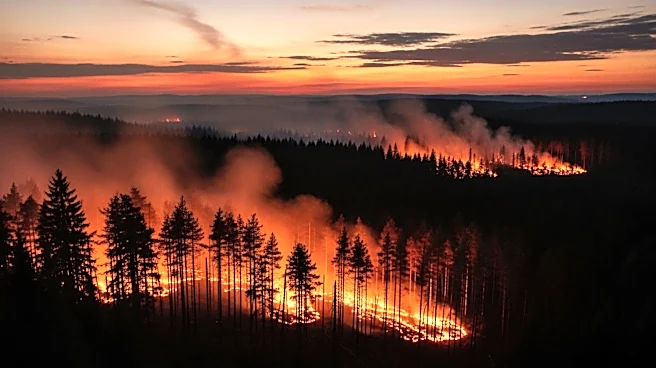
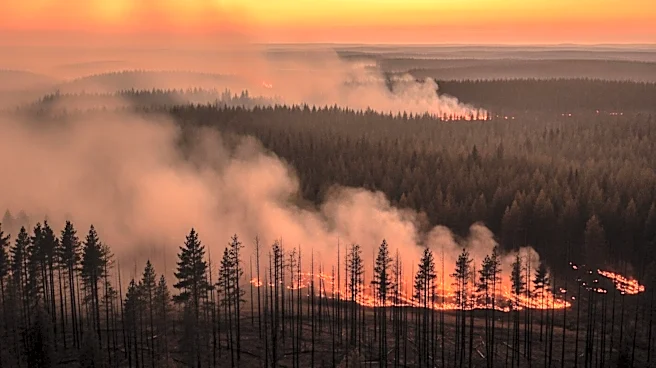
Two major wildfires in southeastern Georgia are posing significant threats to homes and lives as strong winds risk spreading the flames further. The Highway 82 Fire, which began when a foil balloon hit power lines, has already destroyed at least 87 homes,
marking it as the most destructive wildfire in Georgia's history. The fire's perimeter spans over 14.8 square miles and is only 10% contained. A second fire in Clinch and Echols counties, near the Florida state line, has burned more than 46.9 square miles and destroyed at least 35 homes. This fire was ignited by sparks from a welding operation and is similarly only 10% contained. The wildfires are part of a larger outbreak across Georgia and Florida, with over 150 fires burning due to extreme drought, gusty winds, climate change, and debris from Hurricane Helene.
Why It's Important?
The ongoing wildfires in Georgia highlight the increasing vulnerability of regions to natural disasters exacerbated by climate change. The destruction of over 120 homes underscores the immediate threat to human life and property, prompting evacuations and emergency responses. The fires also pose significant environmental and economic challenges, as they contribute to air quality issues and strain local resources. The situation reflects broader concerns about the impact of climate change on weather patterns and the frequency of extreme events, necessitating improved disaster preparedness and mitigation strategies.
What's Next?
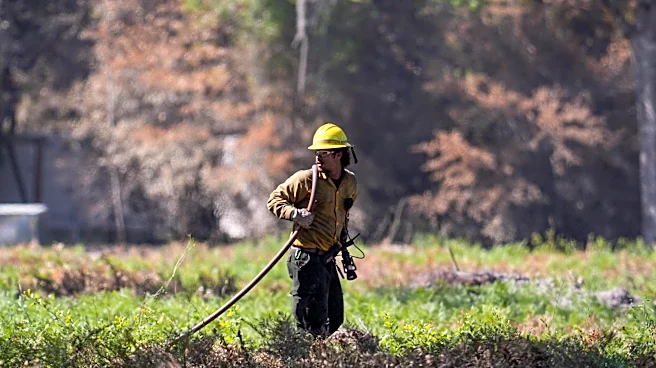
Efforts to contain the wildfires are ongoing, with firefighters working tirelessly to prevent further spread. The situation remains dynamic, with officials urging residents to evacuate if necessary. The fires' progression will depend on weather conditions, particularly wind patterns, which could either aid or hinder containment efforts. Authorities are likely to continue monitoring the situation closely, deploying additional resources as needed. The aftermath will require significant recovery efforts, including rebuilding homes and infrastructure, as well as addressing the environmental damage caused by the fires.