





What's Happening?
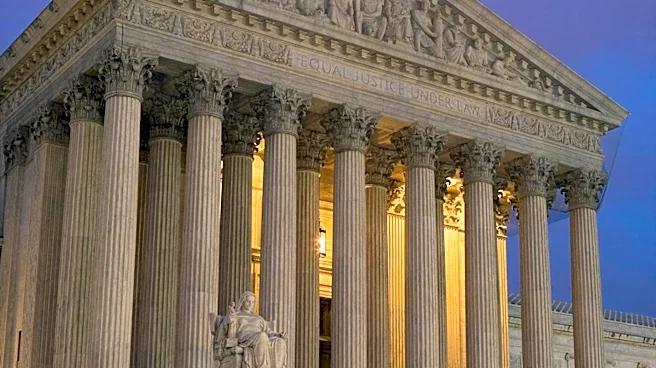
The Supreme Court is currently reviewing the constitutionality of bans on semiautomatic weapons, specifically those enacted by Connecticut and Cook County, Illinois, which prohibit the possession of semiautomatic rifles, including AR-15s. This deliberation
is a critical juncture for gun rights in the United States, as the Court's decision could establish a significant precedent. The case centers on defining which categories of weapons are protected under the Second Amendment, potentially impacting existing and future restrictions on various firearms. These include not only semiautomatic rifles but also other types of weapons such as machine guns, .50-caliber rifles, knives, and large-capacity magazines. The outcome will clarify the scope of governmental authority to regulate firearms versus individual rights to bear arms, as interpreted by the nation's highest court. The Court's examination of these specific bans will likely lead to a broader ruling that influences gun control legislation nationwide, affecting how states and local jurisdictions can regulate firearm ownership and possession.
Why It's Important?
This Supreme Court case holds immense importance for both gun rights advocates and proponents of stricter gun control measures across the U.S. A ruling upholding the semiautomatic weapons bans could empower states and localities to enact similar restrictions, potentially leading to a patchwork of diverse gun laws nationwide and significantly altering the types of firearms available to civilians. Conversely, if the Court strikes down these bans, it would severely limit the ability of governments to regulate certain categories of firearms, potentially invalidating existing laws and making it more challenging to implement new ones. This decision will directly impact public safety debates, the firearms industry, and the daily lives of gun owners. It will also shape the legal landscape for future challenges to gun legislation, influencing how lower courts interpret the Second Amendment. The outcome could either reinforce the trend towards more restrictive gun laws in some areas or solidify protections for gun ownership, creating a ripple effect on legislative efforts and advocacy strategies for years to come.
What's Next?
The Supreme Court's decision is anticipated to define the boundaries of Second Amendment rights regarding modern firearms. Following the ruling, states and local governments will likely review their current gun control laws to ensure compliance with the Court's interpretation. Gun rights organizations and gun control advocacy groups will undoubtedly analyze the decision to inform their future legal and legislative strategies. Depending on the outcome, there could be a surge in legal challenges to existing gun laws or renewed legislative efforts to either strengthen or loosen firearm restrictions. The firearms industry will also closely monitor the decision, as it could affect the manufacturing, sale, and distribution of certain types of weapons. The ruling will set a precedent that will guide lower courts in adjudicating future gun-related cases, potentially leading to a period of legal adjustments and public discourse on the balance between individual rights and public safety.
Beyond the Headlines
Beyond the immediate legal implications, this Supreme Court decision delves into the fundamental interpretation of the Second Amendment in the context of contemporary weaponry. It raises profound questions about the balance between individual liberties and collective security, a debate that has long been central to American society. The ruling could influence not only gun ownership but also broader discussions on civil liberties, the role of the judiciary in shaping public policy, and the evolving nature of constitutional rights. It may also highlight the deep ideological divisions within the country regarding gun control, potentially intensifying political polarization. The Court's stance on semiautomatic weapons could set a precedent for how other potentially dangerous items are regulated, impacting areas far beyond firearms. This case is a reflection of ongoing societal tensions and will contribute to the long-term narrative of American jurisprudence and its impact on the nation's social fabric.