





What's Happening?
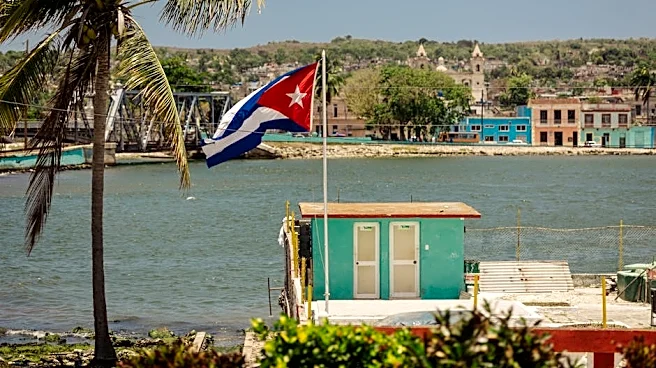
A 6.1-magnitude earthquake struck in the Gulf of Mexico on Monday, approximately 65 miles northwest of Mantua, Cuba, according to the United States Geological Survey (U.S.G.S.). The tremor, which occurred at 2 p.m. Eastern, was felt as far away as South
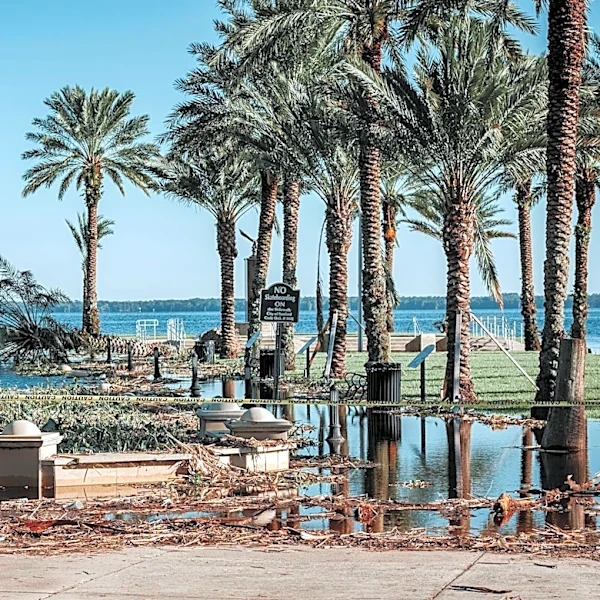
Florida and Cancun, Mexico. In Miami, emergency services received calls from several areas, but no significant injuries or damage were reported. Miami's Metrorail briefly halted operations, and some buildings were evacuated as a precaution. Jochen Braunmiller, an assistant professor at the University of South Florida, noted that such earthquakes are rare in the region due to its location within a tectonic plate, unlike California where earthquakes are more common.
Why It's Important?
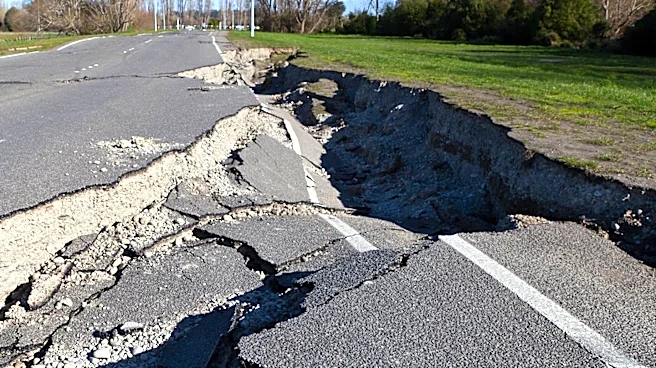
The earthquake highlights the potential for seismic activity in regions not typically associated with frequent earthquakes, such as the Gulf of Mexico. This event serves as a reminder for emergency preparedness in areas like South Florida, which are more accustomed to hurricanes than earthquakes. The lack of significant damage or injuries underscores the importance of building codes and emergency response systems in mitigating the impact of natural disasters. Additionally, the event may prompt further research into the seismic activity of the region, potentially influencing future building regulations and insurance policies.
What's Next?
Seismologists will continue to analyze data from the earthquake, which may lead to revisions in its reported magnitude and updates to the shake-severity map. The U.S.G.S. and other agencies will likely monitor the region for aftershocks and assess any long-term implications for seismic activity in the Gulf of Mexico. Local governments and emergency services in affected areas may review their response protocols to ensure readiness for future events. Public awareness campaigns could be initiated to educate residents on earthquake preparedness, particularly in regions where such events are uncommon.