






What's Happening?
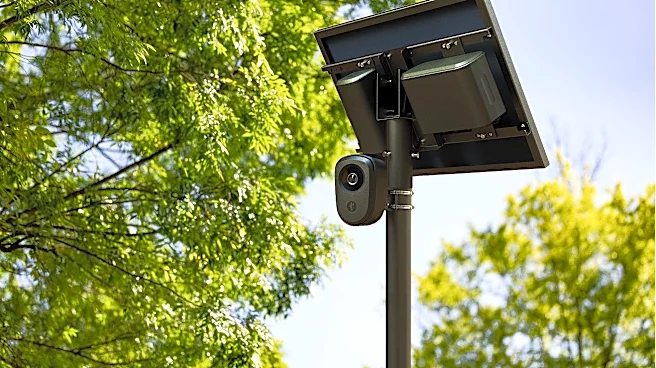
A Menasha police officer, Cristian Morales, 32, has been sentenced to six months in jail and three years of probation for misusing a Flock camera system. Morales pleaded no contest to the charge of Misconduct/Office-Act/Excess Authority, a Class I Felony.
The investigation by the Appleton Police Department revealed that Morales used the camera system to track a vehicle for non-police purposes, specifically making seven searches between October 7 and October 14, with five for the victim’s cars and two for his brother’s car. Morales admitted to using the system while off-duty, citing 'desperation, and bad judgment, combined with a lack of sleep,' and acknowledged his actions were wrong. Judge Mark Schroeder emphasized Morales's breach of oath, stating, 'You’re an oath breaker. That’s what you are.' Morales has since resigned from the Menasha Police Department.
Why It's Important?
This case is significant as it highlights the critical issue of accountability and the potential for abuse of surveillance technology by law enforcement officers. The misuse of the Flock camera system by a police officer for personal reasons undermines public trust in law enforcement and raises concerns about privacy and civil liberties. Flock camera systems, designed to enhance public safety by tracking vehicles, are powerful tools, and their improper use can have serious implications for individuals' rights. The sentencing of Morales sends a clear message that such abuses of authority will not be tolerated, reinforcing the importance of strict oversight and ethical conduct within police departments. It also underscores the need for robust policies and training regarding the appropriate use of advanced surveillance technologies to prevent similar incidents in the future.
What's Next?
Cristian Morales will immediately begin serving his six-month jail sentence, followed by three years of probation. During his probation, any violation could result in further incarceration. This case may prompt police departments, particularly those utilizing Flock camera systems or similar surveillance technologies, to review and strengthen their internal policies and training protocols. There could be increased scrutiny on how these systems are accessed, monitored, and audited to prevent unauthorized use. Additionally, the incident might fuel public discussions and advocacy efforts regarding privacy rights and the ethical deployment of surveillance tools by law enforcement, potentially leading to calls for greater transparency and independent oversight of such technologies. The focus will be on ensuring that officers understand and adhere to the boundaries of their authority when using these powerful tools.
Beyond the Headlines
This incident delves into the deeper implications of technological advancements in policing and the inherent tension between security and privacy. The Flock camera system, while effective in crime prevention and investigation, also represents a significant expansion of surveillance capabilities. Morales's misuse of the system for personal tracking exposes a vulnerability in how these technologies are managed and the potential for individual officers to exploit them. This case raises ethical questions about the extent of data collection, who has access to it, and the safeguards in place to prevent abuse. It underscores the importance of not only legal frameworks but also a strong ethical culture within law enforcement to ensure that powerful tools are used responsibly and in accordance with the public trust. The long-term impact could be a re-evaluation of how police departments balance technological efficiency with the protection of civil liberties.