



What's Happening?
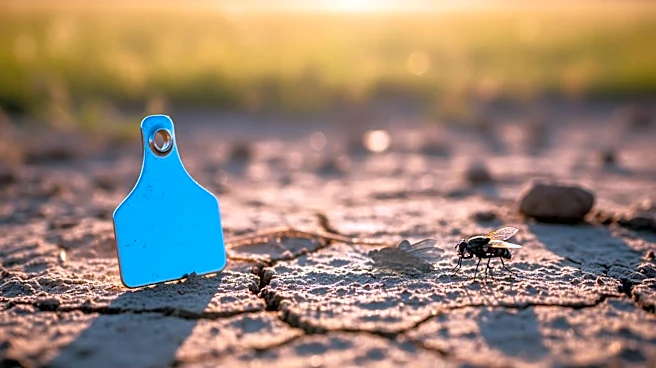
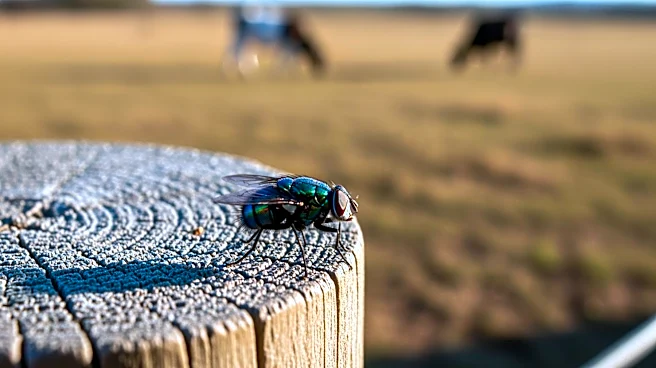
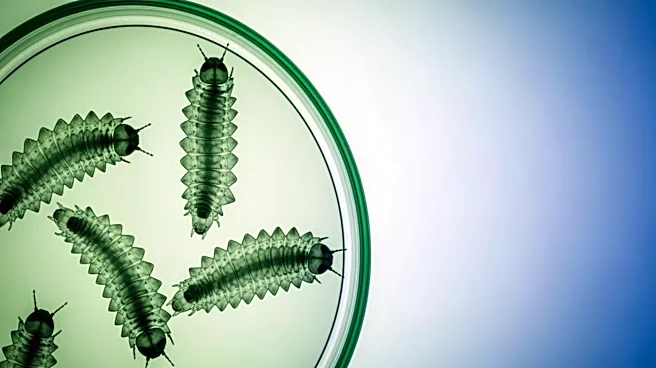
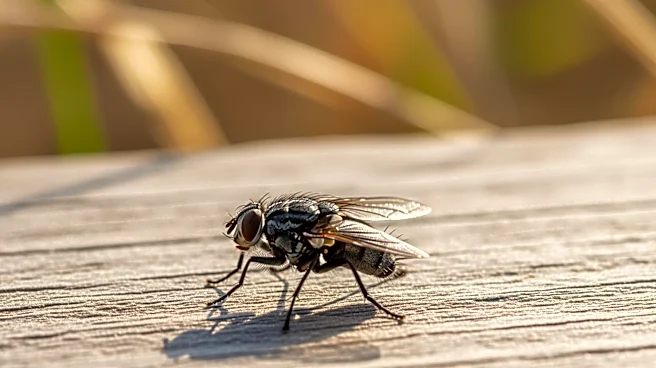
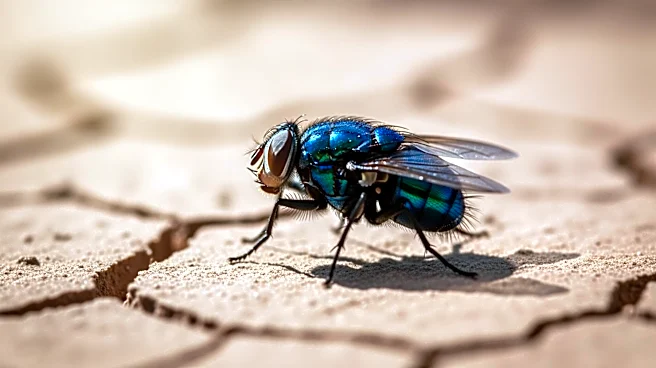
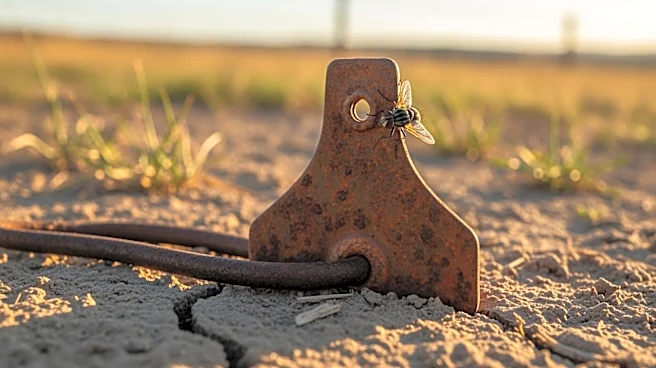
The U.S. Department of Agriculture has confirmed the presence of the New World screwworm fly in south Texas, marking the first detection in decades. The parasite, known for its flesh-eating larvae, was found in a 3-week-old calf in LaPryor, Texas, near
the Mexico border. Texas State Veterinarian Bud Dinges has established a 12-mile quarantine zone to prevent the spread of the parasite, prohibiting the movement of warm-blooded animals without inspection. Agriculture Secretary Brooke Rollins emphasized the threat to the cattle industry, recalling past economic losses before the fly was eradicated in the 1970s. The USDA has initiated efforts to combat the fly, including releasing sterile flies to prevent reproduction and constructing facilities for breeding sterile screwworm flies.
Why It's Important?
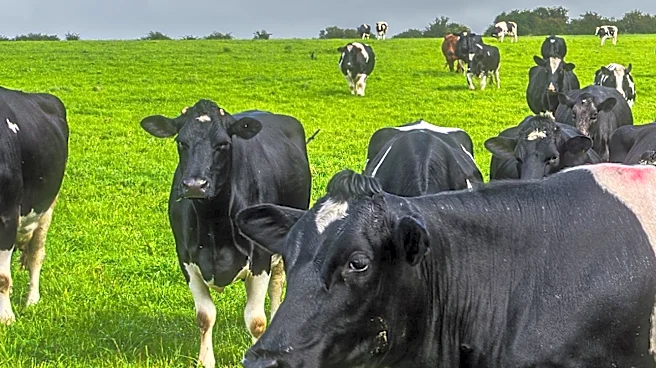
The detection of the screwworm fly poses a significant threat to the U.S. cattle industry, which could face substantial economic losses if the parasite spreads. The fly's larvae can infest livestock, leading to severe health issues and potentially death if untreated. The USDA's response, including quarantine measures and sterile fly releases, aims to prevent a widespread outbreak. The situation highlights the importance of biosecurity measures in protecting the agricultural sector from invasive species. The potential impact on beef prices and cattle supply could have broader economic implications, affecting consumers and the agricultural market.
What's Next?
The USDA plans to continue its efforts to contain the screwworm fly, including the release of sterile flies and monitoring the quarantine zone. Agriculture Secretary Rollins has assured ranchers of the USDA's commitment to preventing the establishment of the pest in the U.S. The construction of facilities for breeding sterile flies is underway, with operations expected to begin soon. The USDA will also maintain surveillance along the U.S.-Mexico border to detect any further cases. The agency's proactive measures aim to prevent a repeat of past outbreaks and protect the cattle industry from significant losses.