




What's Happening?
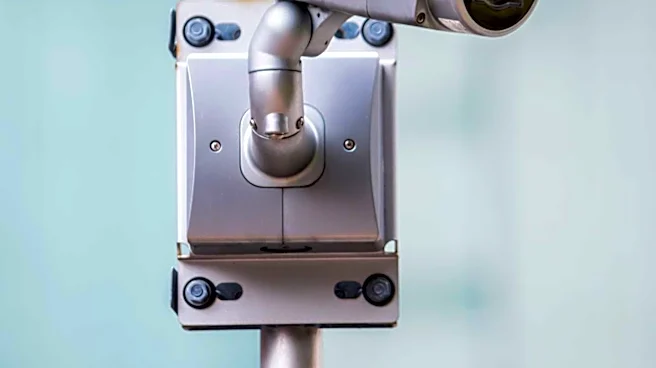
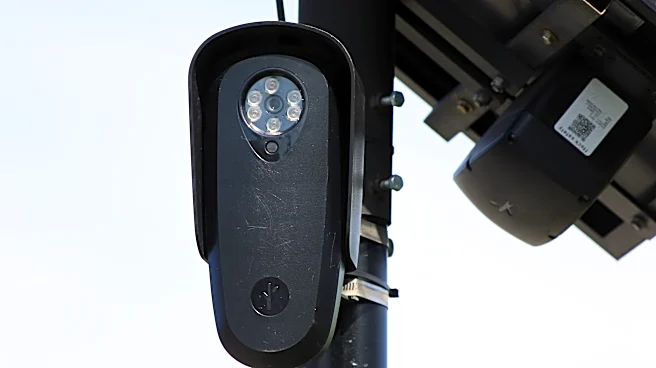
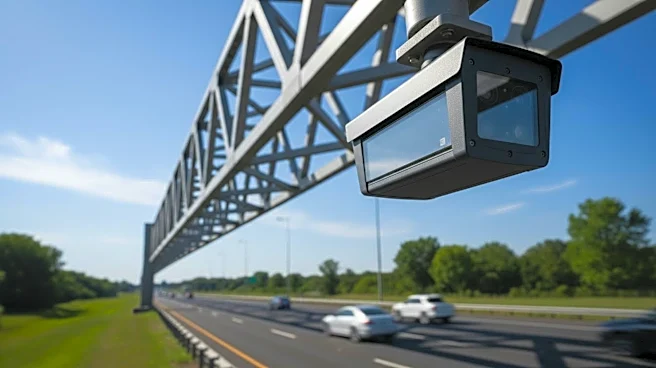
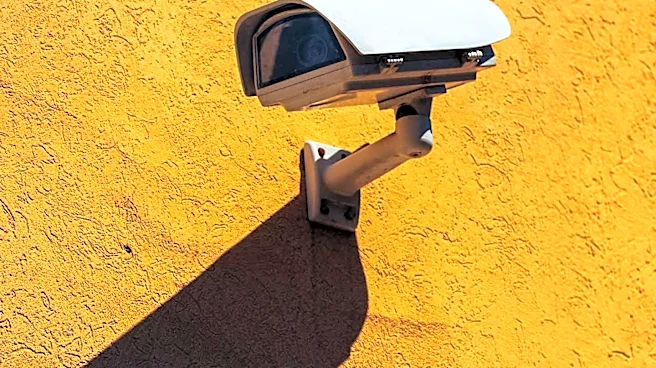
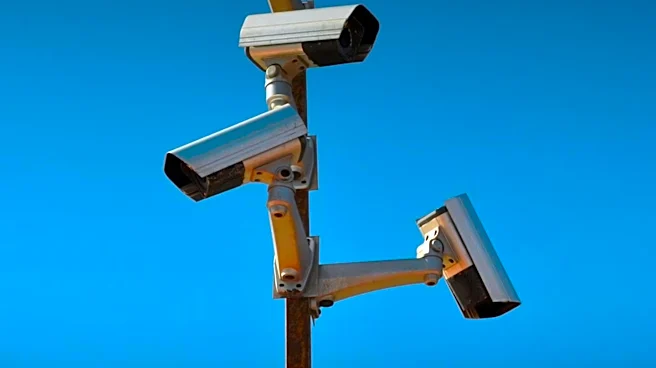
Calhan Police Chief Anthony Tribuzio announced via social media that the Flock camera system has been permanently removed from the town of Calhan and will not be reinstated. Furthermore, the police department confirmed that no other brand of automated
license plate reader will replace the Flock camera. This decision by the Calhan Police Department follows a similar move by the Salida Police Department, which recently terminated its contract with Flock Safety and ceased using their automated license plate readers. The announcement signifies a definitive end to the use of this specific surveillance technology in Calhan.
Why It's Important?
The decision by the Calhan Police Chief to remove the Flock camera system and commit to not replacing it with similar technology is significant for several reasons. It reflects a growing national conversation around privacy concerns and the use of surveillance technology by law enforcement. Automated license plate readers (ALPRs) like Flock cameras have been lauded by some for their crime-fighting potential, but criticized by civil liberties advocates for their ability to collect vast amounts of data on innocent citizens, raising questions about data retention, potential for misuse, and the erosion of privacy. Calhan's move, following Salida's, indicates a potential trend among smaller municipalities to reconsider or reject these systems, possibly due to community feedback, cost-benefit analyses, or evolving interpretations of privacy rights. This action could influence other towns and cities to evaluate their own use of ALPR technology, contributing to a broader shift in how local law enforcement balances public safety with individual privacy in the digital age.
What's Next?
The permanent removal of the Flock camera from Calhan means that the town's law enforcement will no longer utilize automated license plate recognition technology for surveillance. This decision may lead to increased public discussion within Calhan and surrounding communities about the role of technology in policing and the balance between security and privacy. Other municipalities currently using or considering ALPR systems might review Calhan's decision and the reasons behind it, potentially influencing their own policies. Civil liberties organizations may view this as a victory and use it as a precedent in advocating for similar removals elsewhere. Conversely, law enforcement agencies that rely on such technology might express concerns about potential impacts on crime prevention and investigation capabilities. The long-term effects on crime rates in Calhan without the camera system will likely be a point of interest for local residents and policymakers.
Beyond the Headlines
This development touches upon the deeper societal debate regarding the 'surveillance state' and the appropriate boundaries for government monitoring in a democratic society. The rejection of ALPR technology by Calhan and Salida highlights a local-level pushback against pervasive data collection, even when framed as a public safety measure. It raises fundamental questions about who owns the data collected by these systems, how long it is stored, and who has access to it. The decision could also be seen as a reassertion of community values over technological solutions, prioritizing privacy and civil liberties. This trend, if it continues, could force technology providers like Flock Safety to adapt their offerings or face increasing resistance from local governments. Ultimately, Calhan's action contributes to the ongoing national dialogue about the future of policing, privacy in public spaces, and the ethical implications of advanced surveillance tools.