


What's Happening?
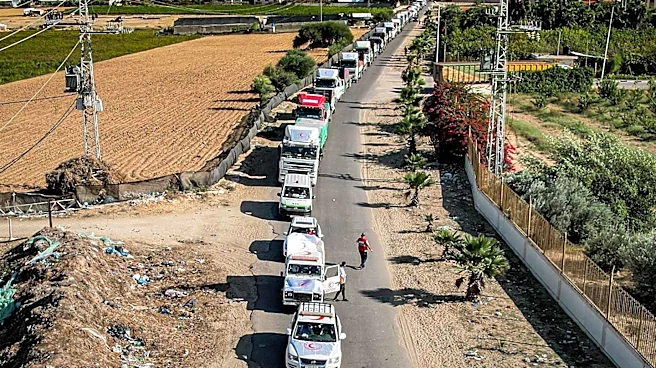
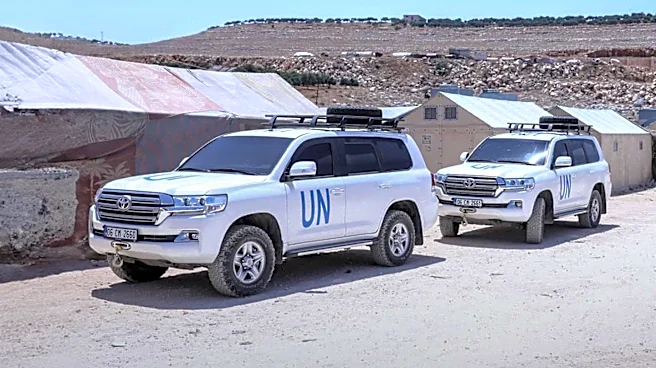
The United Nations has stated that Israeli restrictions on aid entry into the Gaza Strip are significantly impeding relief efforts for flood victims, exacerbating an already severe humanitarian crisis. Farhan Haq, Deputy Spokesperson for the UN Secretary-General,
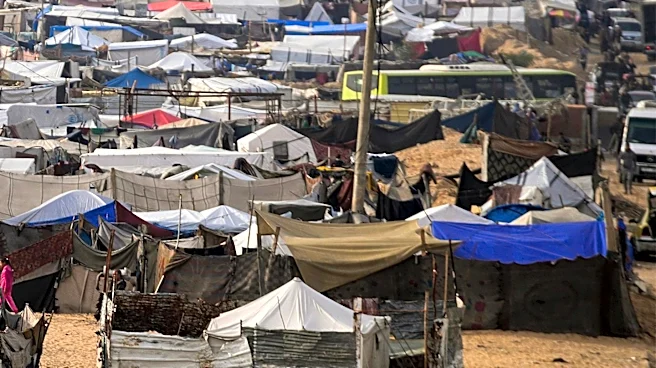
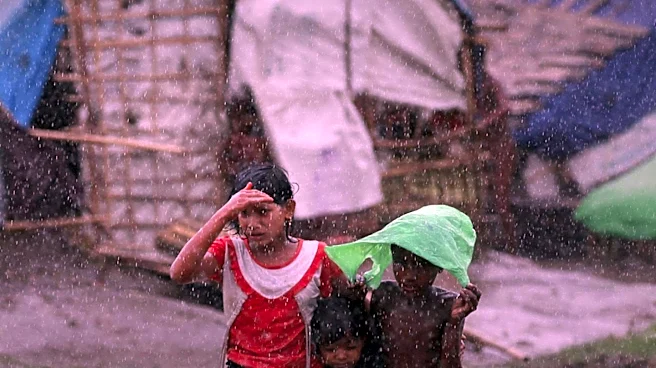
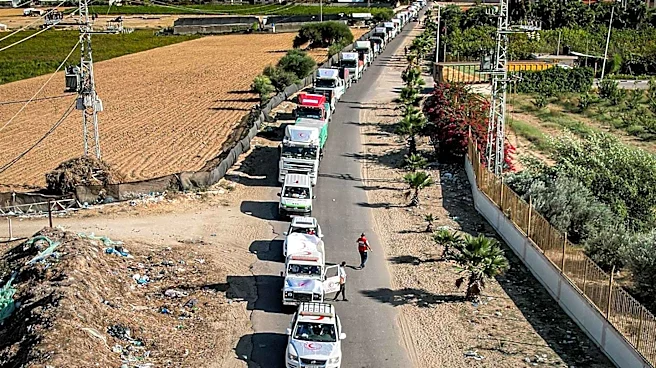
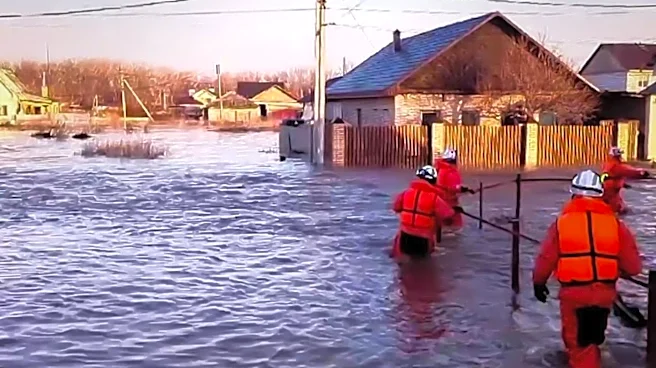
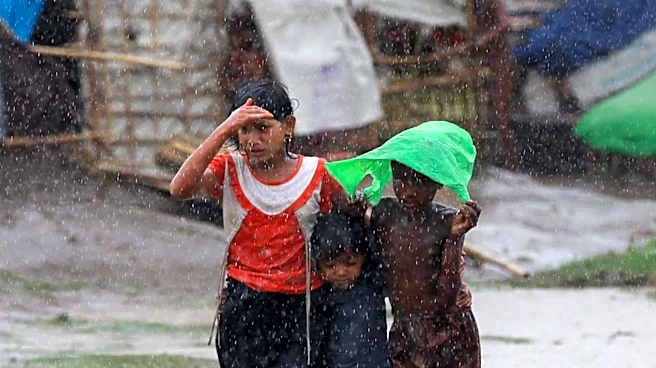
announced in New York that these restrictions force humanitarian workers to operate with "wholly inadequate" equipment and shelter supplies. The first heavy rains of the year in Gaza have triggered widespread flooding, compounded by weak infrastructure. This has resulted in casualties, including an infant who drowned and at least three children and one woman killed when a sand dune collapsed onto tents housing displaced people. Ramez Al-Akberov, Deputy UN Special Coordinator for the Middle East Peace Process, has called for the removal of all unnecessary restrictions on essential supplies such as water drainage pumps, heavy machinery, tents, tarpaulins, blankets, and winter clothing. Haq reiterated the call for civilian protection under international humanitarian law, emphasizing that more aid could enter Gaza if permitted by Israeli authorities.
Why It's Important?
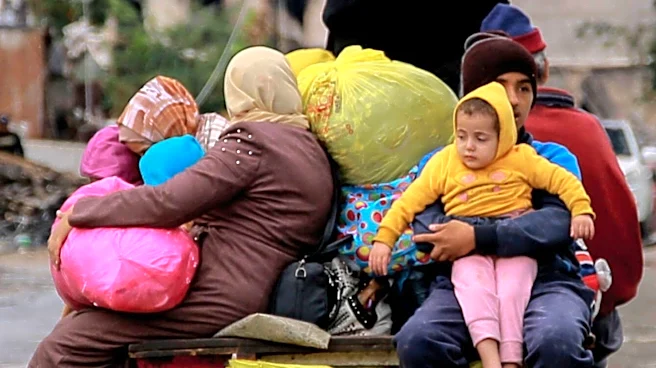
The reported Israeli restrictions on humanitarian aid into Gaza are critically important as they directly contribute to the worsening humanitarian crisis, particularly for a population already displaced and vulnerable. The inability to bring in essential supplies like drainage equipment, proper shelters, and winter clothing means that flood impacts are magnified, leading to increased casualties, disease, and suffering. This situation challenges international humanitarian law, which mandates the protection of civilians and unimpeded access for humanitarian aid during conflicts. The UN's statements highlight a significant gap between the urgent needs on the ground and the capacity of aid organizations to respond effectively, raising questions about accountability and the international community's role in ensuring humanitarian access. The long-term implications include a further deterioration of public health, increased displacement, and prolonged instability in the region.
What's Next?
The UN's call for the removal of restrictions on aid entry into Gaza is expected to intensify diplomatic pressure on Israel. International organizations and human rights groups will likely continue to advocate for unimpeded humanitarian access and the protection of civilians. The ongoing Israeli attacks on residential areas, as noted by Haq, further complicate relief operations and will likely remain a point of international concern. The situation demands immediate attention to prevent further loss of life and to mitigate the health risks associated with flooding and inadequate shelter as winter progresses. The international community will need to assess the effectiveness of current diplomatic efforts and potentially explore new avenues to ensure that essential humanitarian supplies reach those in need in Gaza.
Beyond the Headlines
The humanitarian crisis in Gaza, exacerbated by flooding and aid restrictions, reveals deeper ethical and legal dilemmas surrounding armed conflicts and civilian protection. The UN's statements underscore the tension between national security concerns and humanitarian imperatives. The reported casualties, particularly among children, highlight the disproportionate impact of conflict and environmental disasters on the most vulnerable populations. This situation also brings into focus the long-term consequences of damaged infrastructure and repeated displacement, which create a cycle of vulnerability that is difficult to break. The international community's response, or lack thereof, to these challenges will set precedents for how humanitarian crises are managed in other conflict zones, raising fundamental questions about the efficacy of international law and the responsibility to protect civilians.