
What's Happening?
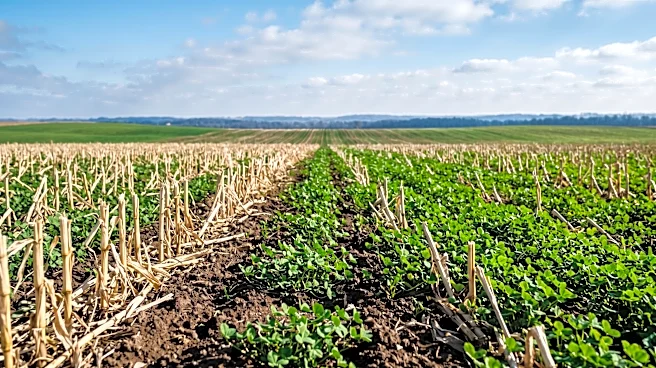
The American Farm Bureau Federation (AFBF) has reported an increase in enrollment in conservation programs. This development highlights a growing trend among U.S. farmers to adopt conservation farming
practices. The AFBF's Market Intel, featuring insights from associate economist Cameron Castillo and economic intern Cydney Stables, indicates a sustained interest in programs designed to promote environmental stewardship within the agricultural sector. While the specific details of the programs or the exact increase in enrollment numbers are not provided, the report underscores a positive shift towards more sustainable agricultural methods across the country. This trend is part of a broader movement within the farming community to balance productivity with ecological responsibility, often driven by a combination of economic incentives, regulatory requirements, and a desire to preserve natural resources for future generations. The focus on conservation farming suggests a proactive approach by farmers to address environmental concerns while maintaining viable agricultural operations.
Why It's Important?
The increase in conservation program enrollment is important for several reasons. Environmentally, it signifies a greater commitment to practices that can reduce soil erosion, improve water quality, enhance biodiversity, and mitigate the impacts of climate change within the U.S. agricultural landscape. Economically, these programs often provide financial incentives or technical assistance to farmers, which can help offset the costs of implementing new practices and potentially improve long-term farm profitability through better resource management. For the agricultural industry, it demonstrates a responsiveness to consumer demand for sustainably produced food and can bolster the industry's public image. Furthermore, increased participation in these programs can lead to more resilient farming systems, better equipped to handle environmental challenges such as extreme weather events. This trend also reflects a collaborative effort between government agencies, agricultural organizations like the AFBF, and individual farmers to achieve shared environmental and economic goals.
What's Next?
Looking ahead, the continued increase in conservation program enrollment is likely to lead to further development and expansion of these initiatives. Policymakers may respond to the growing interest by allocating more funding or introducing new programs to support sustainable agriculture. Agricultural organizations will likely continue to provide resources and education to farmers on best practices and available programs. Farmers, in turn, may explore more advanced conservation techniques and technologies, potentially leading to innovations in sustainable farming. The success of these programs could also influence agricultural markets, with a potential rise in demand for products certified as sustainably grown. Additionally, there may be increased research into the long-term environmental and economic benefits of these practices, further solidifying their role in the future of U.S. agriculture.
Beyond the Headlines
Beyond the immediate implications, the rise in conservation program enrollment points to a deeper cultural and ethical shift within the U.S. farming community. It suggests a growing recognition of farmers as stewards of the land, with a responsibility extending beyond food production to include environmental protection. This shift could foster greater collaboration between agricultural interests and environmental groups, potentially bridging historical divides. It also highlights the evolving definition of 'success' in agriculture, moving beyond mere yield to encompass ecological health and long-term sustainability. This broader perspective could lead to new educational paradigms in agricultural schools, emphasizing interdisciplinary approaches that integrate ecology, economics, and social science. Ultimately, this trend could contribute to a more holistic and resilient food system, benefiting both the environment and society.