






What's Happening?
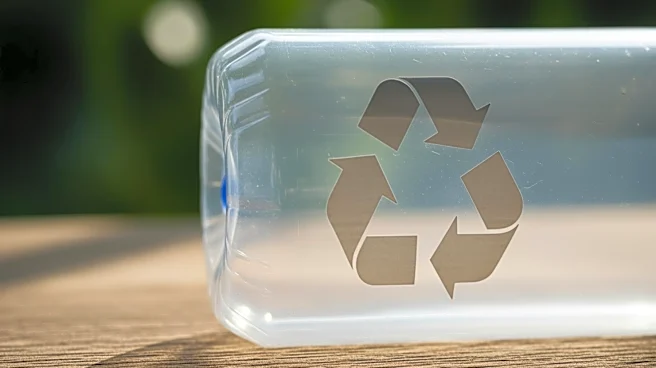
California is set to implement a new law, known as the Truth in Recycling law, which will prohibit the use of the 'chasing arrows' recycling symbol on plastic products that are not commonly recycled. This symbol, created in 1970, has been widely used
on various plastic items, misleading consumers into believing these items are recyclable. The law stipulates that plastics can only carry the symbol if they are collected by curbside programs serving 60% of Californians and sorted by facilities serving 60% of the state's recycling programs. This change is expected to affect more than half of the plastic packaging and products sold in the state, including plastic films, foam, PVC, and mixed plastics. The law is part of a broader effort to shift the responsibility of recycling from consumers to manufacturers.
Why It's Important?
The implementation of this law is significant as it addresses the misleading nature of the recycling symbol, which has contributed to the accumulation of non-recyclable plastics in recycling facilities. By removing the symbol from non-recyclable plastics, the law aims to reduce consumer confusion and encourage more responsible production practices by manufacturers. This move could lead to a reduction in plastic waste, which is a growing environmental concern. The law also highlights a shift in policy where the burden of recycling is increasingly being placed on producers rather than consumers, potentially leading to more sustainable packaging solutions and a decrease in plastic pollution.
What's Next?
The law is scheduled to take effect on October 4, 2026. However, it faces legal challenges from food and packaging groups who argue that the law constitutes censorship and violates First Amendment rights. These groups claim that the law's restrictions are vague and could increase costs for companies as they alter or remove recycling labels to avoid liability. The outcome of these legal challenges could influence the law's implementation and set a precedent for similar legislation in other states. Additionally, the law may prompt manufacturers to innovate and develop more sustainable packaging solutions to comply with the new regulations.
Beyond the Headlines
The broader implications of this law could lead to significant changes in the recycling industry and consumer behavior. By clarifying what is truly recyclable, the law could improve the efficiency of recycling programs and reduce contamination in recycling streams. It also raises questions about the role of corporate responsibility in environmental sustainability and the effectiveness of current recycling systems. The law may encourage other states to adopt similar measures, potentially leading to a nationwide shift in recycling practices and policies.