



What's Happening?
Pomona College is incorporating a hybrid electric application into its new Center for Global Engagement (CGE) building, set to open in 2028. This decision follows an engineering analysis and aims to balance sustainability with practical considerations.
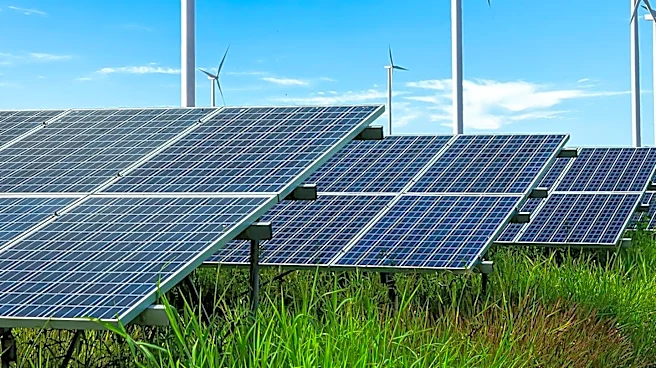
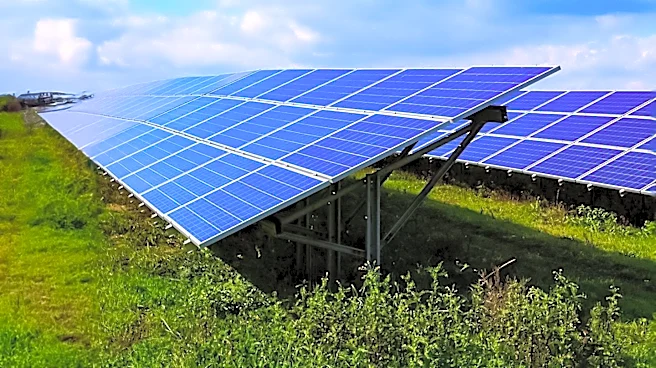
The hybrid system will feature all-electric residence hall kitchens, lounges, and apartments, equipped with electric stoves, water heaters, and electric mini-splits. However, larger central systems within the building will utilize gas-powered technology. This approach was adopted after the college determined that commercial all-electric equipment was not as advanced or reliable as residential options. The CGE building is designed to use 50% less energy than a typical structure of its size and is targeting LEED Gold Certification, a high-level sustainability designation from the U.S. Building Council’s Leadership in Energy and Environmental Design program. Other sustainability features include a 128-kW rooftop solar array, a high-reflectance roof, right-sized heating and cooling systems, and the diversion of 90% of construction waste from landfills.
Why It's Important?
This initiative by Pomona College is important as it demonstrates a pragmatic approach to electrification and sustainability in large-scale building projects within the U.S. higher education sector. By opting for a hybrid system, the college acknowledges the current limitations of commercial all-electric technology while still committing to reducing its reliance on natural gas and fossil fuels. This decision could influence other institutions and commercial developers facing similar challenges, encouraging them to explore hybrid solutions as a viable step towards full electrification. The project's goal of achieving LEED Gold Certification and significantly reducing energy consumption sets a benchmark for sustainable building practices. Furthermore, the college's plan to study and replicate these new technologies across campus indicates a long-term commitment to integrating sustainable infrastructure, potentially leading to broader adoption of such systems and contributing to national energy efficiency goals.
What's Next?
The CGE building is scheduled to open in 2028. Following its opening, Pomona College plans to monitor the performance of the hybrid electric system and use the insights gained to inform future electrification projects across its campus. The college's HVAC team will gain experience with these new technologies, which will be crucial for their broader implementation. The success of this hybrid model could serve as a case study for other educational institutions and commercial entities considering similar transitions away from natural gas. Additionally, the college aims to increase its on-campus solar electricity usage to 10% by 2030, with the CGE building's solar array contributing significantly to this goal. The ongoing development and refinement of commercial all-electric equipment will also be a factor, potentially leading to a full transition in future projects if the technology advances sufficiently.
Beyond the Headlines
The adoption of a hybrid electric system by Pomona College highlights a broader challenge in the U.S. transition to a fully electrified and sustainable infrastructure: the gap between residential and commercial-grade green technologies. While residential electric solutions are becoming more prevalent and reliable, commercial applications often lag, presenting a hurdle for larger institutions and businesses aiming for complete decarbonization. This situation underscores the need for increased investment and innovation in commercial-scale electric heating, cooling, and cooking systems. The college's decision to use a hybrid model, while practical, also reflects a compromise that many organizations may need to make in the interim. This could lead to a prolonged period of mixed energy sources in commercial buildings, impacting the pace of national emissions reductions. The experience of institutions like Pomona College will be vital in informing policy, research, and development efforts aimed at overcoming these technological limitations and accelerating the shift towards fully sustainable commercial infrastructure.