




What's Happening?
A severe heat wave combined with adverse weather conditions has resulted in widespread power outages across the United States, affecting nearly 1 million homes and businesses. As of July 4, the tracking website PowerOutage.us reported approximately 795,000
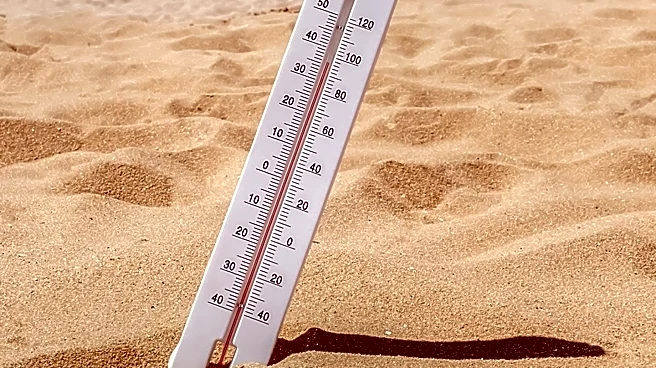
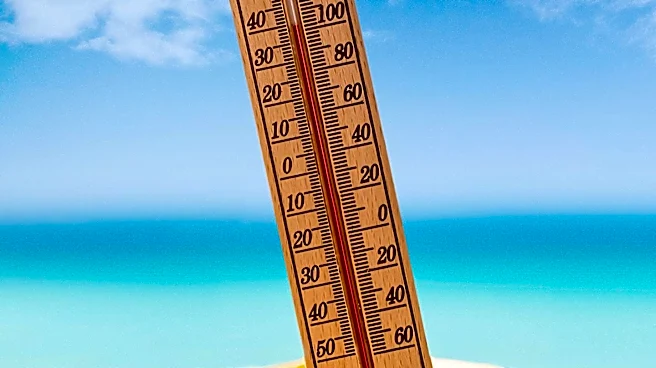
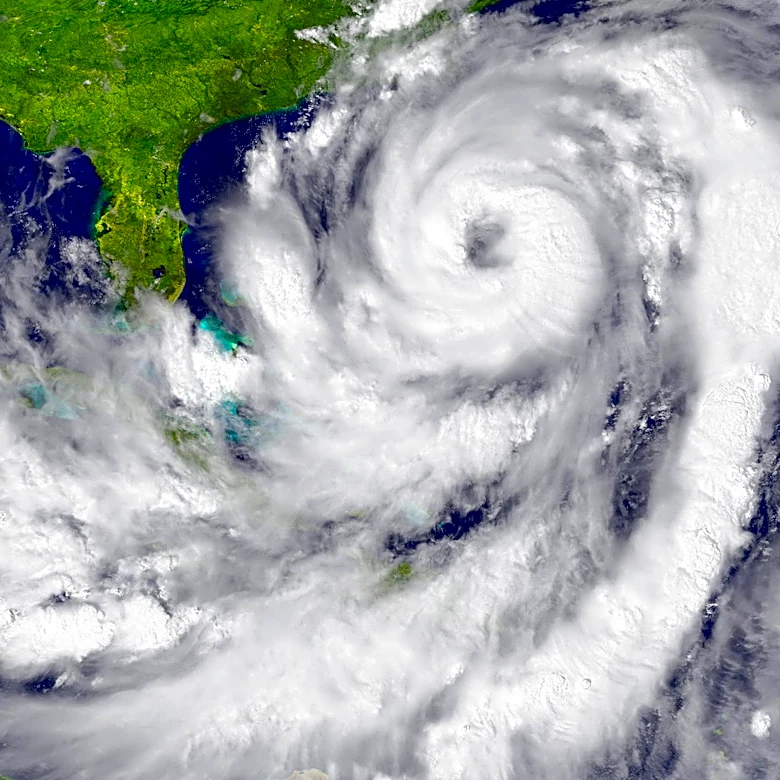
customers without electricity, with the highest concentrations in the Midwest and Northeast. Earlier in the day, the number of affected customers had surpassed 950,000. The outages have disrupted Independence Day celebrations, as many Americans face potentially life-threatening conditions without air conditioning or refrigeration. The National Weather Service issued warnings for large portions of the East Coast, Mid-Atlantic, and Midwest, with heat index values expected to exceed 100 degrees Fahrenheit, reaching up to 115 degrees in some areas.
Why It's Important?
The power outages and extreme heat pose significant risks to public safety and infrastructure. Without electricity, millions are left vulnerable to heat-related illnesses, particularly the elderly and those with pre-existing health conditions. The strain on power grids and infrastructure is immense, with utility companies like Con Edison in New York City taking measures such as reducing voltage to prevent overloads. The situation has also led to the cancellation or alteration of major July 4 events in at least nine states and the District of Columbia, highlighting the broader impact on community activities and emergency services. The ongoing heat wave and weather conditions underscore the challenges of maintaining infrastructure resilience in the face of extreme weather events.
What's Next?
Forecasters warn that the combination of severe weather and extreme heat could persist through the holiday weekend, potentially leading to further disruptions. Emergency management officials are advising residents in affected areas to limit outdoor exposure, check on vulnerable neighbors, and utilize local cooling centers. Utility companies continue to work on restoring power, but new storms could trigger additional outages. The situation calls for increased preparedness and response strategies to mitigate the impact of such extreme weather events in the future.